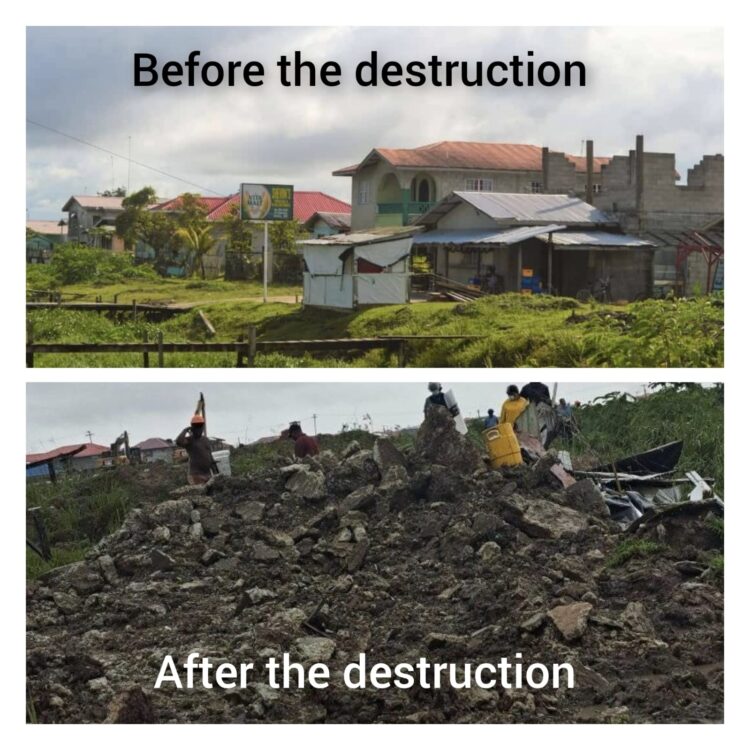
At dawn on January 5, 2023, Cane View, Mocha Arcadia awoke not to progress, but to punishment.
Bulldozers rolled in under police escort clad in full riot gear. Excavators tore through concrete homes, wooden structures, small businesses, and animal pens as residents pleaded for time to salvage belongings. Those pleas went unanswered. By nightfall, decades of labour and livelihood had been reduced to rubble, mud, and silence.
Livestock worth tens of millions of dollars — cows, pigs, poultry — were lost. Some animals were buried alive when government machinery returned days later, dumping mud and destroying pens. Children watched in terror as their homes vanished. Adults stood helpless, many in tears, as the state dismantled the only economic foundation they had ever known.

The People’s Progressive Party/Civic (PPP/C) government said the demolitions were necessary to facilitate construction of the Eccles to Great Diamond Highway, later re
named the Heroes Highway. But residents and opposition leaders insist the justification was false — and malicious.
Then Opposition Leader Aubrey Norton said the A Partnership for National Unity and Alliance for Change (APNU+AFC )“stands in solidarity with the residents of Cane View, Mocha Arcadia… who are facing the vicious and unacceptable demolition of their homes by agents carrying out the will of the uncaring and vengeful PPP/C regime.”

Norton categorically rejected the government’s claim that the residents were obstructing the road. “The road will pass a significant distance from these properties,” he said. “The real motivation behind these demolitions appears to be racially motivated against the mainly Afro-Guyanese residents… It is also clear that the PPP wants to allocate these lands to their elite, friends, families, and favourites.”
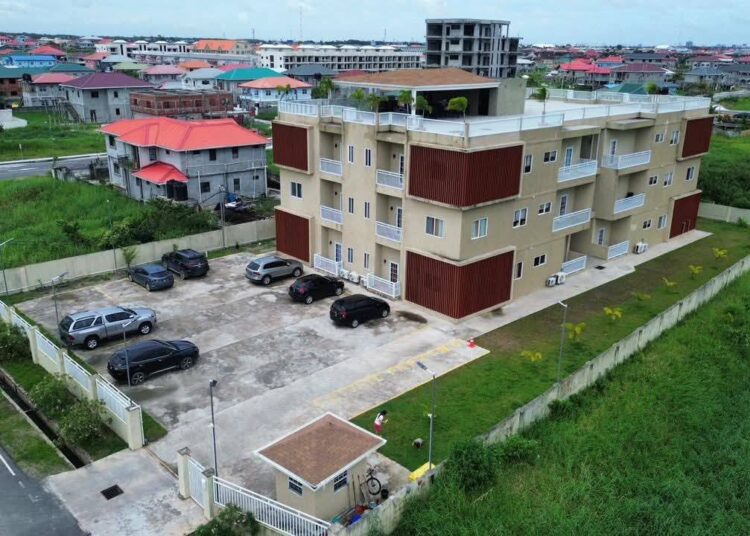
Subsequent developments have only deepened suspicion. Lands closer to the roadway than those demolished have since been reallocated, allegedly to individuals connected to the governing People’s Progressive Party (PPP). Concrete fences now rise where Afro-Guyanese families once lived and farmed — stark proof, critics say, that Cane View was never truly in the road’s path.

Cane View is part of Mocha Arcadia, long regarded as ancestral lands occupied by the children and grandchildren of retired cane cutters. Families have lived there for 15 to 30 years, rearing cattle, farming, and running small businesses. Records show GuySuCo paid the Mocha Arcadia local authority for the use of the lands, reinforcing residents’ claims that these were not state lands occupied illegally.
Residents also recount that when President Irfaan Ali was Minister of Housing and Water, he personally visited the area, allocated lot numbers, and instructed residents to orient their homes toward the road. They complied, saving money to pay for the lands. Ministry of Housing plans even placed Cane View within Mocha Arcadia.
That position abruptly changed in September 2021. The government scrapped its regularisation plan, citing dust and noise from construction. Draft agreements were circulated, then withdrawn. Offers shifted. Engagement stalled. A January 9, 2022, letter requesting dialogue with President Ali went unanswered.

When demolition came, it was sudden and brutal.
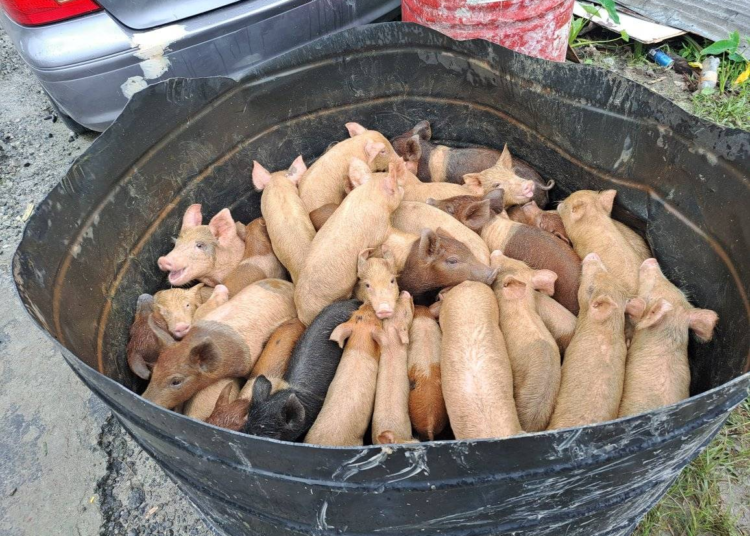
Seven families bore the worst losses. Joyann Ellis lost cows, fruit trees, and her sewing livelihood. Junior Ellis lost about 30 head of cattle and crops. Candacy Williams saw the home left by her late mother destroyed, leaving five siblings displaced. Mark Gordon was forced to sell 17 large pigs and piglets at giveaway prices to avoid total loss. Shevon Eastman’s wholesale outlet was crushed. Teon Liefide’s bar and swimming pool business was demolished mid-negotiation. Farmer Mark Hyman’s home was broken while his livestock remained trapped until pens were destroyed.
Opposition figures who witnessed the demolitions described scenes of anguish. Then Shadow Legal Affairs Minister Roysdale Forde SC said the actions were “more about humiliation and subjugation,” likening them to apartheid-era forced removals later ruled unconstitutional. He cited international human rights principles and Article 154 of Guyana’s Constitution, stressing that even squatters have rights to dignity and humane treatment.
Only after the destruction did government ministries appear — Education to assess traumatised children, Agriculture to list crops and livestock. To residents, it felt like an afterthought, not assistance. As the APNU+AFC stated, “Here is clear evidence that ‘one Guyana’ is for one set of people.”
Legal challenges followed. Attorneys Vivian Williams, Lyndon Amsterdam, and Dexter Todd warned the government of strong claims and sought mediation. The state did not engage. In September 2023, the remaining residents went to court. Acting Chief Justice Roxane George-Wiltshire ultimately dismissed the claims, ruling the residents had no legal title and ordering costs against them.
The judgment closed the legal case. It did not close the wound.
Today, Cane View is no longer a community — it is a warning.
Where fruit trees once stood and children once played, concrete fences now mark land reserved for the powerful. The highway did not run through their homes, but power did — unapologetically. Development did not negotiate; it arrived in riot gear.

For African Guyanese in Cane View, the message was unmistakable: your labour is acceptable, but your proximity to opportunity is not. Pushed from land they nurtured for decades, stripped of livelihoods, and excluded from meaningful compensation, they were not simply displaced — they were economically disarmed.
And so Cane View endures as more than a development dispute. It stands as a symbol of whose dignity is expendable, whose suffering is tolerated, and whose prosperity is policed. Until those questions are honestly answered, the rubble of Mocha will remain — etched not just into the East Bank of Demerara, but into the moral landscape of Guyana itself.