The Vigilant Political Action Committee (VPAC) has announced plans to launch a Housing Assistance Programme in 2026, aimed at helping Guyanese families better understand and successfully navigate the housing application process.
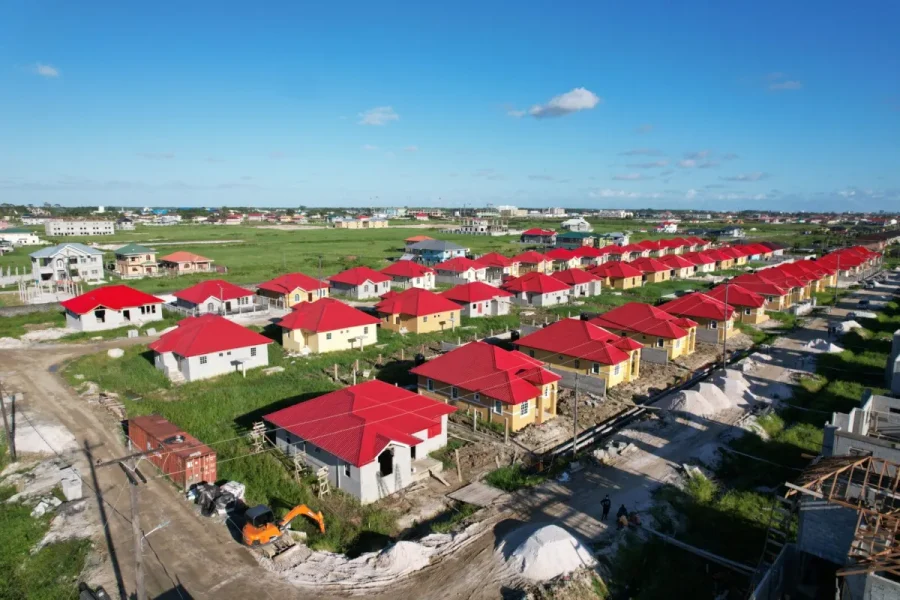
According to VPAC, the initiative comes amid longstanding concerns that despite billions of dollars being allocated to housing over the years, many families remain uncertain about how to access support or whether they will ever benefit. The programme is intended to close that gap by guiding citizens through the application process and ensuring that eligible families can complete applications correctly, access support fairly, and move forward with dignity and security.
VPAC noted that many housing applications stall because of incomplete forms or missing requirements, leaving applicants frustrated and excluded. The organisation said that if applications are being rejected on technical grounds, then citizens deserve clear and practical assistance to help them get the process right. It stressed that no family should lose a genuine opportunity for housing simply because the system is difficult to understand or poorly explained.
 Under the programme, VPAC will provide step-by-step guidance to applicants, helping families understand how the housing system works, determine whether they may qualify, gather required documents, and ensure applications are properly prepared. The initiative will also include support in understanding mortgage pre-approval, what it means, why it matters, and what is required, so that applications can be assessed fairly and on their merits.
VPAC highlighted real-life cases to underscore the need for such support. One involves a soldier currently serving on Guyana’s Venezuelan border, who, after losing his wife, is raising four children while sharing a single room with his mother. As the children grow older, VPAC said the living arrangement has become increasingly unsafe and unsustainable, noting that families making such sacrifices deserve understanding, dignity, and timely support.
Another case cited is that of Quincy, known as “Shortman,” who lived for nearly two years in a small security hut, sleeping on a bench. Born with a disability and with limited access to assistance, his situation only began to improve after attention was drawn to his circumstances. VPAC said his experience demonstrates that when people are guided, noticed, and supported, meaningful change becomes possible.
The organisation emphasised that the Housing Assistance Programme is designed to ensure that access to help does not depend on who someone knows, how loudly they can speak, or how familiar they are with paperwork. It said that once individuals qualify and their applications and mortgage documents are properly prepared, they deserve a fair opportunity to move forward.
VPAC said the programme is rooted in principles of fairness, dignity, and responsibility, giving families the tools they need to help themselves while strengthening trust in the housing process. The organisation added that accessing housing support should be clear, humane, and straightforward, and that no one should have to suffer quietly to access benefits for which they already qualify.