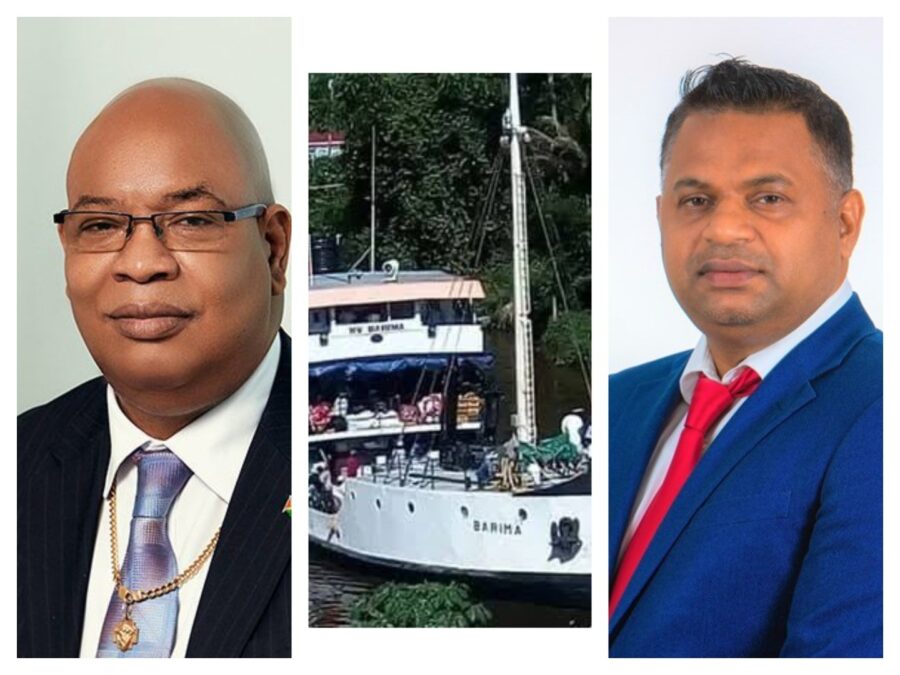
The A Partnership for National Unity (APNU) is demanding that Public Works Minister Juan Edghill and Minister within the Ministry of Public Works Deodat Indar be called before the Commission of Inquiry into the MV Barima disaster to answer questions about ministerial oversight, maritime safety and institutional preparedness ahead of the deadly sinking.
In a statement issued Wednesday, APNU argued that the inquiry must go beyond the ferry’s crew and operational personnel to examine the decisions, policies and oversight of the ministers and government agencies responsible for protecting passengers.
“The ministers responsible must be brought before the inquiry to give evidence and answer questions,” the coaltion said.
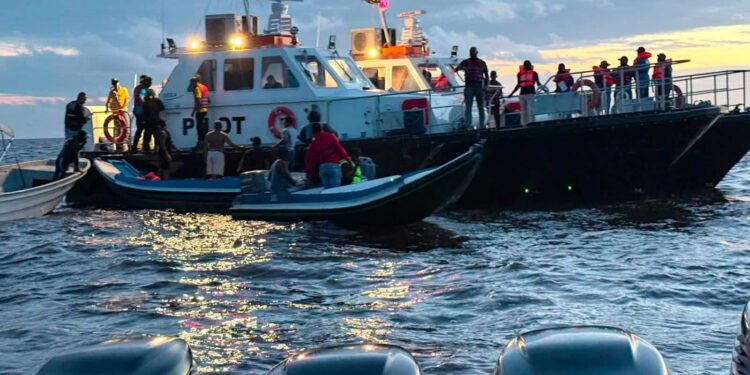
The call comes as the commission examines the circumstances surrounding the July 18 sinking of the MV Barima, which resulted in deaths and left dozens of passengers requiring rescue.
APNU said evidence reported from the hearings had raised disturbing questions about safety procedures, equipment maintenance, emergency communications and the preparedness of institutions responsible for protecting lives.
The partnership cited reports that safety drills had not been conducted, formal maintenance systems and operating manuals were absent, an emergency beacon was unregistered, and a rescue vessel lost internet connectivity without a backup. It also pointed to limitations affecting night searches.
Particularly concerning, APNU said, was testimony that none of the 26 survivors rescued by one Coast Guard team was wearing a life jacket.
“These disclosures remain subject to the Commission’s assessment, but their seriousness cannot be dismissed,” the party stated.
Questions over preparedness and oversight
APNU also highlighted reported testimony that Coast Guard standard operating procedures had not been updated during the commander’s three-year tenure and that joint search-and-rescue exercises had not been conducted.
The coalition argued that preparedness cannot depend on waiting for a major disaster, stressing that regular exercises are necessary to identify weaknesses before lives are lost.
It maintained that while testimony from public servants, technical personnel and operational officers was necessary, it could not replace scrutiny of those responsible for policy, funding and institutional performance.
APNU called on the commission to examine the responsibilities of the Maritime Administration Department (MARAD), including its inspections, certification, enforcement and regulatory oversight.
“What deficiencies were identified? What corrective action was required? Who verified compliance? What information reached the ministers, and what did they do with it?” the party asked.
The statement also noted that Edghill’s legal representation at the inquiry was already a matter of public record. APNU argued that representation by counsel did not replace personal testimony about ministerial decisions, knowledge and oversight.
The partnership said the conduct of the ferry’s crew and operational staff must be assessed fairly and that they should not be made scapegoats for any failures extending through regulatory and political leadership.
Government pressed on safety reforms
Beyond the inquiry, APNU demanded that the government disclose whether maritime safety and search-and-rescue procedures had been corrected since the disaster and whether those changes had been tested.
It called for publication of the measures implemented, their dates, the officers responsible and details of completed training and exercises.
The party also questioned whether distress beacons had been checked for registration, backup communications tested, life-saving equipment inspected, and passenger and cargo controls strengthened.
“Passengers continue to depend on these services while the inquiry proceeds. Their safety cannot wait for the final report,” APNU said.
Oil wealth and accountability
APNU linked the reported institutional weaknesses to the government’s management of Guyana’s expanding oil revenues, arguing that increased national resources should translate into stronger regulatory institutions, qualified personnel, maintained equipment and reliable emergency systems.
“In APNU’s assessment, the Government has failed to demonstrate that it is converting Guyana’s oil revenues into the institutional strength and human capacity our expanded financial resources demand.”
The party urged the commission to pursue evidence through every level of responsibility, including MARAD, the supervising ministries and the government.
The commission must determine the circumstances of the sinking and assess whether failures in safety, regulation or emergency preparedness contributed to the loss of life. APNU’s allegations and demands represent the party’s position; responsibility must be established through the evidence presented to the inquiry.