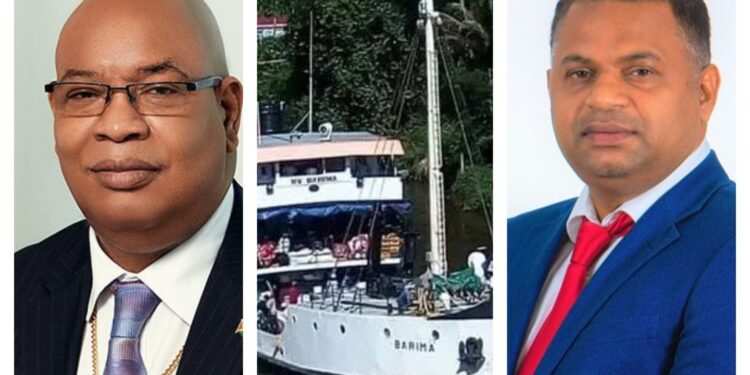
Repeated attempts to contact the MV Barima after a distress alert went unanswered, while a witness told the Commission of Inquiry that Public Works Minister Juan Edghill cautioned rescuers against releasing photographs that could create a media stir, raising further questions about the handling of the July 18 ferry disaster.
Lighthouse attendant David Chisholm testified that he repeatedly attempted to contact the ferry by VHF radio after receiving a distress alert but received no response. He said he relayed the alert to his superiors and the Maritime Rescue Coordination Centre before continuing his attempts to reach the vessel on the Harbour Master’s instructions.
His testimony places the handling of distress communications under scrutiny, with the inquiry tasked with establishing when the alerts were received, how they were relayed and what action followed.
The unanswered calls raise a critical question: whether the available information was acted upon effectively as passengers faced a life-threatening emergency.
Edghill’s reported warning to rescuers
MARAD pilot trainee Shemar Morrison testified that Edghill addressed rescuers before their mission and cautioned them against releasing photographs.
“He said, ‘Guys, just focus on what you doing and try not to release any pictures because we don’t want to create any stir in the media.’”
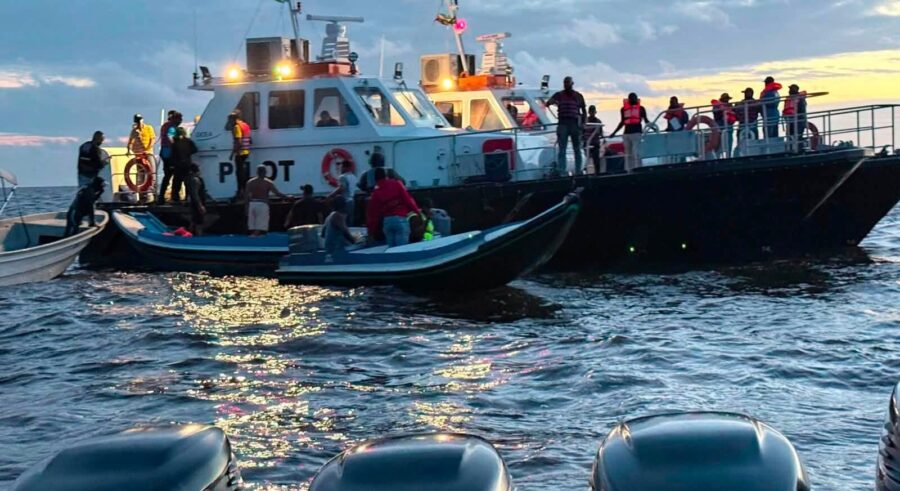
Morrison said his crew encountered debris and transferred survivors who had already been rescued by other vessels to the pilot boat Haiama for transport to the Pomeroon Coast Guard base.
The reported exchange raises questions about the handling of information during the emergency. However, the testimony alone does not establish that the minister obstructed the inquiry or that the instruction affected rescue operations.
The commission will need to examine the circumstances surrounding the exchange and determine its relevance to the wider investigation.
Empty rafts and desperate search
Acting Harbour Master Romain Seurattan testified that rescuers discovered three empty life rafts during the search on July 19. He said a flare seen in the darkness subsequently led the team to another raft carrying three survivors.
MARAD seaman Davanand Jaipaul described the condition of survivors brought aboard the Haiama, saying they were shivering and had minor cuts and bruises. He testified that he provided blankets, bandages and first aid.
The testimony highlights the difficult conditions faced by survivors and rescuers, while raising further questions about life-saving equipment, emergency preparedness and the effectiveness of the search.
Accountability remains central
The MV Barima disaster has brought the ferry’s safety arrangements, maintenance, passenger protection and the readiness of agencies responsible for maritime safety and rescue operations under scrutiny.
The commission must establish what happened before and during the sinking and determine whether failures in procedures, equipment, communication or decision-making contributed to the loss of life.
The testimony presented so far does not, by itself, establish responsibility for the disaster. However, the unanswered distress calls, discovery of empty life rafts and questions surrounding the handling of information demand careful examination.
The families of those who died deserve a clear account of how the disaster unfolded, whether warnings were acted upon and whether the systems intended to protect passengers were adequate. The inquiry must follow the evidence through every level of responsibility and establish whether any failures contributed to the tragedy.