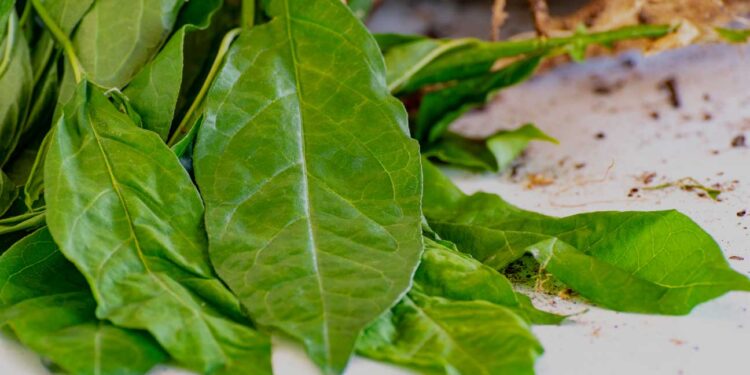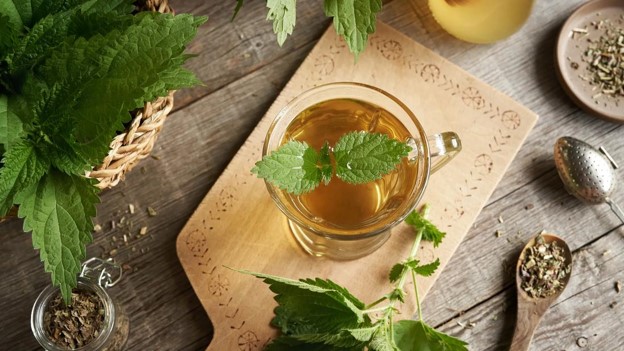
Stinging nettle (Urtica dioica) sounds like it could easily be a dangerous or poisonous plant. But it’s actually a nutritious herb that some people use as a natural remedy. And nettle tea is a popular herbal drink that’s packed with nutrients. Registered dietitian Michela Palma, RD, LD, discusses the possible benefits of nettle tea and how to enjoy it.
Health benefits of nettle tea
Drinking nettle tea may have several potential health benefits, including:
1. Improves glycemic management in diabetes
Small studies show that nettle may help reduce fasting blood glucose, and in others, even reduce hemoglobin A1C. But larger studies are needed.
“Nettle shouldn’t be used as a substitute for diabetes medications,“ stresses Palma. “If you’re interested in taking nettle tea and have diabetes, consult with your doctor prior to taking it.”
2. Boosts prostate health
Benign prostate hyperplasia (BPH) is a noncancerous condition where your prostate gland is enlarged. Nettles are a common herbal remedy for BPH, which can cause an urgent need to urinate, as well as leaking or pain while urinating.
“Nettles have been used for urinary and prostate problems for centuries,” says Palma. “Some evidence suggests that nettles might interfere with the growth of prostate cells. And a human study suggests that stinging nettles could improve BPH symptoms. But it’s important that you discuss any prostate issues with your healthcare provider first.”
3. Eases allergies
If you’re sniffling and sneezing when pollen season arrives, using a proven antihistamine medication can help provide relief. But you might think about adding a cup of nettle tea to your anti-allergy regimen.
“Studies are mixed on whether nettle tea helps allergies,” clarifies Palma. “This herb may be worth a try if you have very mild allergies or want to try boosting the effects of your allergy medications.”
4. Lowers blood pressure
High blood pressure (hypertension) is a potentially serious health condition. Without treatment, high blood pressure can raise your risk of heart attack and stroke.
Nettle tea isn’t an approved therapy for high blood pressure. But it could be helpful if you want to keep your blood pressure healthy.
“Some evidence suggests that regularly drinking nettle tea can lower blood pressure in some people,” shares Palma. “However, it’s not a replacement for blood pressure medications. It’s important to keep your blood pressure well-managed with the help of your healthcare provider. And if you already take blood pressure medications, your doctor may not recommend nettle tea.”
5. Promotes eye health
Nettles contain lutein and zeaxanthin. These antioxidants may help prevent several eye conditions, including:
- Age-related macular degeneration (AMD)
- Diabetes-related retinopathy
- Retinal detachment
- Uveitis
“Consuming foods and drinks rich in antioxidants has many health benefits, including a lower risk of some eye conditions,” says Palma. “But nettle tea can’t take the place of regular eye exams or any medications that your healthcare provider has prescribed for you.”
Who shouldn’t drink nettle tea?
Nettle tea is generally safe for most people, but any herb can have side effects. Talk with your healthcare provider before you start drinking nettle tea.
Nettle tea can interfere with some medications, such as:
- Aspirin
- Anticoagulants (blood thinners)
- Blood pressure medications
- Diuretics (water pills)
- Diabetic medications
- Lithium
Some people are also allergic to stinging nettle. Get medical care immediately if you notice signs of an allergic reaction, such as itching, hives or trouble breathing. You also want to avoid nettle tea if you’re pregnant.
Finally, you might want to stick to daytime sipping. “Nettle tea is a diuretic, so drinking it before bed could send you to the bathroom during the night,” notes Palma.
Bottom line? Promising, but more evidence is needed
Some research shows that nettle tea could have some health benefits, but don’t count on it to treat a medical condition.
“Nettle tea contains a lot of nutrients, so it can be part of a healthy diet,” says Palma. “But don’t use it in place of medical care. Instead, with your doctor’s OK, use it to boost your health.” (Cleveland Clinic)