By Mark DaCosta-Critics say Donald Trump may have hurt American energy sellers by pushing too hard. Four European companies have now signed firm deals to buy gas from a Canadian project, Ksi Lisims LNG, on the coast of British Columbia. Together the binding contracts cover 7 million tonnes a year, about 58 per cent of what the project plans to produce. The buyers are Uniper and SEFE from Germany, Shell from Britain and a TotalEnergies subsidiary from France. Both German firms already have their deals signed and sealed.
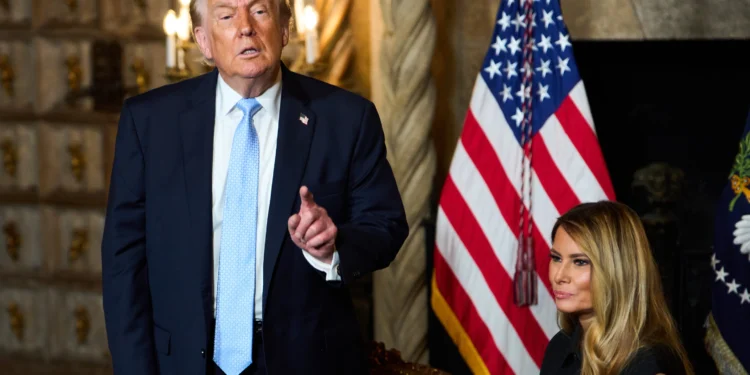
Here is the argument. In December 2024, before he took office, Mr Trump posted online that the European Union must buy large amounts of American oil and gas to make up its trade gap. He warned of “TARIFFS all the way!!!” if it did not. Critics say threats like that make buyers nervous. If a supplier can turn a trade dispute into a punishment, careful customers look for other sellers. Canada, which Trump also threatened with tariffs, has its own reasons to find new customers. Reports say Canada’s government is pushing energy exports beyond the United States. Seen this way, every contract signed with Canada is one a nervous buyer did not sign with America.
A simple comparison helps. Imagine your favourite shop owner says, “Buy more from me or I will charge you extra.” You might still shop there, but you would also quietly start visiting other shops, so you are never at his mercy. Critics say that is what Europe is doing with gas.
Now the other side, because the facts are mixed. First, the timing is awkward for this argument. Shell signed the project’s first 20-year deal in January 2024, almost a year before Trump’s post. Second, Europe still buys a lot from America. American suppliers provided 47 per cent of the EU’s liquefied natural gas in early 2024. Third, Ksi Lisims is owned by a Texas company backed by the US investment firms Blackstone and Apollo. So American money could still profit. Fourth, most European energy firms are private and buy on price and efficiency, not because a government tells them to. Finally, some deals are only early agreements: the interest from Britain’s Centrica and Australia’s Santos is not yet binding.
Supporters of Trump say pressure gets results. They argue it brought Europe to the table to discuss buying more American energy, and one trade expert has said such a deal could be “a win-win” because Europe wants the gas anyway (Centre for Strategic and International Studies, quoted by Fast Company).
For Guyana, the lesson is simple and does not depend on who is right. Selling to several buyers is safer than depending on one. And partnering with Indigenous communities from the start, as the Nisga’a Nation has done in this project, is smart business as well as fair.