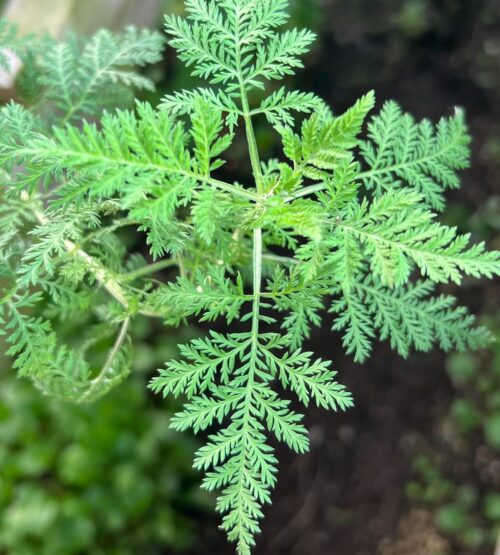
Wormwood, a bitter herb used for centuries in traditional medicine and famously associated with the alcoholic drink absinthe, has attracted attention for its potential health benefits. However, health researchers warn that the plant contains compounds that can be toxic in excessive amounts, making caution essential.
Known scientifically as Artemisia absinthium, wormwood is native to Europe but also grows in parts of Asia, Africa, South America and the United States. Its silvery-green leaves, pale stems and yellow flowers are used in teas, extracts and other herbal preparations.
The herb became widely known in the 19th century through its use in absinthe, a French alcoholic drink popular among artists and writers. Concerns about hallucinations, seizures and other adverse effects led to restrictions on the beverage. Absinthe became legally available again in the United States in 2007, subject to limits on certain compounds.
Potential health benefits
According to Healthline, wormwood contains several bioactive compounds, including flavonoids, phenols, artemisinin and thujone, which researchers have investigated for their potential antioxidant, anti-inflammatory and antimicrobial properties.
Traditionally, wormwood has been used to relieve pain associated with conditions such as osteoarthritis, gastrointestinal problems and menstruation. However, further research is needed to establish its effectiveness and appropriate dosage.
The herb has also been used to treat intestinal parasites, including pinworms and roundworms. However, evidence supporting this use remains limited, and healthcare professionals do not recommend wormwood as a substitute for established treatments.
Other research has examined its antioxidant properties. Certain compounds in the plant may help combat oxidative stress, a process associated with chronic conditions such as heart disease, diabetes, cancer and Alzheimer’s disease.
Animal studies have also suggested that wormwood may reduce inflammation. Research involving mice found that certain preparations helped manage colitis symptoms and reduce tissue inflammation. These findings, however, have not established similar benefits in humans.
Health risks and precautions
Despite its potential benefits, wormwood carries significant risks. One of its principal compounds, thujone, affects the central nervous system by interfering with gamma-aminobutyric acid (GABA), a neurotransmitter that helps regulate brain activity.
Excessive exposure to thujone has been associated with tremors, seizures and potentially fatal poisoning.
Other reported side effects include abdominal cramps, diarrhoea, nausea, vomiting, dizziness, sleeping difficulties and urinary retention. Concentrated preparations, particularly essential oils, may pose additional risks.
Pregnant and breastfeeding women, people with epilepsy, kidney or heart conditions, and individuals allergic to plants such as ragweed and marigolds are advised to avoid wormwood unless directed otherwise by a qualified healthcare professional.
There are also no established dosage guidelines or sufficient evidence confirming the herb’s long-term safety. Healthline cautions against prolonged use, noting that its safety beyond four weeks is unknown.
Consumers urged to exercise caution
Wormwood is sold as dried leaves, tea, capsules, extracts, tinctures and essential oils. However, herbal supplements and essential oils are not subject to the same premarket approval requirements as prescription medicines in the United States.
Product quality, concentration and ingredients may therefore vary, while some health claims made by manufacturers may lack scientific support.
Consumers are encouraged to consult a healthcare professional, pharmacist or registered dietitian before using wormwood, particularly if they have an underlying medical condition or take medication.
Although research suggests that wormwood contains compounds with potential therapeutic properties, its benefits remain under investigation. The limited human evidence and risk of toxicity make professional guidance important before using the herb.
Readers seeking more information about wormwood’s traditional uses, potential benefits, dosage considerations and side effects can follow the full article published by Healthline.
Source: Healthline – “Wormwood: Benefits, Uses, Dosage, and Side Effects.”