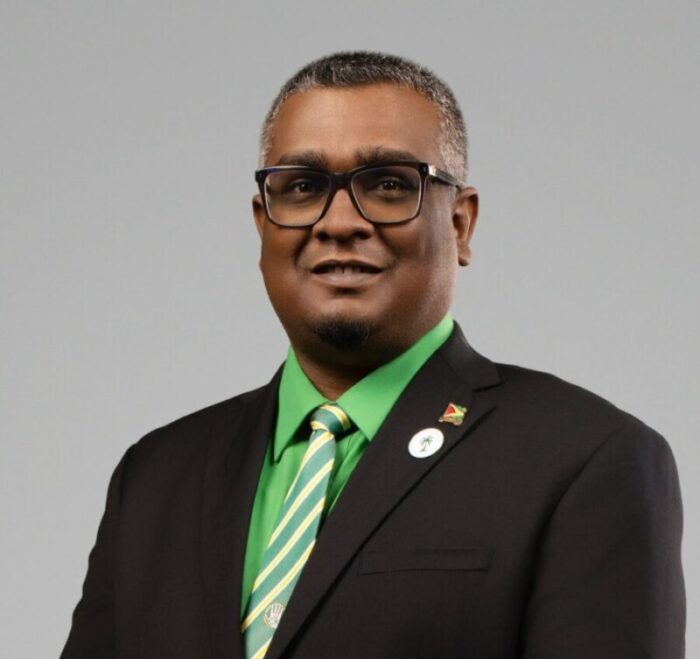
In a social media post on Saturday, August 15, 2026, Mahipaul said the Government deliberately chose open tendering to identify a contractor for the recovery of the sunken vessel and argued that the public should therefore have access to key details from the tender-opening process.
“Something to quickly think about. The government of Guyana chose open tendering as the process to get companies to bid for the salvaging of the MV Barima.”
Mahipaul pointed specifically to the August 14 closing date, arguing that the names of the bidders and their tendered amounts should have been disclosed at the public opening of bids.
“Our procurement act dictates that when using open tendering process, at the close of tendering, which was yesterday, the 14th of August 2026, the names of each bidder and their associated sums that they bid must be made public. It must be open in public.”
He said, however, that no such information had been released publicly.
“But we have not as yet gotten the names of the companies and their associated sums to do the job.”
What Guyana’s law provides
The Public Procurement Commission has specifically identified compliance with Section 38 as part of its monitoring of tender-opening procedures, including whether tender openings are conducted publicly and whether the required information is recorded.
Mahipaul acknowledged that the bids must now undergo evaluation before a contractor is selected, but questioned why disclosure of the bidders and their submitted prices should await completion of the evaluation.
“We understand that the process requires now evaluation. We understand that evaluation is going to take place, and the most responsive bidder is going to be awarded the work, or so it should be.”
He then pressed the authorities responsible for the process:
“But why is it that we don’t have the names of the companies that submitted bids and their associated sums?”
And he directed his question specifically to the Maritime Administration Department (MARAD) and the Ministry of Public Utilities and Aviation:
“What is it that you’re hiding, MARAD, Maritime Administration Department, and Ministry of Public Utilities and Aviation?”
Salvage follows national tragedy
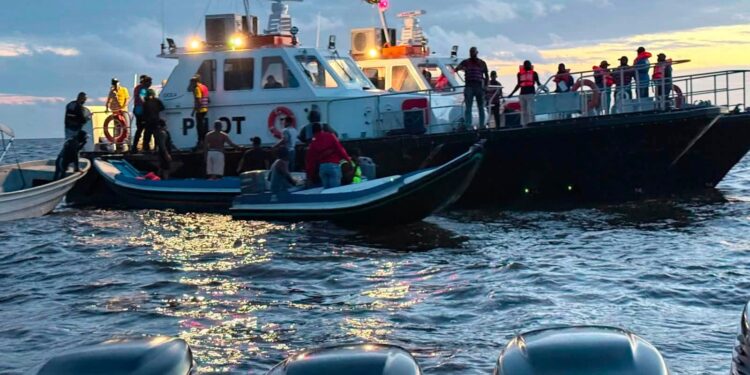
The tender process comes less than a month after the July 18 sinking of the MV Barima, which resulted in the deaths of more than 100 passengers and crew and triggered intense scrutiny of the vessel’s maintenance, seaworthiness, loading, regulatory oversight and the Government’s emergency response.
The Government initially expressed reluctance to undertake a full salvage operation, with Prime Minister Mark Phillips saying on July 28 that the wreck could potentially remain on the seabed.
That position subsequently changed amid sustained pressure from families, opposition politicians and members of the public demanding that the vessel be recovered. Opposition Leader Azruddin Mohamed also publicly offered assistance toward raising the wreck and argued that salvage was necessary to provide answers and closure.
The wreck is also potentially important to the Commission of Inquiry established to examine the disaster, making the manner in which it is recovered and preserved a matter of considerable public interest.
The Government has since moved forward with a formal procurement exercise for a specialised salvage contractor.
Mahipaul’s intervention now places the transparency of that procurement process under additional scrutiny.
His concern is not that the evaluation should be bypassed, but that the public should know who submitted bids, what prices were offered and whether the statutory requirements governing public tender openings have been followed.
“Something to think about. Think carefully now.”
The controversy now raises a fundamental question about transparency. If the salvage process was conducted openly, why should the public have to wait to learn who bid to recover the MV Barima and the amounts they offered?