Senior citizens across Guyana will begin receiving the Government’s annual one-off $20,000 transportation allowance from Wednesday, July 8, as authorities roll out a measure aimed at helping pensioners meet the cost of travel.
The allowance, first announced in the 2026 National Budget, is intended to assist elderly citizens with transportation expenses associated with accessing healthcare, purchasing groceries and attending to other daily needs.
Minister of Human Services and Social Security, Dr. Vindhya Persaud, said the ministry has put in place a straightforward process to ensure pensioners can access the benefit with ease.
“We are happy to make this process very seamless and easy for you. We know every day you need transportation to go somewhere, whether it is taking a boat or ferry ride across the river, taking a taxi to buy groceries, heading to the hospital or clinic for medication, or simply visiting family and friends,” Persaud said.
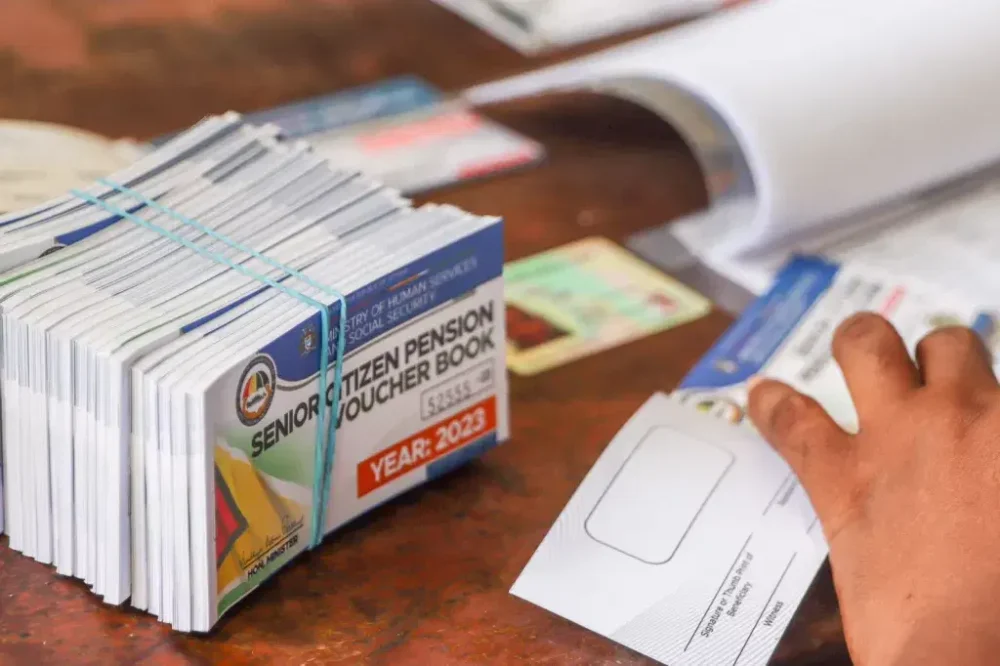
To receive the once-a-year payment, pensioners must present their 2026 pension book at the nearest Ministry of Human Services and Social Security office. Ministry staff will stamp the first page of the final two pages marked “For Official Use Only” with the value of $20,000.
Recipients can then present the stamped pension book at their designated post office or an approved payment agency, including Western Union, MoneyGram or SurePay, to collect the allowance.
Pensioners whose monthly benefits are deposited directly into their bank accounts will receive the transportation allowance through the same channel, while those paid via MMG will have the funds transferred electronically.
The transportation allowance is among a number of social measures introduced by the Government this year. However, because it is a single annual payment, some economists, social advocates and opposition figures have argued that its impact will be limited amid rising transportation costs and the broader increase in the cost of living.
Those calls come as Guyana continues to benefit from unprecedented oil revenues and sustained economic expansion. Since commercial oil production began in 2019, the country has recorded some of the world’s fastest rates of economic growth and has accumulated billions of US dollars in petroleum revenues.
Against that backdrop, there have been growing calls for the Government to go beyond one-off grants by increasing old-age pensions, expanding subsidies for healthcare and prescription drugs, and introducing more comprehensive support programmes for senior citizens. Advocates argue that the country’s growing oil wealth provides the fiscal capacity to deliver more sustained assistance to pensioners, many of whom continue to struggle with the rising cost of everyday living.