The Caribbean Community (CARICOM) is preparing to convene a regional meeting of representatives from Member States and other key stakeholders to examine longstanding issues affecting Rastafarians across the region.
The initiative comes amid continued concerns over the discrimination and marginalisation faced by members of the Rastafarian community, both within the Caribbean and internationally.
The decision to hold the meeting was made during the Forty-Second Inter-Sessional Meeting of the Conference of Heads of Government, held on May 8, 2026, where regional leaders acknowledged that many Rastafarians continue to experience exclusion in key areas of society, including education, employment and public life.
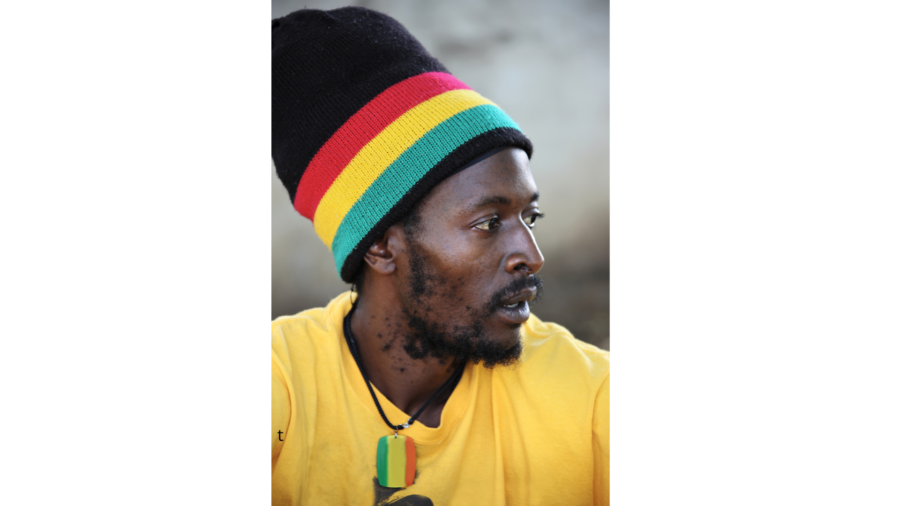
The Rastafari movement emerged in Jamaica during the early 1930s as a response to the enduring effects of slavery, colonialism and racial oppression. Inspired by the teachings of Pan-African leader Marcus Garvey and the coronation of Ethiopian Emperor Haile Selassie I in 1930, the movement promoted African identity, self-determination and spiritual freedom.
However, Rastafarians were often subjected to discrimination because of their beliefs, appearance and way of life. Many were denied employment and educational opportunities, harassed by law enforcement and excluded from mainstream society. Despite these challenges, they resisted through peaceful advocacy, community-building and cultural expression, with reggae music becoming a powerful vehicle for advancing messages of justice, equality and human rights across the world.
Against this historical backdrop, CARICOM Heads reaffirmed their commitment to ensuring the full recognition and protection of the rights of Rastafarians as equal members of society and agreed that greater regional collaboration is needed to address the challenges they continue to face.
As part of that commitment, the Heads of Government agreed to establish a committee comprising representatives from Barbados, Jamaica, St Kitts and Nevis, Saint Vincent and the Grenadines, and Trinidad and Tobago.
The committee has been tasked with advancing discussions on issues affecting Rastafarians at both the regional and international levels, with the aim of developing coordinated responses and recommendations.
Regional leaders also acknowledged the progress made by several Member States in addressing historical injustices experienced by Rastafarians.
Among the measures highlighted were official public apologies, the provision of land grants and the enactment of legislation designed to protect individuals from discrimination in the workplace.
According to CARICOM, these national initiatives demonstrate meaningful efforts to address past inequities and could serve as models for a broader regional approach to safeguarding the rights and dignity of Rastafarians.
The planned meeting is expected to bring together government representatives and other stakeholders to examine existing challenges, share best practices and identify practical measures that can strengthen inclusion, equality and respect for the rights of Rastafarians throughout the Caribbean Community.