(Today)- Add prebiotics to the long list of health benefits of eating fruit.
These nutrients are food for the helpful microbes living in the intestines — an essential part of gut health and overall wellbeing.
“Prebiotics are a type of fiber that act like fertilizer to feed the good bacteria in your gut,” Samantha Cassetty, a registered dietitian in New York, tells TODAY.com.
“When your beneficial bacteria are well-fed and diverse, it can translate to improved digestion, nutrient absorption, metabolic health, immune health and even mood regulation.”
The human body doesn’t digest prebiotic fiber, allowing it to reach the lower part of the gut and nourish probiotics — the live microorganisms that reside there.
In short, prebiotics help probiotics do their job, registered dietitian Vanessa Rissetto told TODAY.
Most people don’t eat enough fiber in general, so they’re falling short on this specialized type, too, Cassetty says. Supplements and prebiotic soda can be an “easy fix,” but it’s better to get prebiotics from whole foods, which “bring along other beneficial nutrients for the ride” and interact in ways a supplement or a can of soda can’t replicate, she adds.
The top five foods rich in prebiotics include dandelion greens, Jerusalem artichokes, garlic, leeks and onions, according to the American Society for Nutrition.
If those aren’t to your taste, fruits are also a good source of prebiotics — some contain prebiotic fiber, while others are rich in polyphenol antioxidants, which act as prebiotics in the gut, Cassetty notes.
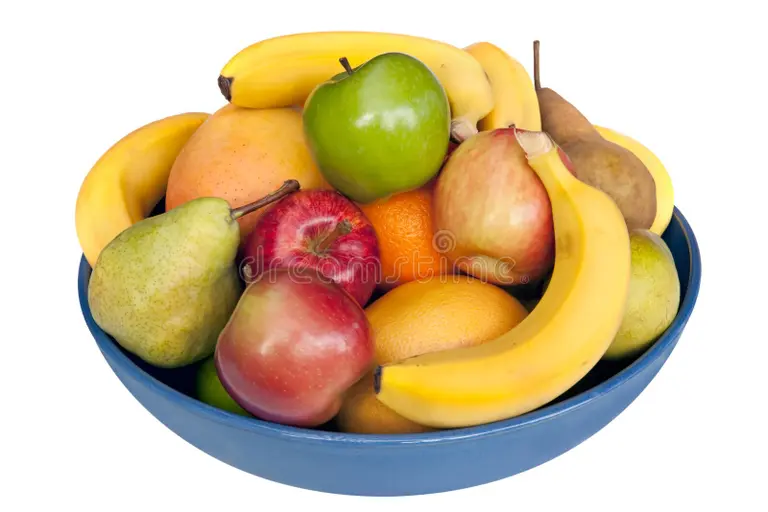
Here are the fruits that contain the most prebiotics:
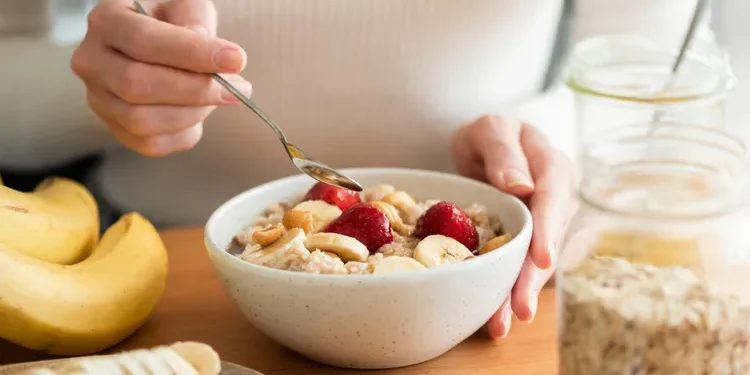
Banana
Unripe bananas contain resistant starch, a type of carbohydrate that behaves like fiber, explains registered dietitian Natalie Rizzo, nutrition editor for TODAY.
It “resists” digestion in the small intestine and travels down to the colon intact, where it ferments and feeds the good bacteria, Cassetty notes.
But the resistant starch gradually converts to natural sugars as a banana ripens, so you want to look for a banana that’s still a bit green for the most prebiotics.
To make an unripe banana more palatable, she recommends blending it into a smoothie with a sweeter fruit like prunes or dates; or blending it with eggs to make fluffy protein pancakes that can be topped with another fruit and a little maple syrup.
Apple
The apple is a prebiotic food because it’s rich in pectin, which makes up about 30% of the fruit’s total fiber content, researchers note.
Pectin is a soluble dietary fiber that’s “not degraded by either human saliva or gastric acid,” so it reaches the large intestine where it’s fermented by beneficial gut bacteria, studies have found.
Most people may know pectin as a starch that’s used as a natural thickener for jellies or jams, and as a plant-based alternative to gelatin.
Pear
Similar to apples, pears contain lots of pectin and so much fiber in general that Rizzo calls eating the fruit her “secret weapon” for meeting her daily fiber goals.
Blueberries
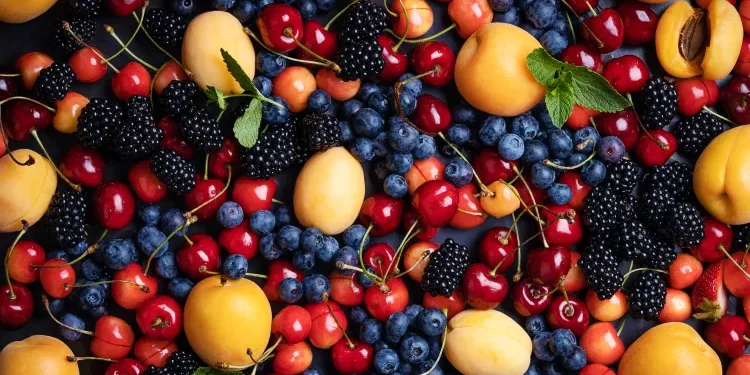
One of the healthiest berries and fruits overall, blueberries are rich in both dietary fiber and polyphenols — plant compounds that work as antioxidants.
When you consume polyphenols, 95% of them reach the lower gut and interact with the resident microbes, resulting in a “prebiotic-like effect,” according to the International Scientific Association for Probiotics and Prebiotics.
Strawberries
Another fiber and polyphenol star, the strawberry is a sweet and delicious way to boost gut health. The pectin structure of the fruit’s fiber “indicates strong potential as a prebiotic food,” researchers wrote.
Adults who regularly ate strawberries for 10 weeks showed changes in gut microbial diversity that could be linked to improved health, a study found.
Avocado
Cassetty, who works with the Hass Avocado Board, calls this fruit a versatile, nutrient-dense option for getting prebiotics. It also contains pectin, plus healthy fats.
She points to a study that found people who ate an avocado a day ended up with a more diverse gut microbiome and had more good bacteria that feed on fiber to support a healthy gut compared to people who skipped the avocado.
“You want a healthy and resilient gut, and a diverse microbiome with more beneficial bacteria is a good sign,” Cassetty says.
Dates
Packed with fiber, dates are the sweet fruits of the date palm. They look dried but they’re actually fresh, moist and very ripe.
The complex carbs in these fruits “exhibit prebiotic properties,” promoting the growth of helpful gut bacteria, including Bifidobacterium and Lactobacillus, studies have found.
Decadently sweet, dates make the list of fruits that naturally contain the most sugar.
Nectarines
This cousin of the peach has the highest content of fructooligosaccharides, a plant sugar and type of prebiotic fiber, of any fruit, studies have found.
Nectarines have a smooth skin and a slightly more tangy, complex flavor than peaches.
Grapefruit
The membranes of this citrus fruit are rich in pectin, the prebiotic fiber. It can also help lower LDL cholesterol, so experts told the American Heart Association it’s best to peel a grapefruit and eat it by the section like an orange.
Grapefruit also makes the list of fruits lowest in carbs.