Key Takeaways
- Choline is an essential nutrient needed to make acetylcholine, a neurotransmitter that supports memory, mood, and brain function.
- Research suggests people with anxiety disorders may have lower levels of choline in their brain tissue, but more studies are needed to confirm this link.
- Many adults consume only 65% to 70% of the recommended daily choline intake.
Anxiety disorders are the most common mental illness in the United States, impacting roughly 40 million adults every year.1 A number of factors can contribute to the development of anxiety, and research suggests choline deficiency might be one of them.
What The Research Shows
The idea that choline—an essential, water-soluble nutrient found in foods like eggs—is necessary for good mental health and that deficiency can lead to anxiety is a fairly new and emerging topic, said Joan Salge Blake, RDN, LDN, a dietitian and nutrition professor at Boston University.
“Among other things, choline is a needed to make acetylcholine, which is a neurotransmitter for memory, mood, and other brain and nervous system capabilities,” Blake said.
While there isn’t yet enough research to prove that there is a definite correlation between choline and anxiety, some studies suggest there’s a link.
Most recently, a 2025 systematic review and meta-analysis showed a pattern of less choline-containing compounds in the brain of folks with anxiety disorders.
“A meta-analysis can enable stronger conclusions by pulling together data from similar studies,” said Christopher Browne, MS, DC, the director of human nutrition and functional medicine at University of Western States. “In this case, the results showed that people with anxiety disorders had significantly lower choline levels in their brain tissue across the studies reviewed.”
The authors also found that studies with better measurement were more likely to show a significant correlation between brain choline levels and anxiety disorders, Browne said, increasing confidence in the strength of the relationship.
What to Keep in Mind
However, Browne said an important limitation is that the studies included in this meta-analysis had less available data on non-choline brain chemicals, which may have important influences on anxiety, so the findings are not a complete picture.
Also, these studies mostly focused on areas in the cerebral cortex of the brain and had less information about other brain regions that could contribute to anxiety disorders.
“More research is needed to determine how other brain chemicals influence anxiety together with choline, how choline levels in different brain regions (including those below the level of the cerebral cortex) affect anxiety, and which other nutrients can impact these processes,” Browne said. “This will help us better understand the physiology of anxiety disorders and may reveal new approaches to helping people with them.”
Should You Eat More Choline For Anxiety?
Because research remains limited, you shouldn’t turn to choline as your first line of defense against anxiety.
“Anxiety disorders involve a complex combination of physiological and psychological factors that should ideally be addressed together,” Browne said. For people experiencing ongoing challenges with anxiety, he said it’s important to connect with a qualified mental health professional to develop a personalized plan.
However, seeking the advice of a qualified nutritionist can help you determine if you need to increase your intake of choline or any other nutrients that may impact brain function and mental health.
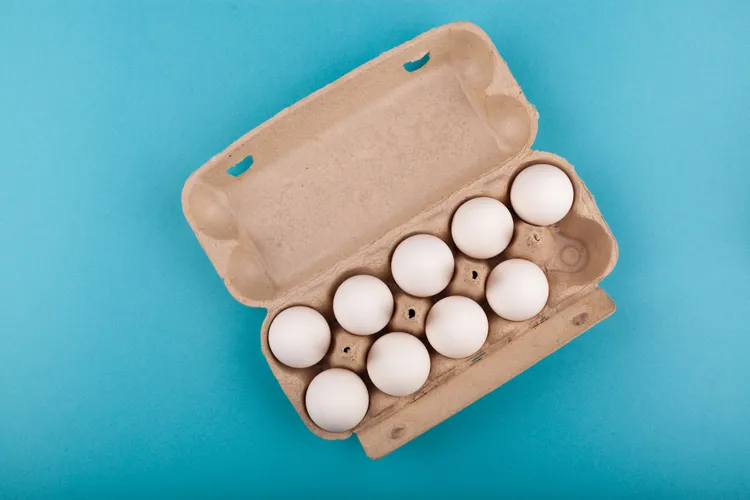
If there is too little choline in the diet, Browne said a nutritionist might recommend increasing your intake of choline-rich foods like eggs, soybeans, and shiitake mushrooms, or possibly taking a supplement.
How Much Choline Do You Need?
The current choline recommendation is 425 mg per day for women and 550 mg daily for men.3 But many adults are only consuming about 65% to 70% of their daily needs, Blake said.
Choline is mostly found in animal-based options such as meat, poultry, fish, and eggs, as well as some legumes, grains, and vegetables.
Here are some examples, according to Blake:
- 1 large hard-boiled egg: 147 mg
- 3 ounces of cooked beef: 117 mg
- Half a cup of roasted soybeans: 107 mg
- 3 ounces of cooked chicken breast: 72 mg
- 3 ounces of cooked lean ground beef: 72 mg
- 3 ounces of cooked cod: 71 mg
- Half a cup of kidney beans: 45 mg
“Because excessive amounts of choline can cause vomiting, sweating, low blood pressure, and be toxic to the liver, the upper tolerable intake level intake for adults is set at 3,500 mg,” Blake said. “However, it would be challenging to consume that much from the diet alone.” (verywellhealth)
Medically reviewed by Patricia Mikula, PharmD