Tuesday, November 24, 2026
Village Voice News
ADVERTISEMENT
  • Home
  • News
  • Sports
  • Editorial
  • Letters
  • Global
  • Columns
    • Eye On Guyana
    • Hindsight
    • Lincoln Lewis Speaks
    • Future Notes
    • Blackout
    • From The Desk of Roysdale Forde SC
    • Diplomatic Speak
    • Mark’s Take
    • In the village
    • Mind Your Business
    • Bad & Bold
    • The Voice of Labour
    • The Herbal Section
    • Politics 101 with Dr. David Hinds
    • Talking Dollars & Making Sense
    • Book Review 
  • Education & Technology
  • E-Paper
  • Contact Us
No Result
View All Result
Village Voice News
No Result
View All Result
Home Herbal Section

Health Benefits of Bitter Kola

Admin by Admin
April 19, 2026
in Herbal Section, The Herbal Section
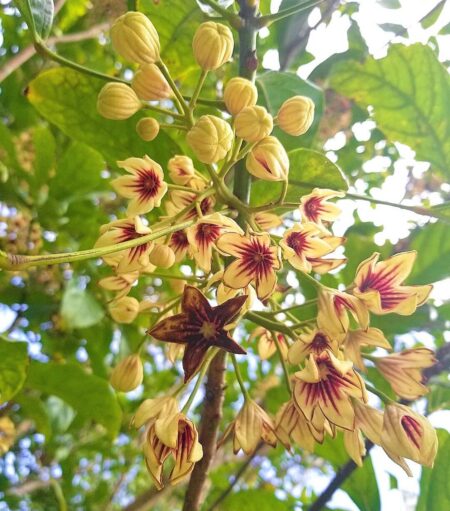
kola tree

kola tree

0
SHARES
0
VIEWS
Share on FacebookShare on Twitter

READ ALSO

Anamu: The Traditional Healing Herb With Promising Health Benefits

Wormwood: Traditional Herbal Remedy Has Potential Benefits but Carries Health Risks

Bitter kola, also known as bitter cola or Garcinia Kola, is a plant found in Central and Western Africa that has long been valued for its medicinal properties. Although traditional African medicine uses all parts of the Bitter Kola plant, the seeds are mostly commonly eaten.Bitter kola seeds have a sharp, bitter flavour that eases into a slight sweetness as you chew, and they’re typically eaten raw.

Health Benefits

Although bitter kola has been eaten in Africa for years, scientists are just beginning to study the health benefits of this flowering plant.

According to these early studies, bitter kola may be able to help with health problems including:

Infections

Bitter kola has been used over the years to fight infections from the common cold to hepatitis. A 2018 study showed that bitter kola can help combat coughs, bacterial infections, and viral infections. Eating bitter kola when an infection starts may help fight the infection and make you feel better more quickly.

InflammationBitter kola seeds have commonly been chewed on in Africa to fight against inflammatory conditions like arthritis. One 2008 study showed that patients with osteoarthritis in their knees showed significantly reduced inflammation when eating bitter kola compared to a placebo. The high levels of potassium in bitter kola may be a contributing factor in reducing inflammation.

Diabetes

Early studies suggest that a chemical called kolaviron, which is found in bitter kola, may protect against hypoglycemia in people with type 2 diabetes. Although this first study was done on rats and has not yet been reproduced on humans, these early findings are promising.

Kola Nuts

Nutrients per Serving

The FDA considers bitter kola generally safe to eat, but classifies it similarly to essential oils. That means there’s not much information available about serving sizes or nutritional data. However, a 2013 study found that bitter kola was high in the following nutrients:

  • Carbohydrates
  • Fat
  • Protein

The study same study also found that bitter kola had high levels of:

  • Vitamin C
  • Calcium
  • Potassium
  • Iron
  • Caffeine

How to Prepare Bitter Kola

Bitter kola can be eaten on its own, uncooked, like many other nuts. Keep in mind, however, that it’s called “bitter” for a reason. Bitter kola can be an acquired taste.

You can sometimes find drinks made or flavored with bitter kola at African markets and online stores. If you don’t like the taste but want to introduce bitter kola to your diet, these drinks may be a good option. (WebMD)

——————————–
Article written by WebMD Editorial Contributor

Medically Reviewed by Kathleen M. Zelman, RD, LD, MPH 
ShareTweetSendShareSend

Related Posts

Anamu,
Herbal Section

Anamu: The Traditional Healing Herb With Promising Health Benefits

by Admin
November 15, 2026

Anamu, also known as guinea hen weed, is a medicinal plant that has been used for generations across the Caribbean,...

Read moreDetails
artemisia afra (african wormwood)
Herbal Section

Wormwood: Traditional Herbal Remedy Has Potential Benefits but Carries Health Risks

by Admin
November 8, 2026

Wormwood, a bitter herb used for centuries in traditional medicine and famously associated with the alcoholic drink absinthe, has attracted...

Read moreDetails
Lemon peel (Google photo)
Herbal Section

Lemon Peel’s Potential Health Benefits

by Admin
October 25, 2026

Often discarded after the juice is extracted, lemon peel contains fibre, vitamin C and plant compounds that research suggests may...

Read moreDetails
Next Post

Green Warns of “Re-Colonisation” Over Foreign Mining


EDITOR'S PICK

Op-Ed: Only the Foolish or the Shamelessly Greedy Would Invest in Guyana Today; You are Warned

May 11, 2025

40 Years After Burnham’s Vision for Alternative Flours, PPP Engages Foreign Company to Produce What We Can Produce for Ourselves – Citizen

October 23, 2025

Allsopp possessed great engineering skills and the art of diplomacy

January 22, 2021
Dr. Hardat Persaud- Woodlands Hospital photo

Health Ministry Pays Tribute to Dr. Hardat Persaud

January 17, 2024

© 2024 Village Voice

No Result
View All Result
  • Home
  • News
  • Sports
  • Editorial
  • Letters
  • Global
  • Columns
    • Eye On Guyana
    • Hindsight
    • Lincoln Lewis Speaks
    • Future Notes
    • Blackout
    • From The Desk of Roysdale Forde SC
    • Diplomatic Speak
    • Mark’s Take
    • In the village
    • Mind Your Business
    • Bad & Bold
    • The Voice of Labour
    • The Herbal Section
    • Politics 101 with Dr. David Hinds
    • Talking Dollars & Making Sense
    • Book Review 
  • Education & Technology
  • E-Paper
  • Contact Us

© 2024 Village Voice