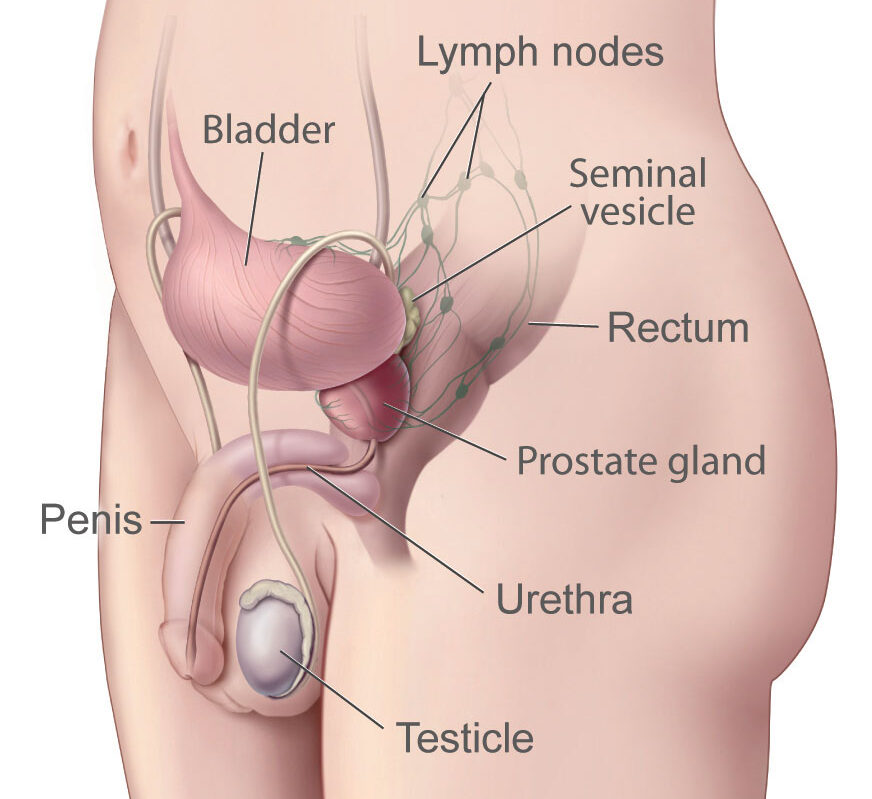
By Mark DaCosta- The prostate is a crucial part of the male reproductive system, functioning as a small but mighty gland entrusted with the production of seminal fluid, which nourishes and transports sperm. However, experts warn, it often remains underappreciated until health issues arise. This negligence can prove to be dangerous, as various ailments can affect this walnut-sized organ, from benign enlargement to life-threatening cancer. Prostate health has become an urgent public health issue in our nation, where men are urged to engage in early screenings and adopt proactive health measures.
A significant number of men in our country are unfamiliar with the ramifications of prostate complications. This gland is situated below the bladder and encircles the urethra, the canal responsible for expelling urine and semen. In simple terms, the health of the prostate is directly linked to the ability to urinate freely. With age and other risk factors, many men experience an enlargement of the prostate, known as Benign Prostatic Hyperplasia (BPH). This condition is typically non-cancerous but can lead to troublesome urinary issues such as frequent urination and difficulty starting or maintaining a steady stream.
In stark contrast is Prostate Cancer, recognised globally as the second most common malignancy affecting men. The oncological risks are alarmingly heightened for men of African descent, and familial history can also play a significant role. The advanced stages of prostate cancer often present no clear symptoms initially. Nevertheless, when it does become symptomatic, it’s often too late. “Waiting for symptoms is waiting too long,” serves as a crucial warning that men need to take seriously.
Prostate Cancer can metastasise, meaning it can move beyond the gland into nearby tissues. If left unchecked, it can result in a dire prognosis with an increased likelihood of being life-threatening. The shocking reality is that advanced-stage diagnoses are alarmingly prevalent in our nation. Statistics indicate that nearly half of prostate cancer cases are diagnosed at Stage 4, where curative measures are often ineffective. In such later stages, treatment options diminish significantly, increasing the risk of mortality.
According to experts, the situation in our country is urgent. Prostate cancer is not just a concern; it has become the leading cause of cancer-related deaths among men. The mortality rate is staggering, with approximately 41.1 deaths per 100,000 men, positioning us among the highest globally. Early detection is paramount; when prostate cancer is identified while still localised, the five-year survival rate is nearly 100 percent. This figure underscores the importance of early screening and the vast difference it can make between life and death.
Men must navigate the waters of screening with vigilance. The methods for early detection are straightforward and effective. The Prostate-Specific Antigen (PSA) blood test is a fundamental tool that measures the level of a protein secreted by prostate cells. An elevated PSA level is a significant warning signal that further investigation is crucial. Additionally, the Digital Rectal Exam (DRE), a physical examination where the doctor checks the prostate for lumps or irregularities, is also a vital component of proactive health measures.
Guidelines recommend that men commence discussions regarding prostate screening around the age of 50. However, those with increased risk factors, such as men of African descent or those with a family history of prostate conditions, should take these conversations to their healthcare provider by age 40 or 45. The fact that healthcare disparities exist in our nation only exacerbates the issue. Access to sufficient health screening and information could be improved, and men are urged not to remain silent on this crucial aspect of their health.
It is disheartening that there seems to be a lack of urgency in addressing this dire health issue among our government’s public health initiatives. Our public health authorities must prioritise prostate health, educate men on the significance of screenings, and provide the necessary resources so that no man falls victim to late-stage diagnosis. Ignorance is not strength; awareness and proactive actions can save lives.
Men must take control of their health, particularly regarding prostate issues. It is imperative to appreciate the function of the prostate and to separate the benign conditions from the malignant. By remaining informed and acting decisively, men can potentially avoid a life-threatening diagnosis. This is ultimately a personal responsibility that each man must shoulder, making the time to consult with healthcare providers not just an option but an obligation.
The emphasis must be placed on proactive measures because “your health is in your hands.” Engage in discussions about screening and take the necessary steps for early detection. In a nation where prostate cancer rates soar, we have an ethical imperative to prioritise awareness and health education, ensuring that no man lives in ignorance of such a critical issue.
*Disclaimer: This article is for informational purposes only and is not intended to be a substitute for professional medical advice, diagnosis, or treatment. Always seek the advice of a qualified healthcare provider with any questions you may have regarding a medical condition or treatment.*