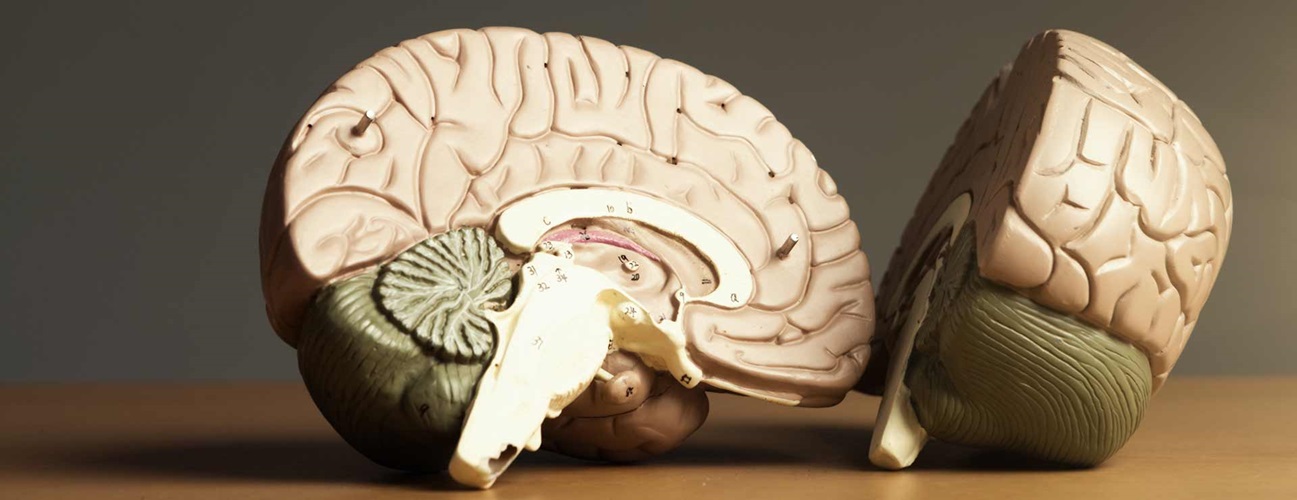
By Mark DaCosta-While most people are aware of common pathogens (disease-causing agents) like bacteria, viruses, and fungi — such as tuberculosis, the flu, and athlete’s foot, respectively — many remain unaware of a more insidious threat: prions. These abnormal proteins pose severe health risks and have sparked concern among health authorities worldwide, including in Guyana.
What are Prions?
Prions, short for ‘proteinaceous infectious particles’, are unique in the realm of pathogens. Unlike bacteria and viruses, they are not living organisms; in fact, they consist solely of abnormal and misfolded proteins. These misfolded prion proteins can induce other normal proteins in the brain to also misfold, leading to a cascade of protein disruption that ultimately results in severe brain damage. The difficulty in diagnosing prion diseases lies in the absence of genetic material, an essential component for the traditional understanding of infectious agents.
Examples of Prion Diseases
Prion diseases are usually fatal and include a group of disorders known as transmissible spongiform encephalopathies (TSEs). Some of the most notable examples are Creutzfeldt-Jakob Disease (CJD), Bovine Spongiform Encephalopathy (commonly known as “mad cow disease”), and Kuru.
1. Creutzfeldt-Jakob Disease (CJD): This rare neurodegenerative disorder affects about one in every one million people each year. CJD leads to rapid cognitive decline, memory loss, and eventual loss of bodily functions, culminating in death within months of symptom onset.
2. Bovine Spongiform Encephalopathy: This disease gained infamy in the 1990s due to outbreaks linked to the consumption of infected beef. Humans can contract a variant form known as vCJD, which has a longer incubation period but is equally deadly.
3. Kuru: This historically significant disease was observed among the Fore people of Papua New Guinea, who practised ritualistic cannibalism. Kuru was transmitted through the consumption of infected human brain tissue, leading to severe neurological symptoms and death.
The seriousness of prion diseases is exacerbated by their rapid progression and lack of effective treatments or cures, rendering them one of the most feared classes of infectious diseases.
How are Prion Diseases Acquired?
Prion diseases can be acquired through several means. The most concerning route is through the consumption of contaminated food products, especially in the case of BSE and vCJD. In regions where cattle may have been infected, consuming steak or organs can lead to transmission.
Genetic mutations can also lead to familial forms of CJD, wherein affected individuals may inherit the malformed prion protein, thus leading to a higher risk of developing the disease. Additionally, medical procedures involving contaminated surgical instruments or the use of human-derived growth hormone have been implicated in the transmission of prion diseases.
In Guyana, it is crucial to be aware of local agricultural practices and food safety measures to mitigate the risk of exposure to prions, especially in areas where cattle farming is prevalent.
How Prions Work Inside the Body
Once prions enter the body, usually through infected tissue or food, they work by triggering a chain reaction among normal proteins in the brain. The prion protein (PrP^Sc) binds to a normal, healthy protein (PrP^C) and converts it into the abnormal form. This process is self-perpetuating, leading to a gradual accumulation of misfolded proteins that ultimately damage neuronal (nerve) cells.
This accumulation of defective proteins results in spongiform changes in brain tissue, which manifest as holes or “spongy” areas in the brain matter, hence the name “spongiform encephalopathy.” The neurological impacts range from impaired cognitive function to severe motor coordination loss, leading to significant disability before the final stages of death.
Prevention Methods
Currently, there is no vaccine or specific antiviral treatment available for prion diseases, making prevention crucial. Here are some vital strategies:
1. Food Safety: In Guyana, ensuring that beef and other products come from healthy, tested animals is essential for preventing BSE. Consumers should be cautious about sourcing their meat from reputable suppliers.
2. Public Awareness Campaigns: Education on the dangers and modes of transmission of prion diseases can help communities make informed choices, especially in agricultural practices and dietary preferences.
3. Strict Regulations: Implementing stringent animal husbandry and slaughter regulations can minimise transmission risks.
While prion diseases may not be as widely known as their bacterial or viral counterparts, their potential for devastation is significant. Awareness and preventive measures can help safeguard public health, particularly among vulnerable populations in regions like Guyana. Education is key — knowing what prions are, the diseases they cause, and how they spread could potentially save lives.