Despite receiving approximately $45 billion Guyanese dollars in government funding between 2020 and 2024, the Guyana Sugar Corporation (GuySuCo) continues to grapple with severe operational and financial distress, including declining field turnout, missed production targets, and rising losses.
Since taking office in August 2020, the People’s Progressive Party/Civic government has invested heavily in the GuySuCo to revitalise the struggling sugar industry.
The total investment to date amounts to over $44.7 billion Guyanese dollars, spanning multiple national budgets and supplementary allocations:
- 2020 Emergency Budget: $7 billion was allocated, with $3 billion directed toward the phased reopening of sugar mills and another $4 billion provided later that year through supplementary funding.
- 2022 Budget: $6 billion was allocated to support GuySuCo’s operations.
- August 2022 Supplementary Funding: An additional $3.4 billion was provided for operational expenses.
- 2024 Budget: $15 billion was allocated for estate reopening, land acquisition, and revetment rehabilitation.
- 2025 Budget: $13.3 billion was budgeted for mechanization, equipment acquisition, field infrastructure rehabilitation, and construction of over 17 kilometers of all-weather roads.
Despite these substantial injections—totaling more than $44.7 billion—GuySuCo continues to face major financial challenges, including persistent losses and declining productivity.
Chief Executive Officer Paul Cheong disclosed this week that the number of cane harvesters showing up to work has steadily declined over the past five years, threatening the already fragile productivity of the state-owned entity. In 2022, only 55% of the 2,147 registered harvesters worked daily; by 2025, that figure dropped to 50% of 1,990 workers — a sign of growing disinterest in traditional agricultural labour.
Cheong insisted that low wages are not the issue. “This downward trend… reflects a deeper shift in Guyana’s labour market,” he said, pointing to a broader economic transformation driven by growth in oil and gas, construction, and services. With harvesters earning US$19–25 per day, GuySuCo remains one of the highest-paying sugar employers globally, he noted, far outpacing rates in India and parts of Latin America.
However, the financial state of the corporation continues to deteriorate. According to the 2023 preliminary audit report, GuySuCo posted a $4.7 billion loss, and 2024 is projected to be the worst production year in the company’s history. This persistent underperformance has cast doubt on the government’s 2020 election promise to revitalise the sector.
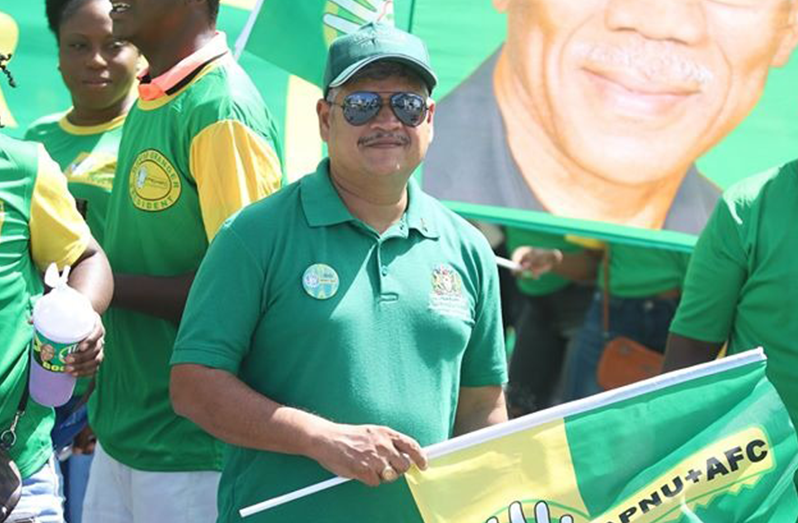
The PPP/C administration, which strongly criticised the A Partnership for National Unity + Alliance For Change (APNU+AFC) government’s 2017 plan to consolidate and close underperforming estates, pledged to reopen shuttered operations. But five years later, the promised turnaround has failed to materialise. President Irfaan Ali has now signaled a renewed focus on diversification, echoing the very strategy his party once opposed.
Meanwhile, Cheong said GuySuCo is moving ahead with mechanisation efforts to counter the labour shortfall, including introducing harvesting machines. He argued that modernizing is essential for survival, given the declining availability and interest in manual field work.
GuySuCo’s situation highlights a deeper national dilemma—balancing political patronage at the taxpayer’s expense with the hard choices required by new economic realities. Despite its historical significance, and bitter-sweet legacy, sugar’s future in Guyana may depend less on nostalgia and more on how effectively it adapts to a fast-changing labour and economic landscape.