Saturday, August 22, 2026
Village Voice News
ADVERTISEMENT
  • Home
  • News
  • Sports
  • Editorial
  • Letters
  • Global
  • Columns
    • Eye On Guyana
    • Hindsight
    • Lincoln Lewis Speaks
    • Future Notes
    • Blackout
    • From The Desk of Roysdale Forde SC
    • Diplomatic Speak
    • Mark’s Take
    • In the village
    • Mind Your Business
    • Bad & Bold
    • The Voice of Labour
    • The Herbal Section
    • Politics 101 with Dr. David Hinds
    • Talking Dollars & Making Sense
    • Book Review 
  • Education & Technology
  • E-Paper
  • Contact Us
No Result
View All Result
  • Home
  • News
  • Sports
  • Editorial
  • Letters
  • Global
  • Columns
    • Eye On Guyana
    • Hindsight
    • Lincoln Lewis Speaks
    • Future Notes
    • Blackout
    • From The Desk of Roysdale Forde SC
    • Diplomatic Speak
    • Mark’s Take
    • In the village
    • Mind Your Business
    • Bad & Bold
    • The Voice of Labour
    • The Herbal Section
    • Politics 101 with Dr. David Hinds
    • Talking Dollars & Making Sense
    • Book Review 
  • Education & Technology
  • E-Paper
  • Contact Us
No Result
View All Result
Village Voice News
No Result
View All Result
Home News

CARICOM’s food market can become high value, specialised-President Ali

- Says highly integrated food production system needed

Admin by Admin
June 15, 2023
in News
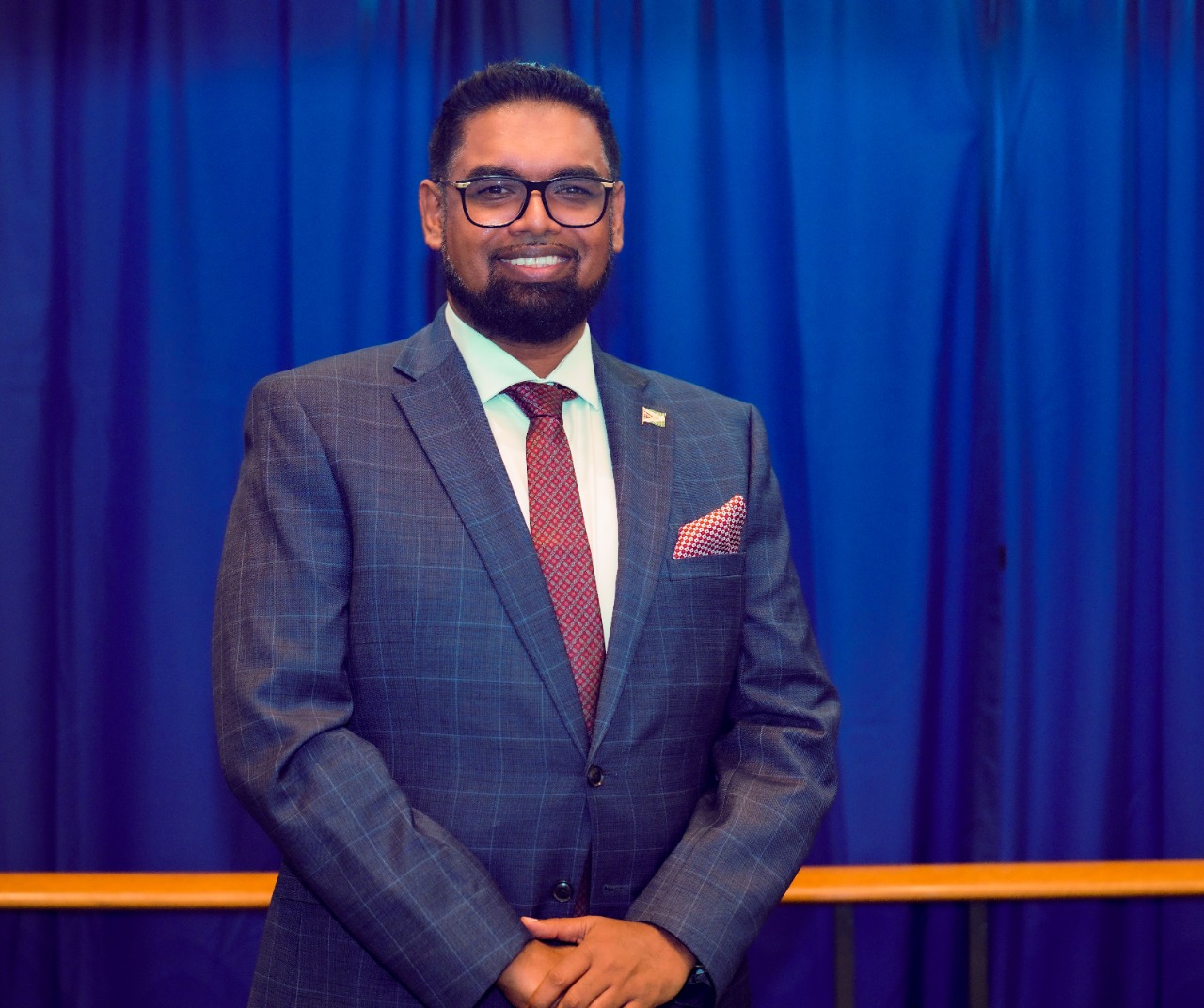
HE President Irfaan Ali

HE President Irfaan Ali

0
SHARES
0
VIEWS
Share on FacebookShare on Twitter

President Irfaan Ali said that the CARICOM Region has the competitive advantage to position its food market as high-value and specialised.

The President said that with a consensus across the region on the need to enhance food security, efforts could be made to overhaul the system and revolutionise food production.

READ ALSO

Linden Paid the Price—14 Years Later, Where Are the Promised Benefits?

Demerara Revolt: Solomon Blasts Government for Ignoring Historic Fight for Freedom

Tuesday he told investors and key enablers virtually at the Caribbean Agri-Food Investors Conference that countries need to create a structure, where agriculture production is one component of a “highly integrated food production system”.

The region, he noted, needs to think big and envision an ecosystem of development, which will amplify the production of traditional crops, enhance the growth of non-traditional crops and facilitate their rapid movement while lowering their overall production cost.  

He listed the proximity of the region to the North American market and highlighted the potential of the production of fish and shrimp (via aquaculture), honey, spices, cocoa, coffee, barley, corn, and soya, among local fruits and vegetables and non-traditional crops.

“How do we use these opportunities to create value, expand the market and produce high-value crops? Because it must be targeted, high-value crops that we’re looking at, whether it’s the very strawberries that you’re importing, the grapes that you’re importing, whether it’s the spices, green leafy vegetables, broccoli or cauliflower.”

The President explained that historically there has been “a very narrow view of agriculture that limits it to people working in a field”. He said that agriculture has changed and the opportunity is available to invest, modernise and transform.

“We’re speaking about creating a business and economic model that works; that works for the investor, works for the people and works for the country in the context of what we want to achieve, and that context is food security and to create a high-value market.”

The President explained that one of the critical issues in creating the integrated system and high-value market is transport and logistics. This, he said, has been the “greatest bugbear of interregional trade”.

“So there are tremendous opportunities in the transport and logistics aspect of the food production system, beginning from primary production to highly specialised value-added production.”

To address this, the President suggested that agricultural opportunities available in northern Brazil be examined and that the food production system be re-engineered to utilise the potential of the Portuguese-speaking nation, which can be moved through Guyana and into the Caribbean and North America.

With this option, the President said, food would be able to get to the Caribbean and further up north through Guyana in less than 72 hours. This, he explained, is only possible if there are tangible investments in the transportation, logistics and food hub ecosystem that are part of an integrated system. The existing transport system for food moving from northern Brazil to North America takes almost three weeks.

“That is the first positioning I want to put to you, what constitutes the regional food hub, the infrastructure that must come in supporting that food hub, supporting the transport and logistics opportunity, the distribution opportunity, the value-added opportunity that will come.”

The President also spoke of the need for investments in technology and modernised agriculture, training and development, infrastructure, and sustainable and resilient systems.

“The integrated food production system is changing. With technology, you can now produce the same amount of potatoes that you normally produce on 100 acres of land, on less than five acres of land.”

The region’s food import bill stands at more than US$6 Billion. Guyana holds lead responsibility for agriculture, agricultural diversification and food security in the CARICOM Quasi-Cabinet.

ShareTweetSendShareSend

Related Posts

L-R Then Region 10 Regional Chairman Sharma Solomon and then Prime  Minister Sam Hinds signing the Agreement- August 21, 2012
News

Linden Paid the Price—14 Years Later, Where Are the Promised Benefits?

by Admin
August 21, 2026

Fourteen years after the people of Linden staged a 33-day protest that forced the Government to reverse a controversial electricity...

Read moreDetails
Sharma Solomon MP (APNU)
News

Demerara Revolt: Solomon Blasts Government for Ignoring Historic Fight for Freedom

by Admin
August 21, 2026

More than two centuries after thousands of enslaved Africans rose against the brutal plantation system in Demerara, the legacy of...

Read moreDetails
News

GRSI Makes Aviation History, Opens New Lifeline to Guyana’s Hinterland

by Admin
August 21, 2026

A new chapter has opened in Guyana’s aviation history with Guyana Rotorcraft Services Inc. (GRSI) becoming the first domestic aviation...

Read moreDetails
Next Post

Mayor pays visit to City Hall Building to inspect renovation work


EDITOR'S PICK

Regional Oil and Gas Bonanza and the 25×2025 Food Import Reduction Imperative 

June 10, 2022

Impunity of the Protected: How Political Patronage Undermines Guyana’s Rule of Law

November 17, 2025
Member of Parliament Nima Flue-Bess

THE LACK OF PROFESSIONALISM AND NEGLIGENCE ARE RESPONSIBLE FOR THE DEATH OF JOEL ADAMS

July 13, 2024
Guyana School of Agriculture graduate, Ms. Kelshine Griffith, who now owns Shine Agri Manufacturing, stands beside a display of her pilot agro-processing product, boxed Sweet Potato Cake Mix. (Guyana Chronicle photo)

ExxonMobil plugs $10M into GMSA digital platform to promote agro-processing sector 

August 28, 2020

© 2024 Village Voice

No Result
View All Result
  • Home
  • News
  • Sports
  • Editorial
  • Letters
  • Global
  • Columns
    • Eye On Guyana
    • Hindsight
    • Lincoln Lewis Speaks
    • Future Notes
    • Blackout
    • From The Desk of Roysdale Forde SC
    • Diplomatic Speak
    • Mark’s Take
    • In the village
    • Mind Your Business
    • Bad & Bold
    • The Voice of Labour
    • The Herbal Section
    • Politics 101 with Dr. David Hinds
    • Talking Dollars & Making Sense
    • Book Review 
  • Education & Technology
  • E-Paper
  • Contact Us

© 2024 Village Voice