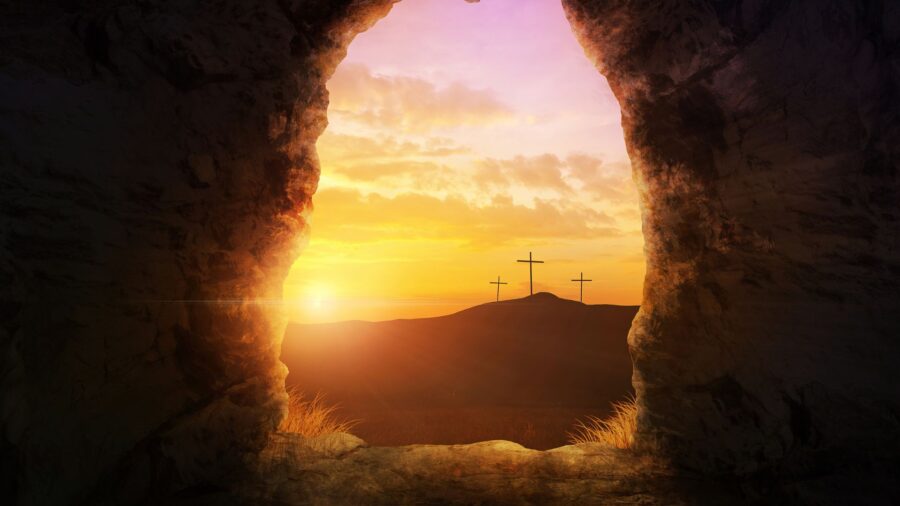
Easter Sunday stands as the most sacred and defining moment in Christianity—a day that commemorates the resurrection of Jesus Christ, an event believers hold as the cornerstone of their faith. According to Christian teaching, Jesus rose from the dead three days after his crucifixion in Jerusalem, where he had been executed and buried in a tomb outside the city walls.
At dawn on the third day, women followers—most notably Mary Magdalene, along with Mary the mother of James and others—went to the grave to anoint his body, only to find the stone rolled away and the tomb empty, a discovery that anchors the Christian proclamation of the resurrection.
The events leading to the crucifixion remain central to the Easter narrative. Jesus was arrested after the Last Supper, following his betrayal by Judas Iscariot, and brought before Jewish religious authorities. He was subsequently handed over to the Roman governor, Pontius Pilate, who authorized his execution by crucifixion under mounting pressure—an act historically reserved for those seen as threats to public order.
Beyond its biblical account, the significance of Easter lies in its profound theological weight. The resurrection is viewed not only as proof of Christ’s divinity but as the fulfillment of divine promise—offering redemption from sin and the assurance of eternal life. This belief transforms Easter from a historical remembrance into a living expression of faith that has shaped Christian doctrine, worship, and moral outlook across centuries.
At the same time, Easter carries a universal human message that transcends doctrine. It speaks to renewal, resilience, and the enduring possibility of restoration—even in the face of suffering and loss. In a world often marked by uncertainty and hardship, Easter Sunday endures as a powerful declaration that hope is justified, renewal is possible, and life—ultimately—prevails.
Sources:
Encyclopaedia Britannica
History.com