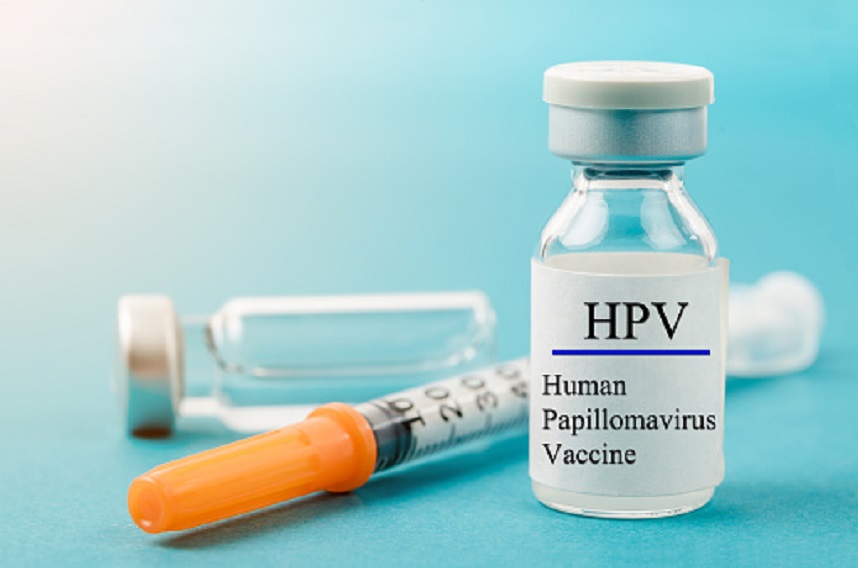
By Mark DaCosta-The Government of Guyana has announced an aggressive push to vaccinate at least 60,000 people against the Human papillomavirus infection (HPV) in the coming weeks, as health authorities intensify efforts to reduce cervical cancer and improve national immunisation coverage.
The target was outlined by Health Minister Frank Anthony during the launch of Caribbean Vaccination Week 2026 at the Umana Yana on April 25, where he stressed the urgency of closing the gap in HPV vaccine coverage across the country.
According to Dr. Anthony, the vaccination campaign forms part of a broader national public health strategy aimed at reducing preventable diseases and extending vaccine access across all regions, particularly in vulnerable and remote communities.
“We want to make this happen because we can protect people from dying from cervical cancer…I am looking for at least 60,000 people being vaccinated,” Anthony said.
The minister noted that while Guyana has achieved more than 95 per cent vaccination coverage for several other antigens, HPV coverage remains at 69 per cent — below the 90 per cent threshold recommended by international health agencies for effective disease elimination.
He said continued public education, community outreach and improved access to vaccines will be key to increasing uptake.
The renewed push comes amid ongoing concern over cervical cancer, which remains one of the leading preventable causes of death among women globally.
Health officials say more than 40,000 women die from cervical cancer annually across the Americas, with women in the Caribbean being three times more likely to die from the disease than women in North America, despite the availability of highly effective vaccines.
HPV is a group of more than 200 related viruses, some of which are linked to several forms of cancer, particularly cervical cancer. Medical experts estimate that nearly 99 per cent of cervical cancer cases are caused by persistent infections with high-risk HPV strains.
Globally, the World Health Organization estimates that about 660,000 women were diagnosed with cervical cancer in 2022, with approximately 350,000 deaths, most of them occurring in low- and middle-income countries.
Vaccination remains one of the most effective tools for prevention.
Vaccines such as Gardasil 9 target the strains most commonly associated with cervical cancer and genital warts, and are most effective when administered before exposure to the virus, usually between ages 11 and 12.
Countries with high HPV vaccination rates have recorded significant declines in HPV infections and cervical pre-cancer cases, reinforcing the vaccine’s effectiveness when paired with regular screening.
Dr. Anthony also pointed to investments by the government to strengthen vaccine delivery systems, including solar-powered refrigeration units, expanded storage capacity and improved transportation logistics aimed at reaching hinterland and riverine communities.
Those improvements, he said, are intended to ensure vaccine availability across the country, regardless of geography.
The Health Ministry’s expanded vaccination drive is part of Guyana’s wider immunisation strategy and regional commitments under Caribbean Vaccination Week, which seeks to improve vaccine equity and strengthen protection against preventable diseases.
Health authorities are expected to intensify outreach in schools, health centres and communities in the coming weeks as Guyana moves to close the HPV vaccination gap and strengthen its fight against cervical cancer.