A Partnership for National Unity (APNU) Member of Parliament Nima Flue-Bess is raising sharp concerns over the Government of Guyana’s decision to stage this year’s Independence flag-raising ceremony at Fort Zeelandia, warning that national celebration must not come at the expense of historical preservation.
In a strongly worded statement titled “Preservation Versus Recognition: A Question of Priorities at Fort Zeelandia,” Flue-Bess said the move has sparked an important national debate over whether the country is truly safeguarding its heritage or merely using it for symbolic recognition.
The government has announced plans to host its Independence Jubilee flag-raising ceremony at Fort Zeelandia as Guyana marks its 60th anniversary of independence on May 26, a symbolic national milestone.
But Flue-Bess argued that the choice of venue raises serious questions about the treatment of one of Guyana’s most historically significant sites.
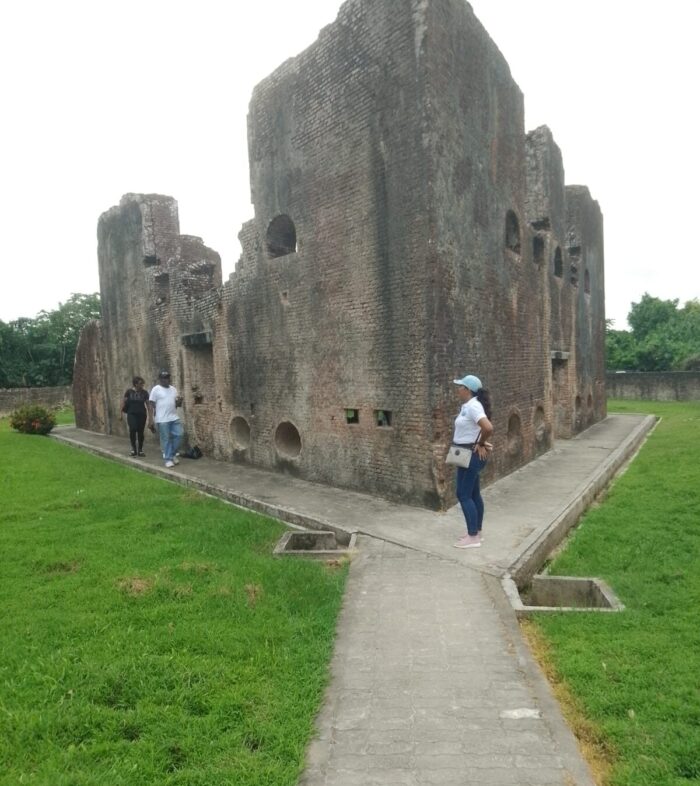
Fort Zeelandia is one of Guyana’s oldest surviving Dutch colonial structures, located on Fort Island in the Essequibo River. The brick fort, completed in 1744, replaced an earlier wooden fort and served as the administrative and military centre of the Dutch colony of Essequibo after replacing Fort Kyk-Over-Al as the capital. Built through the labour of enslaved Africans, the site was declared a national monument in 1999 and remains on UNESCO’s tentative World Heritage list, underscoring its historical and cultural significance.
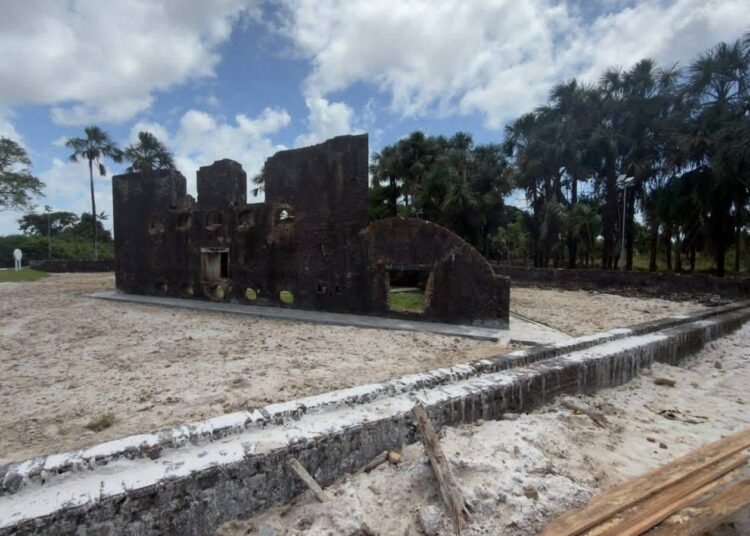
“Fort Zeelandia is not just a picturesque landmark; it is a site deeply embedded in Guyana’s colonial past,” Flue-Bess said, noting that the fort was constructed between 1739 and 1744 through the forced labour of enslaved Africans.
Citing historian Vere T. Daly and his book A Short History of the Guyanese People, Flue-Bess noted that the fort was built as a heavily fortified military structure, designed to withstand cannon fire and protected by surrounding mangroves — features she said form part of its historical and environmental integrity.
Her concerns centre on reports of excavation and land clearing in preparation for the national event.
According to the opposition parliamentarian, the use of heavy machinery in and around the site could threaten buried archaeological artefacts, many of which may remain undocumented.
“Disturbance of the soil may lead to the loss of buried artifacts — some known, many possibly undiscovered — thereby erasing irreplaceable pieces of our past before they are even documented,” she warned.
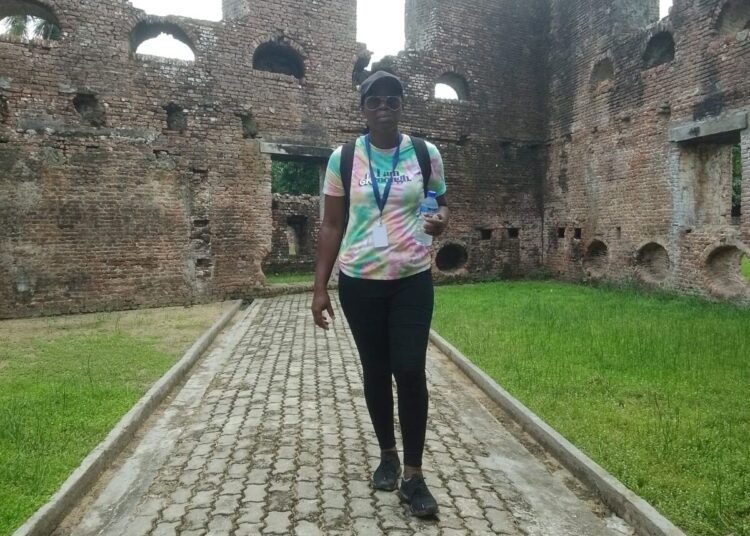
Flue-Bess also pointed to the environmental implications, particularly the disturbance of mangroves surrounding the site.
She argued that the mangrove ecosystem has long acted as a natural barrier against coastal erosion and flooding and that any disruption could accelerate the degradation of the monument itself.
“What may appear as short-term beautification or accessibility improvements could, in fact, accelerate the deterioration of the very monument being showcased,” she said.
The government has defended its wider Independence Jubilee activities as part of efforts to promote tourism, heritage appreciation and national pride.
But Flue-Bess challenged the sustainability of that approach if preservation standards are compromised.
“Tourism built on compromised heritage is unsustainable,” she argued, adding that in pursuing “recognition and spectacle,” the country risks undermining the very assets that make Guyana culturally distinct.
Her statement also questions whether proper archaeological assessments, environmental impact studies and consultations with heritage experts were undertaken before works began.
“Development and celebration should not come at the cost of preservation,” Flue-Bess stated, calling for greater transparency and public accountability on decisions affecting national patrimony.
Flue-Bess said that as Guyana commemorates six decades of nationhood, the country must reflect not only on progress made, but on how it protects the legacy of its past.
“Fort Zeelandia deserves more than to be a backdrop for ceremony — it deserves protection, respect, and careful stewardship,” she said.
Her intervention adds to a broader national conversation about how Guyana balances modern development, tourism expansion and heritage conservation in an era of rapid transformation driven by oil wealth.
At the centre of that debate, Flue-Bess argues, is a simple but urgent question: whether Guyana will preserve its history for future generations or allow it to be gradually eroded in the name of progress.