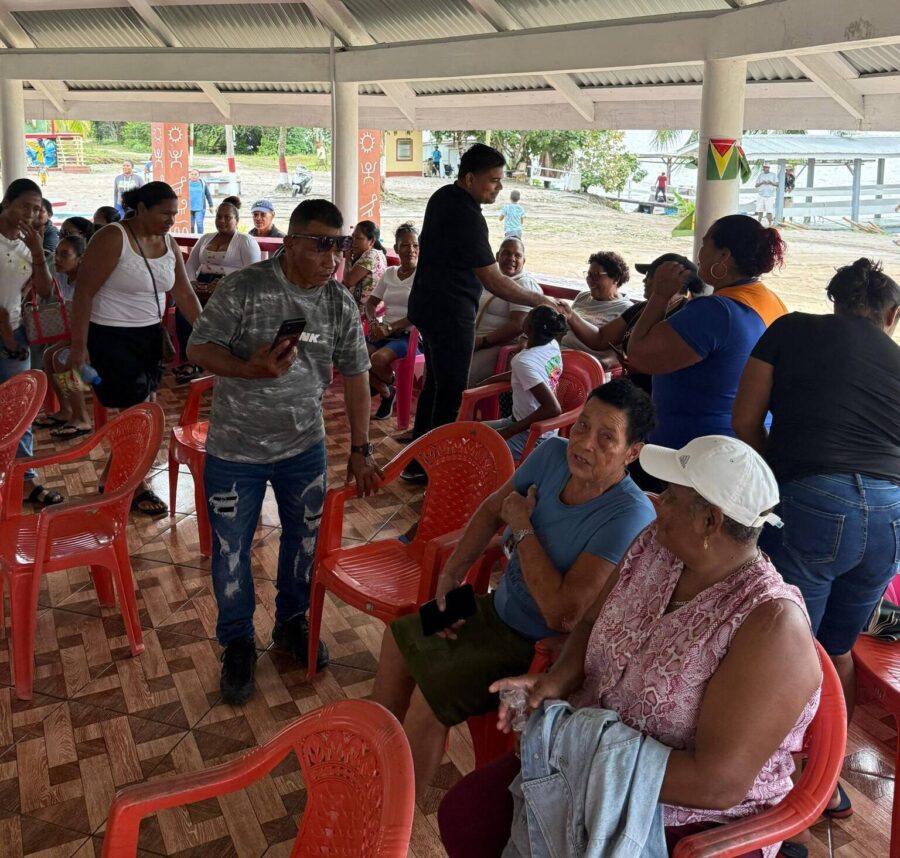
By Mark DaCosta-The Leader of the Opposition, Azruddin Mohamed, and a delegation from the We Invest in National Unity (WIN) party conducted a visit to the area. This engagement underscores urgent calls for improvement across various sectors, including healthcare, education, and basic infrastructure, drawing attention to the neglect experienced under the current administration.
The visit to River’s View, a community emblematic of the struggles besetting Region 10, revealed a tale of adversity. Residents voiced a variety of concerns that reflect not only their immediate hardships but also the systemic failures of governance that have long plagued this vital part of our nation.
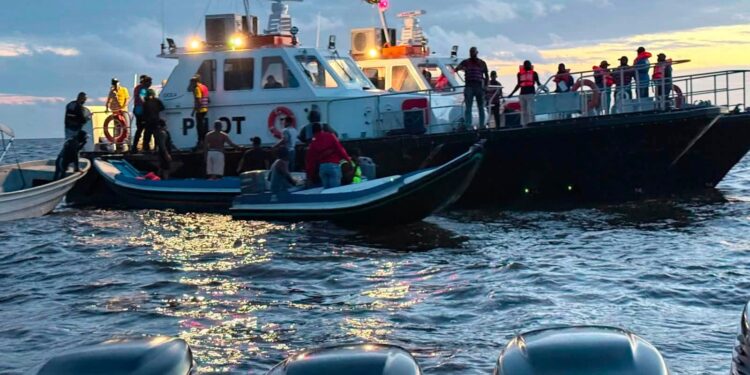
The inadequate healthcare facilities left many community members grappling with insufficient care, particularly as the health post in Rivers View requires significant expansion alongside updates to its equipment. Furthermore, the residents of Falmouth highlighted the dire need for a water ambulance, which could drastically enhance emergency response capabilities in a region where access to timely medical intervention is critical.
Equally alarming is the educational landscape in the area. At Falmouth Primary and Nursery School, the feeding programme supports just 75 of the 96 enrolled students, forcing the school to rely on credit for groceries. The high transportation costs due to Falmouth’s remote location makes the problems worse.
Moreover, a severe shortage of qualified teaching staff — only eight out of a necessary fifteen — reduces the quality of education and puts students’ futures at risk. The conditions at Holy Name Nursery School further underline the neglect, with its kitchen doubling as a sickbay and situated next to washrooms, raising health concerns.
Land ownership remains a significant barrier for many residents, preventing them from accessing necessary housing subsidies. Although the Neighbourhood Democratic Council (NDC) obtained a community land title in 2005, the exclusion of riverside lands exacerbates the situation. This lack of legal recognition slows development, generating displacement fears as residents are pressured to relocate inland.
The dire state of electricity and infrastructure presents additional challenges, with many households relying on personal generators for power. The community’s call for officials to extend the solar farm project to individual homes remains unmet, leaving the darkness hanging over the community each night. Furthermore, the demand for improved street lighting reflects the residents’ fears for safety and security, reinforcing the impression that basic needs are consistently overlooked.
Access to clean water is another pressing issue in Region 10, with existing wells insufficient to cater to the growing population. As families expand, the absence of a new well compounds the struggle for this essential resource, forcing many to rely on potentially unsafe alternatives.
Transportation woes deepen the challenges faced by families. The poor quality of roads, primarily made up of mud and sand, has resulted in alarming dropout rates among schoolchildren, as many find it difficult travel. In communities like Burn Bush, such conditions translate to a significant burden on families, who often find themselves unable to afford the necessary transportation costs.
The plight of pensioners in the region is equally distressing. Many must travel to Bartica to collect their pension payments or endure long waits for their deliveries, an ordeal that adds unnecessary hardship to the lives of retirees who have already dedicated their years to serving the nation.
Youth and sports development have unfortunately not escaped the overshadowing neglect either. The absence of proper sports equipment hampers potential programmes aimed at engaging the youth, crucial for fostering community integration and personal development.
Compounding these numerous issues is the dissatisfaction with government projects that lack proper consultation. Residents lament that initiatives often do not align with community needs, leading to wasted resources and unfulfilled promises. Azruddin Mohamed emphasised this point, asserting, “government projects are often implemented without proper consultation,” which results in failures that underscore a lack of engagement from the authorities.
As the Leader of the Opposition, Mohamed’s call for immediate government intervention resonates deeply with the sentiments of Region 10’s residents. This situation highlights the critical need for a shift in approach, prioritising genuine consultation and allocation of resources to enhance healthcare, education, and infrastructure. The WIN party asserts that the citizens of Rivers View, and by extension, all of Region 10, deserve equitable development and tangible improvements that have long been denied, leaving them to navigate an uncertain future.
In a region so crucial to our nation’s economy — home to the bauxite industry and surrounded by diverse demographics — the voices of these residents must be heard.