By Mark DaCosta- In the wake of our nation’s newfound riches from oil production, a grim reality persists for many citizens, who find themselves grappling with unfulfilled promises and deteriorating living standards. Rather than basking in the glow of economic growth, countless families experience daily struggles, questioning the benefit of our resources amidst escalating prices and stagnant wages.
Six years have passed since the first barrels of oil began flowing, yet the initial optimism has given way to cynicism. The wealth generated by oil should transform our nation into a thriving hub of opportunity and prosperity, yet statistics indicate a troubling reality: poverty rates have swelled to an alarming 58 percent, a stark contrast to the 48 percent rate recorded when the People’s Progressive Party (PPP) regained office in 2020. These figures highlight a betrayal of the very populace that the government pledged to uplift.
Lincoln Lewis, the prominent trade unionist and General Secretary of the Guyana Trades Union Congress, points out the striking disconnect between the government’s proclamations of wealth and the experience of ordinary citizens. Lewis articulates the challenge faced by many Guyanese who now feel like “second-class citizens in their own land.” The government, he argues, is seemingly fixated on catering to a select few, leaving the vast majority to fend for themselves on an increasingly fragile economic landscape.
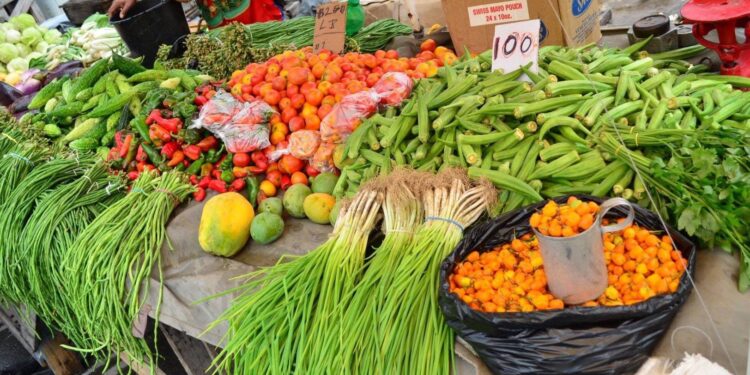
The spikes in prices for essential goods such as flour, rice, and meat have compounded this crisis. Many families are left with the heart-wrenching dilemma of choosing between meal options or vital medical treatments. The promise made by President Irfaan Ali of a $200,000 cash grant for every adult before Christmas remains unfulfilled, only adding to the frustrations of a populace yearning for genuine change.
Despite the nation’s vast reserves and the influx of capital, the ordinary citizen struggles under the weight of high living costs and stagnant wages. Workers in public sector unions, who should be negotiating for improved livelihoods, find themselves ignored and sidelined in collective bargaining processes. As highlighted by the Inter-American Development Bank, a nation cannot flourish when its workforce is left vulnerable and without adequate support. Yet, this concern appears to be falling upon deaf ears within the PPP’s corridors of power.
Even in the face of hardship, our people continue to demonstrate remarkable resilience. Many are finding ways to cut back on expenses and make sacrifices to celebrate the festive season. This spirit of perseverance reflects an enduring hope that, one day, the government will prioritise the needs of its citizens and ensure that the wealth derived from our natural resources benefits all, rather than a privileged few. Those who draw inspiration from the tale of Christ with two loaves and five fishes exhibit an undeniable strength, determined to share whatever little they have amidst growing challenges.
Our constitution guarantees fundamental rights to work, fair wages, and a dignified life, all backed by international conventions. However, the reality today stands in stark contrast to those principles. Divides within society, coupled with widespread hardship, have grown during these years of oil production, generating a sense of despair and frustration among citizens who once looked to their government for support, Lewis highlights.
It is abundantly clear, Lewis asserts, that the current administration’s approach concentrated wealth and opportunity in the hands of a few, leaving countless individuals struggling. With each passing day, the quantity of oil extracted grows, yet the average citizen sees little relief from their financial burdens and hardships. High taxation on essential goods amidst promises of economic inclusion underscore a government that has lost sight of its responsibility to the people it serves.
As social and economic inequalities widen, the stark reality becomes a call for awakening. The citizens of our nation deserve a government that not only speaks of growth and prosperity but also acts to fulfil that promise, the trade unionist emphasises. Only through genuine leadership, economic inclusivity, and an unwavering commitment to the well-being of our people can we hope to ensure that our nation’s exhaustion of resources translates into tangible improvements in the quality of life for all.
According to Lincoln Lewis, until that pivotal change occurs, our vast wealth will remain a cruel illusion, leaving the majority to navigate an unpredictable and precarious future in a country rich in resources but sorely deficient in genuine state support. It is time for our leaders to realise that their people deserve more than promises and rhetoric; they deserve action, dignity, and a fair chance at a prosperous life.