Since the start of oil production in late 2019, Guyana has amassed roughly US $6.2 billion in total oil revenues, including profit oil and royalties, deposited into the Natural Resource Fund. In 2022, revenues reached about US $1.1 billion, rising sharply to US $2.6 billion in 2024. By mid‑2025, the government had already collected over US $800 million, reflecting the rapid growth of the country’s oil wealth in just six years.
Yet, this extraordinary macroeconomic growth has done little to translate into tangible improvements in the lives of ordinary Guyanese. According to this year’s Inter-American Development Bank’s report Ten Findings about Poverty in Latin America and the Caribbean, an estimated 58% of Guyanese live in poverty, surviving on less than US$6.85 per day. This adjustment reflects Guyana’s recent status as a middle-income country, which moved the poverty line from US$5.50 to US$6.85 per day. Meanwhile, 32% of the population lives in extreme poverty, subsisting on under US$3.65 daily. These figures place Guyana among the countries with the highest poverty rates in the region, despite its booming oil sector.
Professor Dr. Shamir Ally, writing in his column on November 29, emphasised that “True wealth in Guyana goes beyond Gross Domestic Product (GDP); it should be about enhancing the quality of life for all Guyanese. Government must prioritise metrics that capture well-being, health, education, and environmental sustainability to build a prosperous future for everyone.” He argued that while GDP measures total economic output, it does not reflect Gross National Income (GNI) or the real quality-of-life improvements for citizens. Ali stressed: “Guyana’s wealth should not be measured just by GDP, but by GNI, and the quality-of-life Guyanese enjoy.”
Veteran trade unionist Lincoln Lewis, General Secretary of the Guyana Trades Union Congress (GTUC), has repeatedly called for oil revenues to be re-invested directly into the people, citing the World Bank’s framework that cash transfers act as a safety net for the poor and vulnerable. These programmes, Lewis notes, can take multiple forms, including conditional cash transfers, fee waivers for health and education, school feeding programmes, microfinance, public works, and other subsidies—all designed to increase real income for low-income households. He pointed out that while Guyana has provided some cash transfers since independence, there is a pressing need to expand and systematise these mechanisms to ensure broad-based economic development.
The GTUC has proposed an 11-point plan since 2019, targeting workers past, present, and future, with an emphasis on equity and inclusivity. Yet promises remain largely unfulfilled.
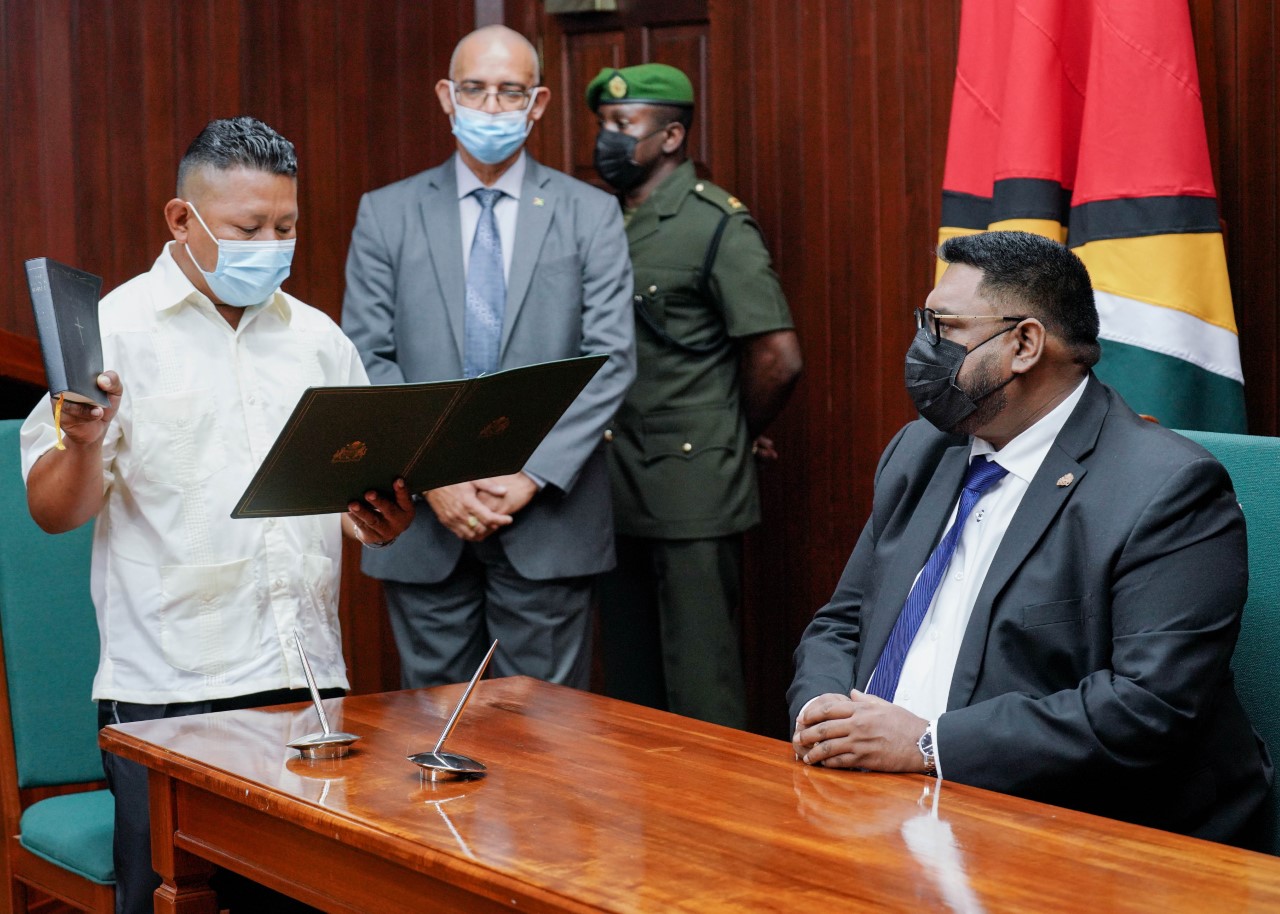
During the 2025 election campaign, the People’s Progressive Party/Civic (PPP/C) pledged a $200,000 cash grant to each adult for Christmas if re-elected. President Irfaan Ali has since sought to walk back this promise, highlighting a persistent gap between political rhetoric and the realities facing ordinary Guyanese.
Without a strategic and people-centered approach, Guyana’s oil windfall risks leaving most citizens behind. Experts and labour leaders suggest that expanding cash transfer programmes, investing in universal health and education, and creating targeted social protection schemes are essential to turn oil revenues into tangible improvements in quality of life. As Professor Ali and Lincoln Lewis emphasise, measuring success through GDP alone is insufficient—true development will be seen only when the wealth generated from oil translates into better livelihoods, reduced poverty, and opportunities for all Guyanese.
Unfortunately as Guyana’s oil wealth continues to surge the majority of its population remains mired in poverty. Analysts and labour leaders alike warn that without concrete policies to channel these revenues into health, education, social protection, and broader human development, the country risks turning its unprecedented natural resource boom into a story of inequality rather than shared prosperity.