The Caribbean Public Health Agency (CARPHA) has marked a significant milestone in strengthening regional health security with the successful hosting of two unprecedented regional workshops aimed at promoting healthier and safer cruise tourism in the Caribbean.
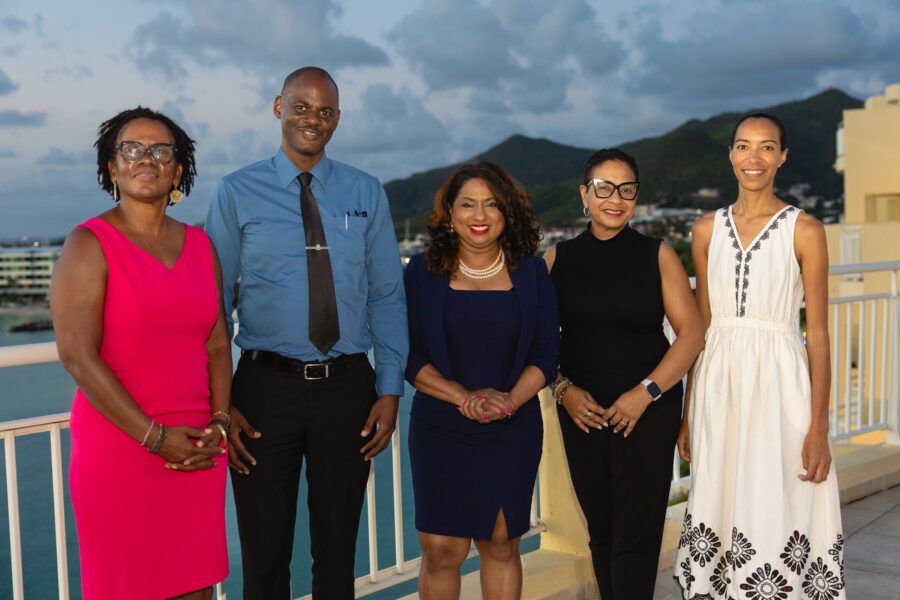
Held from September 11–12 at the Simpson Bay Resort in Sint Maarten, the back-to-back workshops brought together more than 50 delegates from 14 CARPHA Member States (CMS), four major cruise corporations representing 10 cruise brands, the Florida-Caribbean Cruise Association (FCCA), and the Pan American Health Organisation (PAHO).
The workshops focused on two core themes: implementation of CARPHA’s Caribbean Vessel Surveillance System (CVSS) — a digital, early warning tool for detecting illnesses aboard cruise ships — and developing stronger public-private partnerships to safeguard both tourists and residents from infectious disease threats. These initiatives were supported by funding from the Pandemic Fund Grant and the 11th EDF Programme of Support for Health Security Strengthening.
CVSS Phase II: A Leap Forward in Maritime Health Surveillance
With cruise tourism making up nearly two-thirds of all visitors to the Caribbean — and 33.3 million cruise arrivals recorded in 2024 — CARPHA’s upgraded CVSS platform is a vital step in modernising disease surveillance. The new CVSS web application allows countries to upload data from the Maritime Declaration of Health (MDH) directly, triggering automatic alerts when illness thresholds are surpassed. These real-time alerts give national authorities early notice of potential public health threats before ships arrive, enabling quicker, more coordinated responses.
During Workshop 1, CMS representatives — including five Chief Medical Officers and other senior health officials — reviewed the CVSS system, developed draft minimum regional guidelines for cruise ship health and safety, and shared experiences from countries that piloted the tool.
Workshop 2 extended the conversation to cruise industry stakeholders, where discussions focused on the challenges of MDH submission, communication between ship and port health authorities, and collaborative standards for safer tourism. Participants praised CARPHA’s initiative in fostering open dialogue and practical collaboration.
Leaders Call for Integration of Health and Tourism
CARPHA Executive Director, Dr. Lisa Indar, underscored the importance of a unified response across sectors:
“The health of the Caribbean region is the wealth of the region; and it is deeply interconnected with tourism. Safeguarding the health of the region involves both the local and visitor populations… and thus cannot be done by health alone, but as a shared responsibility.”
Sint Maarten’s Deputy Prime Minister and Minister of Tourism, Economic Affairs, Transport and Telecommunication, Hon. Grisha S. Heyliger, echoed that sentiment:
“A weak public health system puts tourism at risk… we must adopt what CARPHA has wisely advocated for – an integrated approach to tourism and health.”
Minister of Public Health, Social Development and Labour, Hon. Richinel Brug, added:
“Protecting tourism means protecting health, and protecting health means saving the very stability of our societies.”
Key Outcomes of the Workshops
- Consensus among CARPHA Member States to adopt the CVSS tool as the regional standard.
- Development of draft minimum guidelines for healthier, safer cruise tourism.
- Strengthened public-private partnerships with cruise lines.
- Commitment to real-time collaboration for faster response to health events.
Other practical next steps include the creation of contact listings for better communication between stakeholders, quarterly coordination meetings, and eventual interoperability between CVSS and other maritime or surveillance platforms.
Sint Maarten Launches Region’s First Tourism and Health Programme
Alongside the workshops, CARPHA and the Government of Sint Maarten officially launched the Tourism and Health Programme (THP), making Sint Maarten the first Dutch Caribbean country to adopt the initiative. The THP is the world’s first comprehensive program that links tourism and public health through systems like the CVSS and the Tourism and Health Information System (THiS) for stay-over visitors.
Hon. Richinel Brug emphasised the value of this early warning system:
“With tools like the Tourism and Health Information System and the Caribbean Vessel Surveillance System, we will no longer be acting after outbreaks occur.”
Director of Tourism, Ms. May Ling Chun, called the programme “a commitment” to data sharing, training, and strengthened surveillance:
“When public health falters, tourism falters. When public health is strong, our destination thrives.”
CARPHA’s Dr. Indar concluded:
“This launch represents not just a milestone for Sint Maarten, but a testament to the collaborative spirit that fuels our region’s progress in public health and tourism. Healthy and safe tourism is not optional – it is essential for resilient economies.”
Looking Ahead
With cruise traffic in the Caribbean continuing to rise, the workshops and the THP launch mark a significant shift toward proactive, integrated, and data-driven public health responses in one of the world’s most tourism-dependent regions. As FCCA CEO Michele Paige noted:
“The future lies in standing side by side with our partners… ensuring a stronger, healthier, safer and more prosperous Caribbean.”
CARPHA’s leadership in convening these critical discussions — and its continued drive to fortify regional health systems — signals a new era of resilience for Caribbean tourism