Arnica
Arnica montana; Leopard’s bane
Arnica (Arnica montana) has been used for medicinal purposes since the 1500s and is still popular today. Applied to the skin as a cream, ointment, liniment, salve, or tincture, arnica has been used to soothe muscle aches, reduce inflammation, and heal wounds. It is commonly used for injuries, such as sprains and bruises. As an herb, arnica is usually used topically (on the skin) because it can cause serious side effects when taken by mouth. Oral homeopathic remedies do contain arnica, but they use a diluted form that is not considered dangerous. If you have any question about whether you have the herbal or homeopathic form of arnica, talk to your doctor.
Plant Description
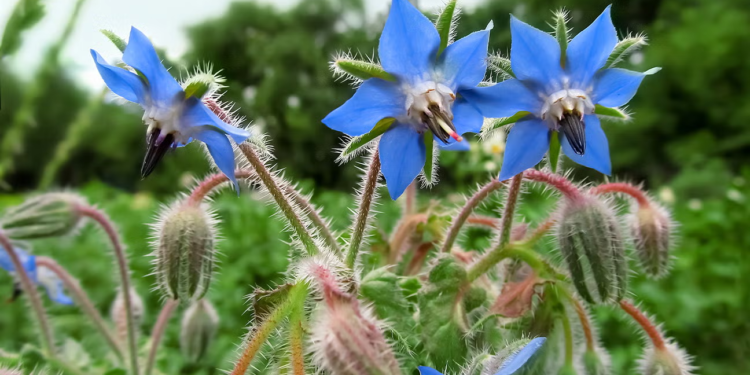
Arnica is a perennial that grows to a height of 1 to 2 feet with yellow-orange flowers similar to daisies. Stems are round and hairy, ending in 1 to 3 flower stalks, with flowers 2 to 3 inches across. Leaves are bright green. The upper leaves are toothed and slightly hairy, while lower leaves have rounded tips. It is native to the mountains of Europe and Siberia, and is cultivated in North America.
Parts Used
Fresh or dried flower heads are used in medicinal preparations.
Medicinal Uses and Indications
- Arnica is used topically for a wide range of conditions, including bruises, sprains, muscle aches, wound healing, superficial phlebitis, joint pain, inflammation from insect bites, and swelling from broken bones. More recent studies suggest it may also be helpful in the treatment of burns.
- Homeopathic preparations are also used to treat sore muscles, bruises, and other conditions caused by overexertion or injury. Homeopathic doses are extremely diluted. They have no detectable amount of the plant in them and are generally considered safe for internal use when taken according to the directions on the label.
Available Forms
Arnica is available in topical creams and ointments. It is most commonly found as a tincture, which can also be used as the base for compresses and poultices. Arnica oil may also be used in topical preparations.
A number of homeopathic remedies are available in pill, topical, or injectable forms.
How to Take It
You should not take arnica by mouth without direct medical supervision, except in an extremely diluted form as a homeopathic remedy, because side effects may be severe (see “Precautions”).
Use homeopathic products according to directions on the label or the advice of your homeopathic practitioner. Health care providers may give homeopathic preparations by injection.
When using arnica topically, never apply it to an open wound without a doctor’s supervision.
Pediatric
You may also use homeopathic preparations to treat bruising, swelling, and trauma to soft tissues. Follow the dosage instructions on the product label or consult a licensed homeopath. Use only in homeopathic formulations. DO NOT use the herb itself.
Adult
Commercial preparations of creams, ointments, and lotions are available through some specialty stores and natural health providers. Homeopathic preparations are widely available at health food stores and many pharmacies.
Precautions
Arnica is generally safe when used on the skin. However, using it for a long time may irritate the skin, causing eczema, peeling, blisters, or other skin conditions. Arnica should not be used on broken skin, such as leg ulcers. In one study, researchers found that arnica used topically increased leg pain 24 hours after participants performed calf exercises. Also, people who are hypersensitive or allergic to the herb should avoid it.
Arnica is rarely used as an internal herbal remedy because it can cause dizziness, tremors, and heart irregularities. It may also irritate mucous membranes and cause vomiting. Large doses can even be fatal. DO NOT take arnica by mouth except under close supervision of your doctor. You can generally take homeopathic remedies, which use extremely small amounts of arnica, safely.
If you are pregnant or breastfeeding, avoid taking arnica, and ask your doctor before using it on your skin. Talk to your doctor before taking any medication, including herbs.
Possible Interactions
When used topically or in a homeopathic remedy, there are no known interactions with arnica and conventional medications. (MountSinai.org)