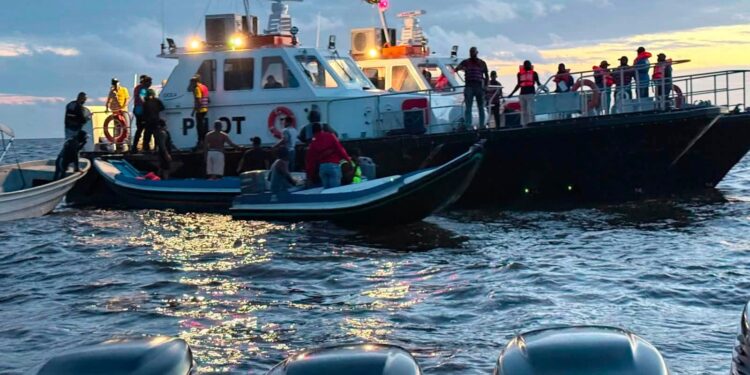
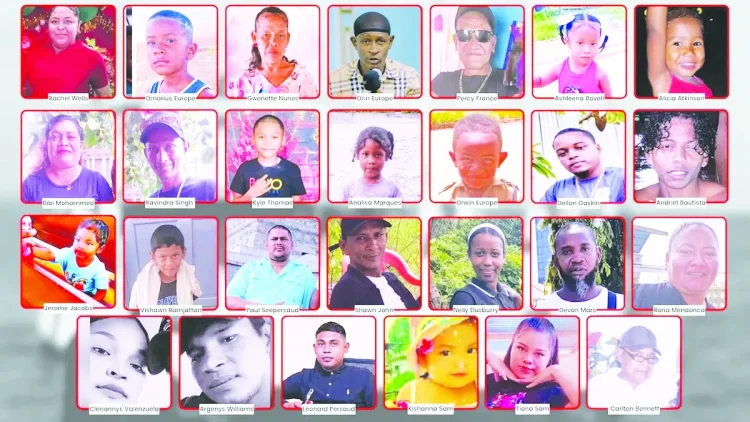
Seventy-three lives have been lost, 76 people survived and at least 30 remain unaccounted for, but more than two months after the MV Barima sank, the families left behind are still waiting for answers about what happened and why.
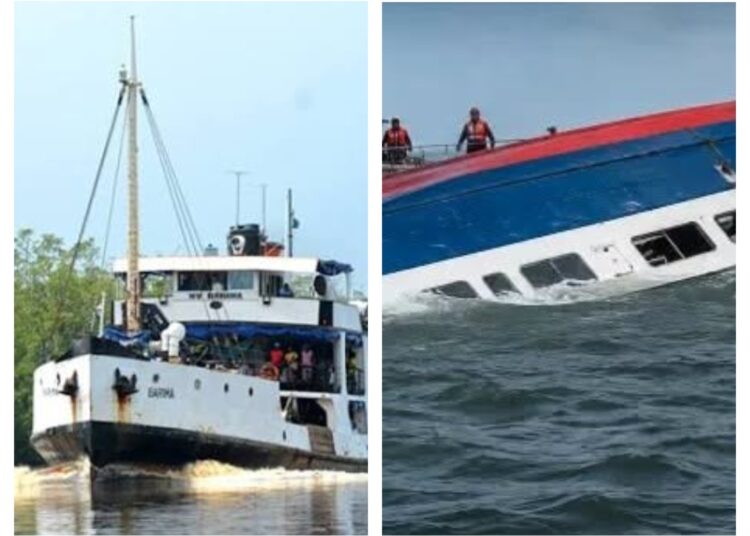
The 87-year-old state-owned passenger and cargo vessel sank on July 18, 2026, while travelling from Georgetown to Port Kaituma. What began as a maritime disaster has since developed into a criminal investigation, a Commission of Inquiry and continuing demands from grieving families for greater transparency and the recovery of the wreck.
The scale of the disaster itself remains striking. Prime Minister Mark Phillips told the National Assembly that authorities ultimately determined that 179 passengers and crew were aboard, despite many not appearing on the official passenger manifest.
That discrepancy has become one of the central questions surrounding the tragedy.
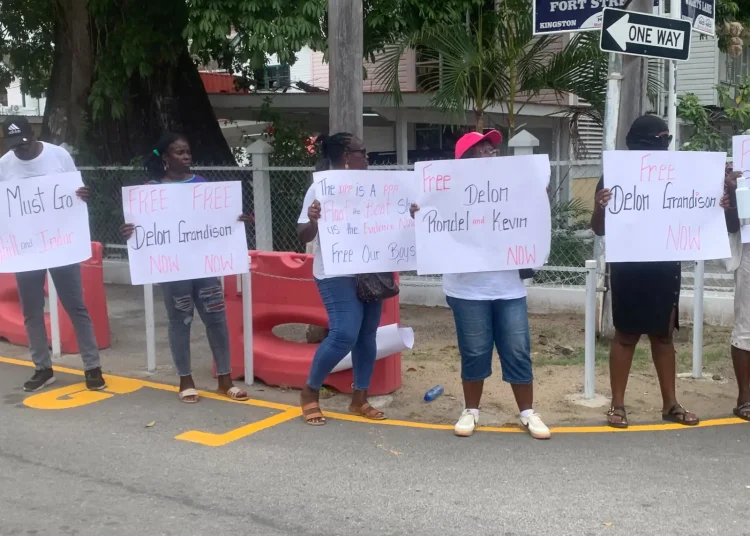
Three men — Captain Kevin Price, Chief Mate Rondell Dwayne Roberts and Goods Superintendent Delon Granderson — have been charged with murder arising from the deaths. The prosecution has completed disclosure, with paper committal proceedings expected to begin on November 16.
The criminal proceedings are running alongside a five-member Commission of Inquiry headed by Belizean Justice Godfrey Phillip Smith. The commission is examining the circumstances surrounding the sinking and is expected to make recommendations on maritime safety, emergency response and regulatory and institutional reforms.
Yet families continue to demand something the legal processes cannot immediately provide — the return of their loved ones and physical evidence from the wreck.
Government announced that the Barima would be salvaged, with the recovery intended to assist the Commission of Inquiry and preserve evidence. Several bids were reportedly received as the salvage process advanced.
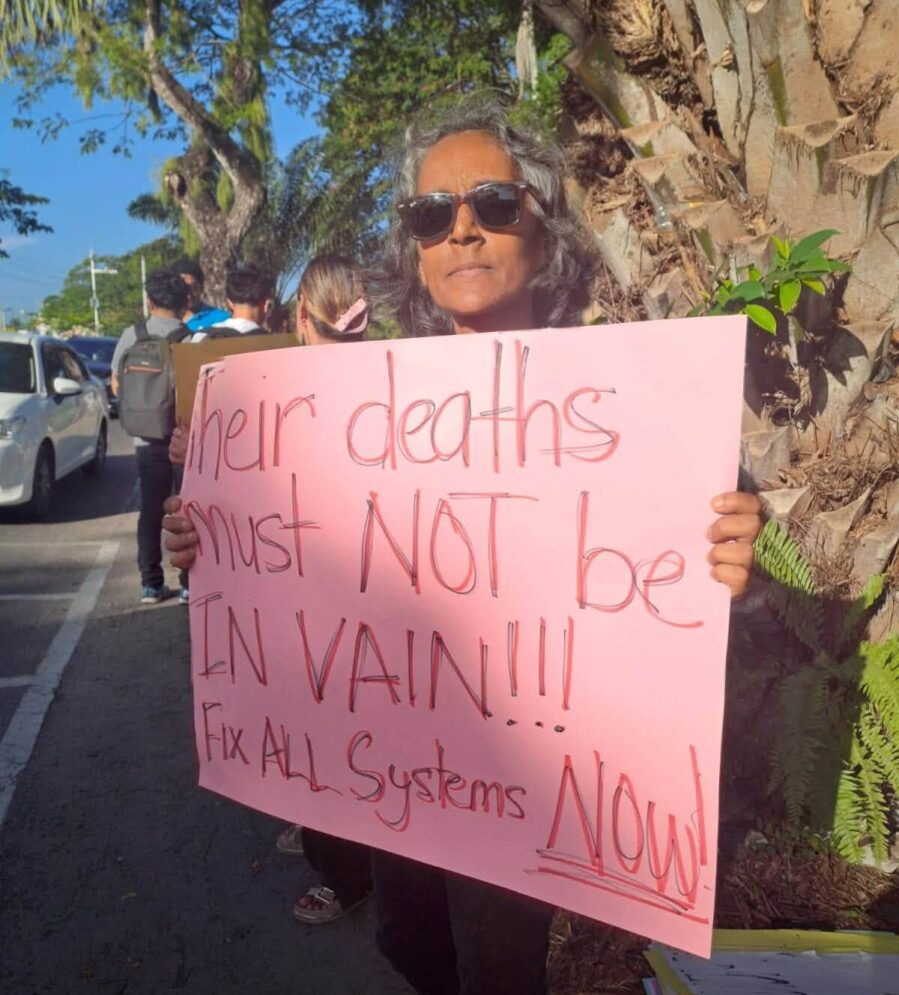
The uncertainty has fuelled repeated protests. Relatives and supporters have called for the vessel to be raised, for the missing to be recovered and for greater accountability from the authorities responsible for maritime safety and the operation of the vessel.
The disaster has also exposed the human cost of weaknesses in the system. The fact that dozens of people were not recorded on the official manifest has raised questions about passenger controls, oversight and the ability of authorities to establish quickly who was actually aboard a government-operated vessel.
The Director of Public Prosecutions has said the criminal proceedings can proceed alongside the Commission of Inquiry and that the two processes will operate independently.
Government has also said it is developing longer-term support for affected families, including social, emotional, medical, legal, mental-health and spiritual assistance.
But for families still waiting for relatives who remain missing, assistance cannot substitute for answers.
The Barima disaster has therefore become more than a question of how a vessel sank. It is now a test of whether Guyana can establish the full truth, account for every person aboard, preserve the evidence and provide grieving families with the answers they have been demanding since July 18.