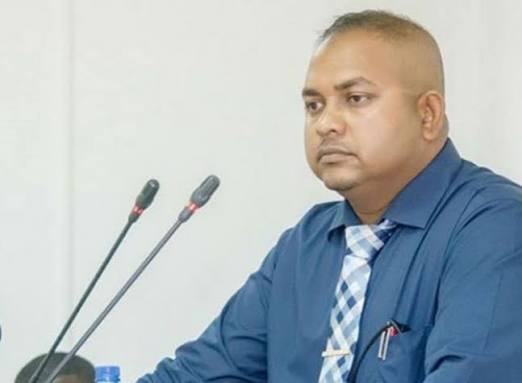
The extradition proceedings against businessman and Opposition Leader Azruddin Mohamed and his father, Nazar Mohamed, have come under fresh scrutiny after the head of the Guyana Police Force Special Branch acknowledged gaps in his written statement and disclosed that records relating to the collection of key extradition documents had been discarded.
Senior Superintendent Prem Narine, who is testifying for the prosecution, was questioned about the handling and movement of documents submitted in support of the United States’ request for the two men to be extradited. Narine told Chief Magistrate Judy Latchman that he collected a bundle of documents from the Attorney General’s Chambers on October 31, 2025, and subsequently took them to the Georgetown Magistrates’ Court. The defence has been seeking information that could establish the origin, chain of custody and authenticity of the documents before they are admitted into evidence.
But Narine said records concerning his collection of the documents had been disposed of. He also indicated that some records connected to his movements and activities could not be produced because of intelligence considerations. The disclosure has become significant because the prosecution is relying on the documents to establish the legal basis for the extradition proceedings.
Narine previously acknowledged that portions of his written statement contained inaccuracies. Among them were references to receiving the Authority to Proceed from Home Affairs Minister Oneidge Walrond and other extradition documents from Foreign Affairs Minister Hugh Todd. Under questioning, he acknowledged that he had not personally witnessed either minister signing the documents.
He said he instead collected a bundle from a staff member at the Attorney General’s Chambers. The defence has questioned why those details were absent from his written statement and has challenged his ability to authenticate documents that he did not prepare.
The court has already blocked the prosecution from tendering the Authority to Proceed, a key document used to initiate the extradition process. The magistrate also prevented Narine from identifying a diplomatic note after determining that his testimony had not established that such a document was included in the bundle he collected.
A Section 6 certificate under the Fugitive Offenders Act was, however, allowed to be shown to the witness. On Friday, the magistrate ordered Narine to produce operational records from Brickdam Police Station relating to October 31, 2025. Narine said those records would not contain information concerning events before the arrests of the Mohameds.
The extradition case began after the United States requested the surrender of Azruddin and Nazar Mohamed to face federal charges. The men are accused by U.S. authorities of offences including money laundering, wire fraud, mail fraud and other alleged crimes connected to their former gold-trading operations. The allegations have not been proven in court, and the men have denied wrongdoing.
The case has already been subject to several legal challenges and delays. The Caribbean Court of Justice previously rejected an attempt to halt the proceedings, clearing the way for the committal hearing to resume. However, the magistrate remains barred from delivering a final decision while a constitutional challenge concerning provisions of Guyana’s extradition law remains before the Court of Appeal.
The latest testimony does not by itself determine whether the United States’ extradition request will succeed.
But the questions surrounding missing records, inconsistencies in police evidence and the authentication and custody of documents have created another significant battleground in a case that could ultimately determine whether the two businessmen are surrendered to U.S. authorities.