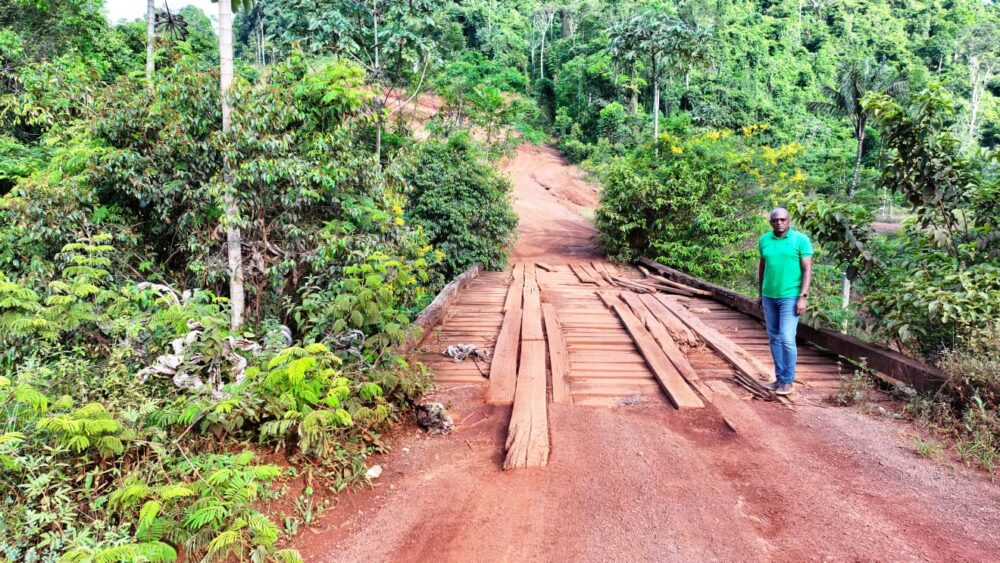
By Mark DaCosta- After concerns over the hazardous condition of Mahdia’s bridges and roads were publicly exposed, the Region Eight administration is now promising remedial works, prompting A Partnership for National Unity (APNU) Parliamentarian Sherod Duncan to question why action was only forthcoming after the infrastructure problems were brought into the public domain.
In a September 2 statement, Duncan urged the Region Eight administration to stop issuing pledges and deliver transparent, timely infrastructure for Mahdia’s residents. Duncan recently highlighted the hazardous state of the Tiger Hill wooden bridge and the degraded Mahdia–Mango Landing trail, prompting the Regional Democratic Council (RDC) to announce remedial works. However, Duncan maintains that maintaining basic infrastructure is a fundamental duty of the state, not an action that should require public shaming.
As a vital commercial hub for the Potaro-Siparuni district, Mahdia relies heavily on these connections. Following Duncan’s intervention, the RDC claimed that temporary repairs for Tiger Hill are under contract — with a concrete replacement planned for the future — and that reconstruction works for the “Wrong Turn” timber bridge have been awarded. The council added that capital funding for the Mango Landing-to-Mahdia road awaits a final award.
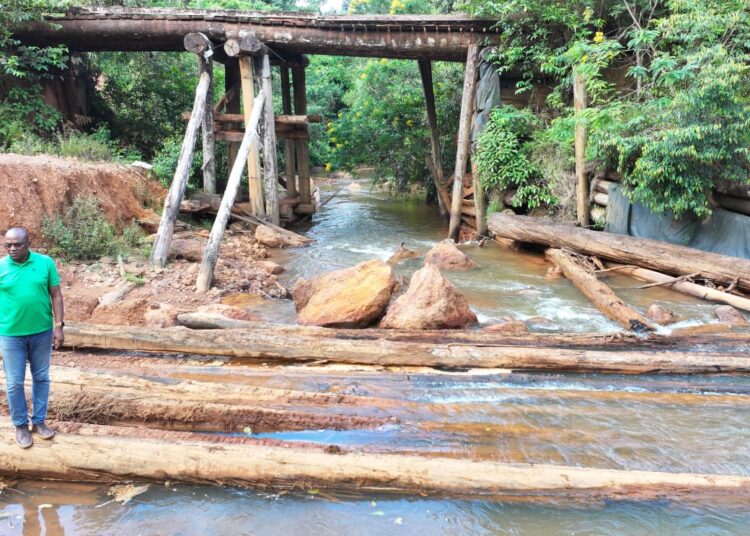
Duncan was swift to separate these promises from tangible progress. “Maintaining these roads and bridges is not a favour to residents,” he declared, emphasising that infrastructure requires “proper planning and timely execution, not only after officials are named and shamed into responding.” His critique highlights a governance culture where hinterland communities must wait for near-catastrophe before authorities react.
Demand for fiscal transparency remains central to his argument. Duncan insisted that if contracts for Tiger Hill and Wrong Turn are awarded, the public must know the contractors’ identities, contract values, scopes of work, and timelines. Similarly, if the Mango Landing road is budgeted, residents deserve to know the allocated sum, the reason for award delays, and a firm start date. As he succinctly noted: “Announcements are not outcomes.”
Duncan also targeted the council’s leadership, noting that Regional Chairperson Tercellia John and Regional Executive Officer Marti DeSouza took office in May. Urging them to act decisively, he declared: “Stop the talk and get the work done.”
While national authorities continue to sign multi-billion-dollar contracts for hinterland development, grand announcements mean little to residents navigating rotting timber bridges when local execution falters. Duncan pledged to scrutinise whether the council’s commitments turn into physical structures, reminding officials that “the people of Mahdia deserve planned development, transparency and value for money.” Ultimately, the true measure of governance lies not in press releases, but in the solidity of the bridge beneath a resident’s feet.