After months of mounting pressure from opposition parties, civil society, sections of the diplomatic community and the wider public, the People’s Progressive Party/Civic (PPP/C) Government has announced that the National Assembly will reconvene on June 5, 2026 ending a parliamentary hiatus that lasted more than three months.
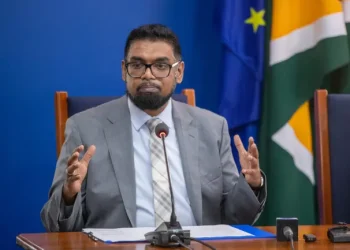
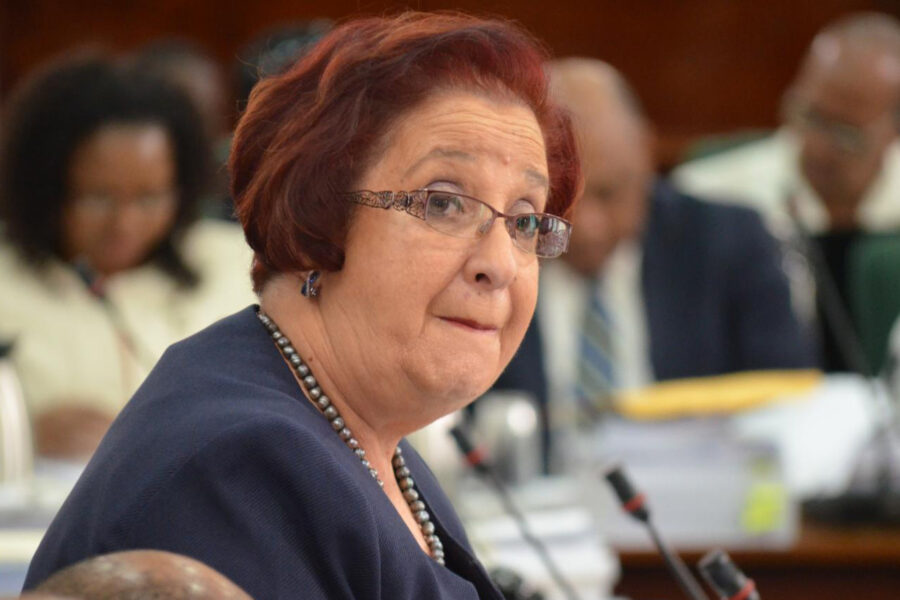
Minister of Parliamentary Affairs and Governance Gail Teixeira made the announcement today via social media, confirming that the next sitting of the National Assembly has been scheduled for June 5.
The announcement came just days after intensified calls for Parliament to be reconvened and has been widely viewed as the government bowing to sustained public and international pressure. Critics argue that had the issue not become a national and international concern, Parliament would have remained dormant.
The National Assembly has not met since February 14, when the 2026 National Budget was approved. For 111 days, there were no sittings of the House and no meetings of parliamentary committees, drawing criticism from political parties and governance advocates who argued that the prolonged suspension undermined parliamentary oversight and accountability.
Among the most political advocates were the Alliance For Change (AFC) and the Forward Guyana Movement (FGM), both of which repeatedly called for Parliament to be reconvened.
The pressure intensified this week when FGM submitted a petition to Clerk of the National Assembly Sherlock Isaacs demanding that Parliament be called. The petition was delivered on Tuesday. At the time, Isaacs reportedly told party representatives that he had no knowledge of when the next sitting would be held, making Wednesday’s announcement all the more notable.
FGM had also written to members of the international community highlighting concerns about the prolonged absence of parliamentary sittings and what it described as the erosion of democratic norms.
The issue gained further traction after diplomatic representatives from the ABCEU countries — the United States, United Kingdom, Canada, and the European Union — publicly emphasised the importance of Parliament sitting regularly and fulfilling its constitutional oversight role.
Public frustration was also amplified by Village Voice News, which maintained a continuously running clock on its website showing the precise number of days, hours, minutes and seconds since Parliament last sat. The clock became a visible reminder of the Assembly’s inactivity and a rallying point for calls to restore legislative business.
In announcing the June 5 sitting, Teixeira criticised members of the diplomatic community for commenting publicly on Parliament’s inactivity without first engaging the government. She said it was “regrettable” that some ambassadors, embassies and high commissions had not sought clarification from the administration before making public statements.
According to Teixeira, had such engagement occurred, they would have been informed that a sitting had already been scheduled.
While reaffirming Guyana’s appreciation for its international partners, the minister said the government expects future engagement on parliamentary matters to be “more profound and respectful.”
For observers of the government’s handling of Parliament, however, the timing of the announcement is difficult to ignore. Coming immediately after opposition campaigns, a public petition, international scrutiny and growing public criticism, many view the June 5 sitting as evidence that sustained domestic and international pressure ultimately compelled the administration to reconvene the National Assembly.