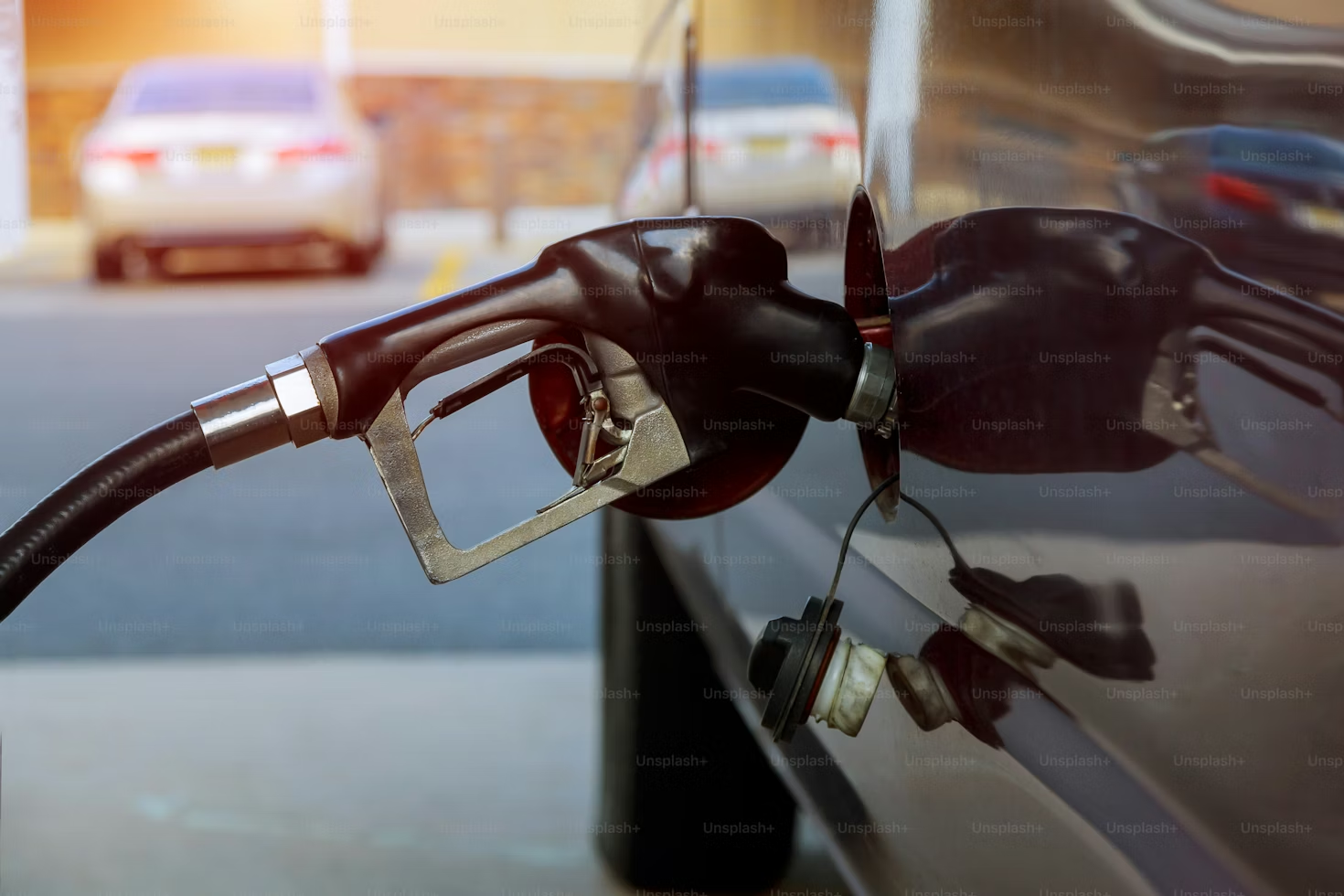
The Alliance For Change (AFC) has raised strong concerns about the Government of Guyana’s handling of the country’s domestic fuel supply, as shortages continue to affect households, transportation, and businesses across the country.
In a sharply worded statement, the opposition party said it was expressing “grave disappointment and deep concern” over what it described as clear mismanagement, pointing to empty service stations, long queues, and growing uncertainty among citizens and businesses.
“The Government of Guyana’s apparent mismanagement of the domestic fuel supply… has resulted in widespread shortages and inconvenience to citizens and businesses across the country,” the AFC said.
Warnings ignored, crisis unfolds
The party argued that the shortages were not unforeseen, contending that escalating pressures in global energy markets should have triggered early and decisive intervention. Instead, it said, the administration was “deliberately and negligently slow in responding,” allowing the situation to deteriorate.
The fallout is particularly striking in Guyana, now one of the world’s fastest-growing oil producers following major offshore discoveries led by ExxonMobil. Despite this transformation, the country remains dependent on imported refined fuel, exposing it to external supply shocks.
Against this backdrop, the AFC contends that basic safeguards—such as strategic reserves, advance procurement, and coordinated supplier engagement—were either inadequate or absent.
President’s response under fire
The statement singles out Irfaan Ali, criticising what it characterises as a delayed and reactive posture.
“Particularly troubling is the President’s belated announcement that the situation is being ‘monitored,’ coming only after fuel shortages had already become widespread and disruptive,” the AFC said. “Monitoring a crisis after it has already impacted the population is not governance—it is abdication of responsibility.”
President Ali has indicated that the government has engaged fuel importers and expects incoming shipments to ease the shortages, but the AFC argues such assurances came only after the disruption had already taken hold.
Demands for transparency and action
Framing the issue as a failure of planning and communication, the AFC said the government had both the time and resources to mitigate the crisis but left citizens “unprepared and unsupported.”
The party is calling for:
- “An immediate and transparent explanation” for the shortages;
- Clear, time-bound measures to restore stable supply;
- A comprehensive, forward-looking energy contingency plan; and
- Consistent public communication on developments.
“The AFC stands ready to support all efforts that place the interests of the Guyanese people first,” the statement said. “However, we will not remain silent in the face of evident mismanagement and disregard for the welfare of our citizens.”
Broader governance test
The dispute underscores a deeper tension within Guyana’s rapidly evolving oil economy: whether institutional capacity and planning are keeping pace with its resource boom. As fuel lines lengthen despite the country’s petroleum wealth, the episode is likely to intensify scrutiny of how the state manages both immediate supply chains and long-term energy security.