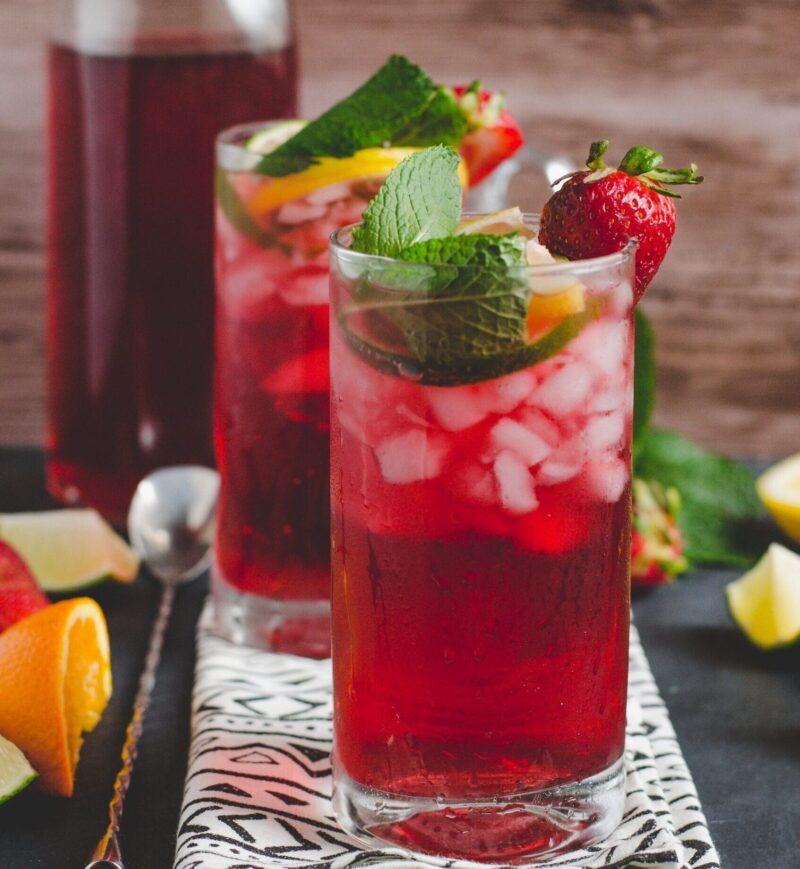
Think hibiscus is just a colorful decoration for your garden? It might be time to reconsider. The tropical flowering plant, Hibiscus sabdariffa, may provide some health benefits, too.
And it tastes delicious. The fruity flavor of hibiscus is tangy and sweet, making it perfect for tea. Registered dietitian Beth Czerwony, RD, LD, shares several ways hibiscus can contribute to a healthy lifestyle.
Is hibiscus good for you?
For centuries, people have used hibiscus seeds, flowers, leaves and stems in food and traditional medicine. Today, you can find hibiscus-flavored jams, jellies, sauces, syrups and teas throughout the world.
The ingredient is especially popular in Western Africa, Central and South America and the Caribbean. Also known as roselle or sorrel, it’s been used to treat everything from high blood pressure to indigestion.
Modern science also supports the idea that this time-tested remedy offers a variety of health benefits. But Czerwony cautions that we need more research to know exactly how hibiscus supplements can help treat certain conditions.
Health benefits of hibiscus tea
So, what exactly is the power of hibiscus? Czerwony explains some of its health benefits.
1. Protects with antioxidants
The hibiscus plant is rich in antioxidants such as beta-carotene, vitamin C and anthocyanin. “Antioxidant-rich foods really help across the board with quite a few health conditions,” Czerwony says.
Antioxidants destroy harmful molecules known as free radicals within your body. Free radicals cause damage to cells that contribute to diseases such as cancer, heart disease and diabetes. While your body uses its own antioxidants to fight free radical damage, antioxidant-rich foods may also play a role in preventing disease.
2. Fights inflammation
Several animal studies and a few small human studies have shown hibiscus’s ability to fight inflammation, Czerwony says.
Inflammation plays a role in the development of many illnesses, including cancer, asthma, Alzheimer’s disease, heart disease and rheumatoid arthritis. While more research is needed, it seems that hibiscus may offer helpful anti-inflammatory effects.
3. Lowers blood pressure
High blood pressure affects nearly half of all adults in the U.S., leading to serious health problems like heart attack, stroke, heart failure and kidney disease. In clinical trials, drinking hibiscus tea has been shown to lower blood pressure in humans.
However, the National Center for Complementary and Integrative Health points out that hibiscus and other herbal remedies only slightly lower blood pressure. They can’t replace medications for those who’ve been diagnosed with high blood pressure.
4. Lowers cholesterol
High cholesterol is another health problem that affects millions of adults and contributes to serious diseases like heart attack and stroke. While some clinical studies have shown hibiscus lowers cholesterol levels, others have shown little effect.
Czerwony says hibiscus may help maintain healthy cholesterol levels, but once again, we need more research to be sure.
5. Promotes weight loss
Several studies show a positive impact on weight loss, which could help prevent obesity — but these studies used hibiscus extract, a more concentrated form than hibiscus tea. Czerwony notes that we don’t yet know whether hibiscus tea produces the same result.
6. Fights bacteria
In laboratory studies, hibiscus extract kept certain types of bacteria in check. While it’s clear hibiscus has antibacterial properties, researchers are studying its effectiveness in people.
7. Supports liver health
Hibiscus helps keep the liver healthy, according to several studies. The extract protects the liver from a variety of toxins, likely due to its powerful antioxidant activity. It’s even demonstrated some anti-cancer activity in laboratory tests of liver cells.
Is hibiscus safe?
The U.S. Food and Drug Administration (FDA) considers hibiscus safe when consumed in food. However, it’s possible to have an allergic reaction to the plant. In very high doses, hibiscus may cause liver damage.
“You can certainly add hibiscus into your diet safely,” Czerwony says. But she recommends talking with your healthcare provider, as it could interact with some medicines.
What’s the best way to take hibiscus?
Ready to take the plunge? Hibiscus is available in several forms:
- Tea:You can make hibiscus tea by steeping dried hibiscus buds (called calyxes) in boiling water. If you’re not into the DIY method, you can also purchase dried hibiscus or hibiscus tea bags.
- Powder:You can also buy hibiscus as a powder, which is made from dried plant parts that are finely ground. Mix the powder with water to make a beverage.
- Extract:Hibiscus extract is a concentrated liquid form of the supplement. You can buy it from health food or herbal supplement retailers.
Czerwony recommends drinking hibiscus tea rather than powder or extract. “Hibiscus tea — whether you buy it already prepared, use tea bags or steep it yourself from the dried plant — is the least expensive and most readily available,” she says. And the powders and extracts may differ in strength and concentration, so you may be getting a dose that’s too strong.
Next time you find yourself at your favorite java spot, consider forgoing your frothy coffee in favor of hibiscus tea. “When people ask me about hibiscus tea,” Czerwony says, “I tell them it’s perfectly acceptable, and possibly beneficial, to drink a cup of hibiscus tea a day.” (Cleveland Clinic)




![Ethiopians hold national flags at an event organised by city officials to honour the military in capital Addis Ababa [File: Mulugeta Ayene/AP]](https://villagevoicenews.com/wp-content/uploads/2020/11/Ethiopia.jpg)