Summary
What is mental health?
Mental health includes our emotional, psychological, and social well-being. It affects how we think, feel, and act as we cope with life. It also helps determine how we handle stress, relate to others, and make choices. Mental health is important at every stage of life, from childhood and the teen years through adulthood and older age.
Why is mental health important?
Good mental health can help you:
- Cope with stress
- Be physically healthy
- Have good relationships
- Make meaningful contributions to your community
- Work productively
- Realize your full potential
How can I improve my mental health?
There are many ways to take care of your mental health, including:
- Staying positive, which is the habit of seeing the good in situations and expecting things to work out well. Some ways to build a positive outlook include:
- Finding balance between positive and negative emotions. Staying positive doesn’t mean that you never feel negative emotions, such as sadness or anger. These emotions can help you deal with problems. But you don’t want those emotions to take over. For example, it’s not helpful to dwell on bad memories or worry too much about the future.
- Trying to hold on to good feelings when you have them.
- Limiting exposure to negative information. For example, take breaks from the news or social media if they make you feel upset. Use social media to connect, not to get into arguments, or negatively compare your life to others.
- Practicing gratitude, which means being thankful for the good things in your life. It’s helpful to do this every day, either by thinking about what you are grateful for or writing it down in a journal. These can be big things, such as the support you have from loved ones, or little things, such as enjoying a nice meal. Practicing gratitude can help you notice moments when you have positive emotions, even during stressful times.
- Taking care of your physical health, since your physical and mental health are connected. Some ways to take care of your physical health include:
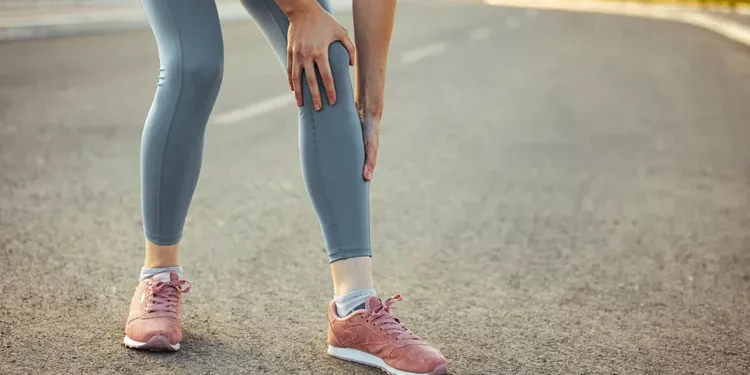
- Being physically active. Exercise reduces feelings of stress and depression and improves your mood.
- Getting enough sleep. Sleep affects your mood. If you don’t sleep well, you may become more easily annoyed and angry. Over the long term, a lack of quality sleep can make you more likely to become depressed. So, it’s important to make sure that you have a regular sleep schedule and get enough quality sleep every night.
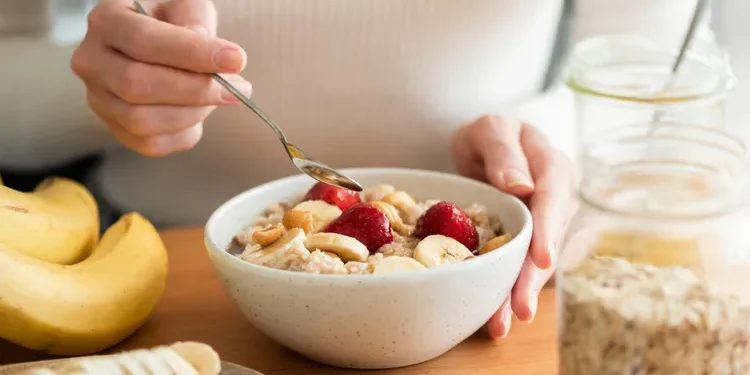
- Healthy eating. Good nutrition may help you feel better physically, improve your mood and decrease anxiety and stress. Also, not having enough of certain nutrients may contribute to some mental illnesses. For example, there may be a link between low levels of vitamin B12 and depression. Eating a well-balanced diet can help you get enough of the nutrients you need.
- Connecting with others, since strong, healthy relationships may help protect you against stress. It is also good to have different types of connections. Besides connecting with family and friends, you could find ways to get involved with your community or neighborhood. For example, you could volunteer for a local organization or join a group that is focused on a hobby you enjoy.
- Developing a sense of meaning and purpose in life, which could be through your job, volunteering, learning new skills, or exploring your spirituality. Having a sense of purpose supports long-term emotional health.
- Developing coping skills, which are methods you use to deal with stressful situations. They may help you be flexible, face a difficult problem, and not easily give up until you solve it.
- Meditation, which is a mind and body practice where you learn to focus your attention and awareness. There are many types, including mindfulness meditation and transcendental meditation. Meditation usually involves:
- A quiet location with as few distractions as possible.
- A comfortable position. This could be sitting, lying down, walking, or another position.
- A focus of attention, such as a specially chosen word or set of words, an object, or your breath.
- An open attitude, where you try to let your thoughts come and go without judging them.
- Relaxation techniques are practices you do to produce your body’s natural relaxation response. This response slows down your breathing, lowers your blood pressure, and reduces muscle tension and stress. Types of relaxation techniques include:
- Progressive relaxation, where you tighten and relax different muscle groups, sometimes while using mental imagery or breathing exercises.
- Guided imagery, where you focus on positive images in your mind to help you feel more relaxed and focused.
- Biofeedback, where you use electronic devices to learn to control certain body functions, such as breathing, heart rate, and muscle tension.
- Self-hypnosis, where the practice of using a specific word, image, or cue can help you enter a relaxed, focused state that shapes your thoughts and behaviors in positive ways.
- Deep breathing exercises, which involve focusing on taking slow, deep, even breaths to calm your body and mind.
It’s also important to recognize when you need to get help. Talk therapy and/or medicines can treat many mental disorders. Start by talking with your health care provider for advice on where to get care. (medlineplus)