Sunday, November 15, 2026
Village Voice News
ADVERTISEMENT
  • Home
  • News
  • Sports
  • Editorial
  • Letters
  • Global
  • Columns
    • Eye On Guyana
    • Hindsight
    • Lincoln Lewis Speaks
    • Future Notes
    • Blackout
    • From The Desk of Roysdale Forde SC
    • Diplomatic Speak
    • Mark’s Take
    • In the village
    • Mind Your Business
    • Bad & Bold
    • The Voice of Labour
    • The Herbal Section
    • Politics 101 with Dr. David Hinds
    • Talking Dollars & Making Sense
    • Book Review 
  • Education & Technology
  • E-Paper
  • Contact Us
No Result
View All Result
Village Voice News
No Result
View All Result
Home Health

Why digestive health matters more than you think

Admin by Admin
May 29, 2026
in Health
A doctor shows a model of the intestine to a patient. /VCG

A doctor shows a model of the intestine to a patient. /VCG

0
SHARES
0
VIEWS
Share on FacebookShare on Twitter

CGTN – World Digestive Health Day, observed on May 29 every year, is an occasion to highlight gastrointestinal (GI) diseases and the importance of gut health, one of the body’s most overlooked aspects.

While digestion is often taken for granted, the human gut is increasingly recognized as one of the body’s most complex and influential systems – shaping not only how we process food, but also how we regulate immunity, metabolism and mental wellbeing.

READ ALSO

Drinking Tea Regularly Lowers Heart Disease Risk

9 Common Warning Signs of Poor Blood Circulation

Hidden within the human intestine is one of the body’s busiest ecosystems. More than 70% of the body’s immune cells are concentrated there, forming a critical barrier between the outside world and our internal health.

Day and night, the gut works nonstop, processing foods, supporting metabolism, and helping defend the body against harmful bacteria, viruses and toxins. More than 80% of the body’s waste and toxins are eliminated through the intestinal tract. When bowel movements become irregular or digestion slows down, harmful substances risk staying in the body longer than they should.
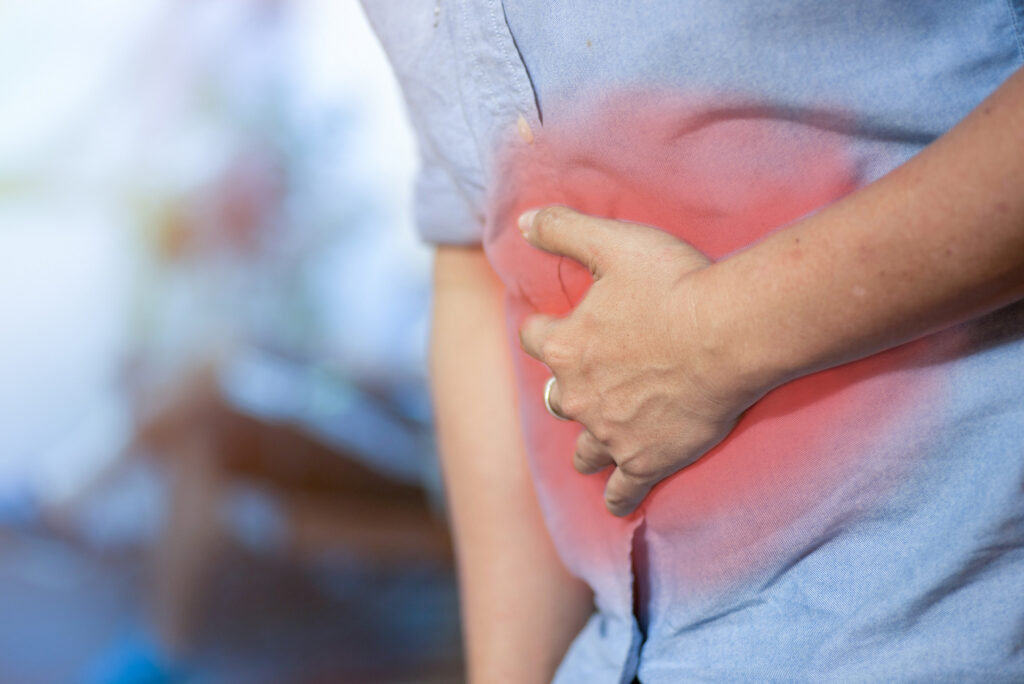
A patient experiences intestinal pain. /VCG

But the gut’s influence extends far beyond immunity and digestion. Embedded within the digestive tract is a vast network of neurons that constantly communicates with the brain through the gut-brain axis. The relationship is so close that emotions can directly affect intestinal function. Anxiety, tension and even lack of sleep can disrupt normal bowel function, while gut imbalance may in turn influence mood and emotional well-being.

Yet despite its importance, gut health is often compromised by unhealthy lifestyles. Sedentary habits, highly processed foods, excessive red meat consumption, smoking, alcohol use, obesity and chronic stress can all damage the intestinal environment. According to Li Guoxin, chief physician of Beijing Tsinghua Changgung Hospital, maintaining gut health begins with everyday choices: eating more fruits and vegetables, exercising regularly, maintaining a healthy weight and preserving stable sleep routines.

Researchers study the intestinal microbiota in the development of certain cancers, particularly colorectal cancer in young adults, at Pasteur Institute in Paris, France, September 18, 2025. /VCG

Common intestinal disorders include irritable bowel syndrome (IBS), functional dyspepsia, inflammatory bowel disease (IBD), and colorectal cancer. Among these, colorectal cancer remains one of the most concerning global health threats. According to the World Health Organization, it is now the world’s third most common cancer, accounting for approximately 10% of all cancer cases. It is also the second leading cause of cancer-related deaths worldwide.

The good news, Li says, is that colorectal cancer often develops slowly. In many cases, it can take nearly a decade for a benign intestinal polyp to evolve into cancer. That long window creates a crucial opportunity for prevention and early intervention.

Li recommends that individuals at average risk begin colonoscopy screening at age 45. High-risk groups, including people with a family history of colorectal cancer, ulcerative colitis, familial adenomatous polyposis (FAP), or Lynch syndrome, may need earlier monitoring under medical guidance. Beyond colonoscopy, non-invasive tests such as fecal occult blood tests (FOBT) and fecal immunochemical tests (FIT) are also becoming important methods for early detection.

As scientists continue uncovering the hidden connections between the gut, the brain, immunity, and chronic diseases, one message is becoming increasingly clear: caring for the gut means caring for the entire body. The gut is not merely a digestive tract, but an immune command center, a chemical factory, and, in many ways, a “second brain.”


ShareTweetSendShareSend

Related Posts

Black tea contains antioxidants that may help protect your heart.
Credit: Anastasiya Larionova / Getty Images
Health

Drinking Tea Regularly Lowers Heart Disease Risk

by Admin
October 31, 2026

Key Takeaways Drinking tea regularly was linked to an 11% lower risk of heart and blood vessel problems. Choose plain,...

Read moreDetails
credit: ljubaphoto / Getty Images
Health

9 Common Warning Signs of Poor Blood Circulation

by Admin
October 17, 2026

By Pamela Assid Woughter, DNP, RN Key Takeaways Painful cramps in the legs that get better with rest can be...

Read moreDetails
Eating a variety of high-fiber foods regularly can contribute to a healthier, longer life.
Arx0nt / Getty Images
Health

We Asked a Doctor If Eating More Fiber Helps You Live Longer

by Admin
October 10, 2026

By Sohaib Imtiaz, MD  and Teresa Maalouf, MPH Key Takeaways Eating enough fiber may lower your risk of death from...

Read moreDetails
Next Post
Chinese Foreign Minister Wang Yi attends a meeting of the Group of Friends of Global Governance at United Nations (UN) headquarters in New York, US, May 28, 2026. /Chinese Foreign Ministry

Chinese FM calls for reforming and improving global governance at UN meeting


EDITOR'S PICK

Hundreds of students at Tsinghua University in Beijing gathered on Sunday to protest against zero-Covid and censorship.

Protests erupt across China in unprecedented challenge to Xi Jinping’s zero-Covid policy

November 27, 2022

Shelter activated to help wildfire victims

April 5, 2024
The newly acquired vessel arrived at the Georgetown Wharf on Wednesday afternoon

New maritime vessel to enhance transport to Region 1

January 15, 2026

WORD OF THE DAY: ONEIRIC

January 16, 2024

© 2024 Village Voice

No Result
View All Result
  • Home
  • News
  • Sports
  • Editorial
  • Letters
  • Global
  • Columns
    • Eye On Guyana
    • Hindsight
    • Lincoln Lewis Speaks
    • Future Notes
    • Blackout
    • From The Desk of Roysdale Forde SC
    • Diplomatic Speak
    • Mark’s Take
    • In the village
    • Mind Your Business
    • Bad & Bold
    • The Voice of Labour
    • The Herbal Section
    • Politics 101 with Dr. David Hinds
    • Talking Dollars & Making Sense
    • Book Review 
  • Education & Technology
  • E-Paper
  • Contact Us

© 2024 Village Voice