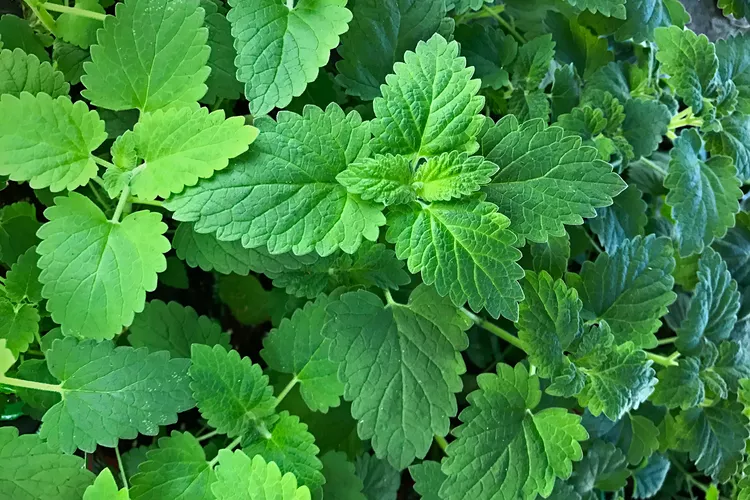
(Britannica)-catnip, (Nepeta cataria), herb of the mint family (Lamiaceae), noted for its aromatic leaves, which are particularly exciting to cats. Catnip is commonly grown by cat owners for their pets, and the dried leaves are often used as a stuffing for cat playthings. The herb is native to Eurasia and is used as a seasoning and as a medicinal tea for colds and fever in some places.
Catnip is a short-lived perennial herb. The stems are typically square and bear oppositely arranged toothed leaves. The plant produces spikes of small white purple-dotted flowers and readily reseeds itself. The leaves and stems contain a volatile oil known as nepetalactone, which stimulates sensory neurons in most cats, attracting them to the plant. The effect generally lasts about 10 minutes and triggers a wide range of behaviours, including purring, rolling, vocalizations, head rubbing, drooling, jumping, and sometimes aggression.
Why Do Cats Like Catnip?
The aromatic leaves of the catnip (Nepeta cataria), a herb of the mint family, are known to be particularly exciting to cats. The secret to catnip’s allure lies in the volatile oil known as nepetalactone, which has a psychoactive quality. This compound is found in the leaves and stems of the catnip plant and is responsible for causing a variety of reactions in most cats. However, scientists have not figured out exactly what in nepetalactone causes these reactions.
When cats come into contact with catnip, they often exhibit a range of behaviors that suggest they are experiencing a heightened state of excitement or pleasure. The nepetalactone binds to receptors in the cat’s nose, which then stimulates sensory neurons and the experience can be quite intense. This interaction may trigger many different reactions. Cats may purr or make other sounds, drool, roll, rub against things, jump, and even become agitated. Some cats may become more playful, while others might seem calmer and more at ease. Although the effects of catnip usually wear off after about 10 minutes, they may last for about an hour in some cases, after which the cat returns to its normal behavior.
Cats stop getting affected by catnip for a while after the initial reaction. This means that even if a cat is exposed to catnip again shortly after the initial exposure, it is unlikely to get intoxicated and react in the same way.
It has been found that around 70 percent of cats are affected by catnip, and sensitivity to the plant is an inherited trait. Interestingly, research shows that, apart from house cats, big cats such as tigers and leopards may also be affected by it.