The A Partnership for National Unity (APNU) parliamentarian with responsibility for legal affairs, Dr. Dexter Todd, has criticised the 2026 National Budget for failing to address long-standing weaknesses in the justice and investigative systems in Guyana, using the case of 11-year-old Adrianna Younge to underscore what he described as the urgent need for legislative and forensic reform.
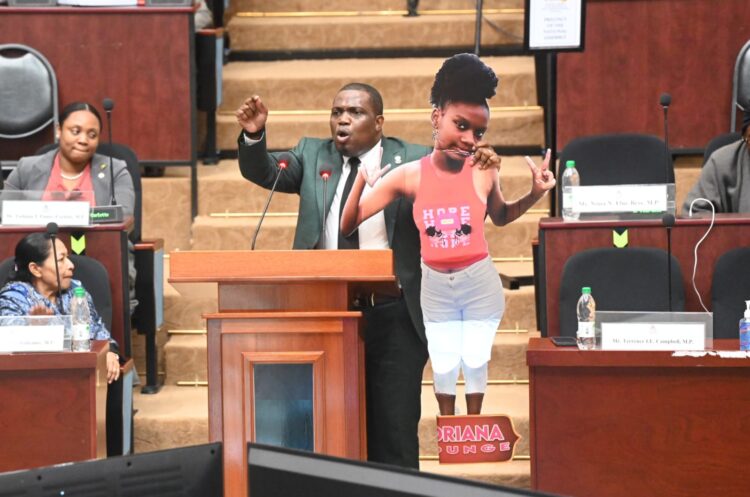
During his budget presentation, Todd held up a photograph of Young and told the National Assembly, “I bring to your attention the matter of Adrianna Young…We call for justice. We call for reforming of the laws.”
Younge went missing on April 23, 2025, while at the Double Day Hotel pool in Tuschen, East Bank Essequibo, during a family outing; her body was discovered the next day in the same pool, touching off national grief and anger. Her death prompted widespread protests and criticism of the police and government response, including demands for independent forensic investigation and transparent accountability, and authorities arranged for both local and international autopsies, which concluded she drowned.
Todd argued that while billions of dollars have been allocated for physical infrastructure, the budget neglects the institutional and legal reforms required to safeguard citizens and strengthen the administration of justice.
A central element of Todd’s criticism was Guyana’s Coroners Act, which he said remains fundamentally a colonial-era law. The legislation was first enacted in 1887 and now appears in the Laws of Guyana as Chapter 4:03. Although it has been amended on several occasions — including revisions in 1894, 1903, 1927, 1972 and 1997, and a further amendment in 2016 — Todd maintained that its basic structure is still rooted in nineteenth-century practice and is ill-suited to modern, complex death investigations.
He noted that, across the Caribbean, other jurisdictions have moved further and faster in modernising their coronial frameworks. For example, The Bahamas enacted a consolidated and updated Coroners Act in 2011, while countries such as Trinidad and Tobago and Barbados operate under more recently revised systems that better reflect contemporary forensic science, procedural safeguards and public-interest standards. Todd argued that Guyana has fallen behind this wider Commonwealth Caribbean trend.
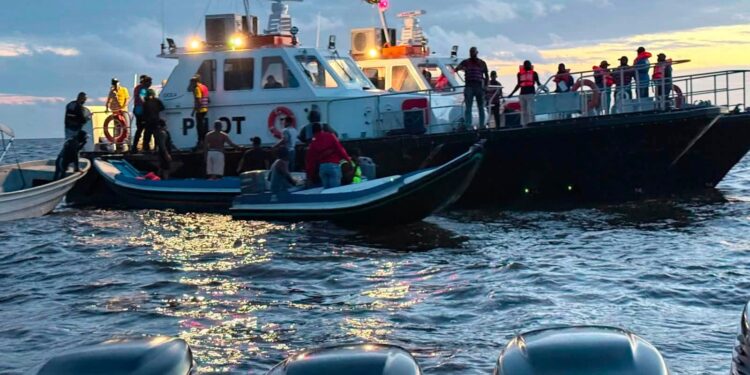
He directly linked the outdated legislative framework to what he described as a dangerous lack of forensic capacity, pointing to the recent deaths of four crew members aboard a cargo vessel believed to have been exposed to toxic fumes. “It shows that Guyana lacks the expertise forensically to investigate and to do these matters,” he said. “Budget is silent on it. It makes no provision for that.”
Todd also called for stronger guarantees of judicial independence, echoing concerns previously raised by the acting Chief Justice about the need for financial and operational autonomy for the courts. He warned that continued Executive control over resources places pressure on the judiciary and risks undermining public confidence in judicial decisions. Under Guyana’s Constitution, the three branches of government — the legislative, executive and judiciary — are co-equal and are intended to function with autonomy, a principle the government is often accused of undermining.
According to Todd, national development cannot be separated from a modern, properly resourced and independent justice system, and the failure of the 2026 budget to meaningfully address outdated laws, forensic capacity and judicial autonomy represents a missed opportunity to protect the rights and safety of Guyanese.