The Government of Guyana is facing mounting pressure to secure a new agreement with Turkish power provider Karpowership after the company reportedly declined a request for a 30-day extension of its existing contract, according to a report published by Kaieteur News on May 31.
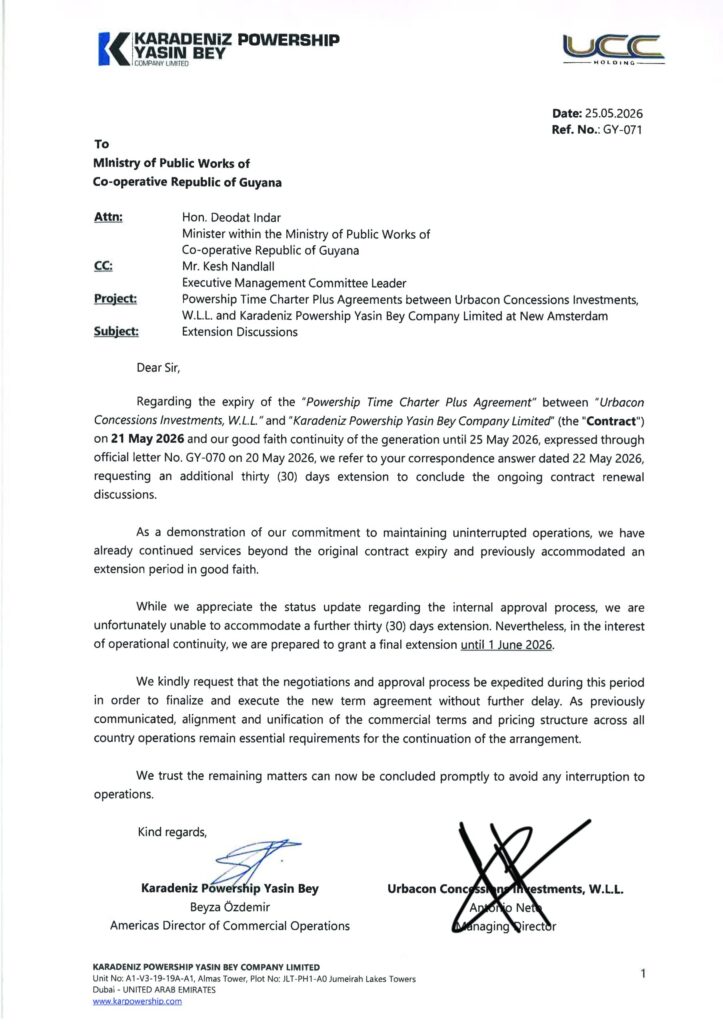
Citing a joint letter dated May 25, 2026, from Karadeniz Powership Yasin Bey Company Limited and Urbacon Concessions Investments, the newspaper reported that negotiations are underway for the continuation of electricity supply from the company’s floating power plants currently operating in Guyana.
According to the report, the existing “Powership Time Charter Plus Agreement” expired on May 21, 2026. After requesting a 30-day extension to facilitate negotiations, the government was reportedly granted only a one-week extension, which expires on June 1.
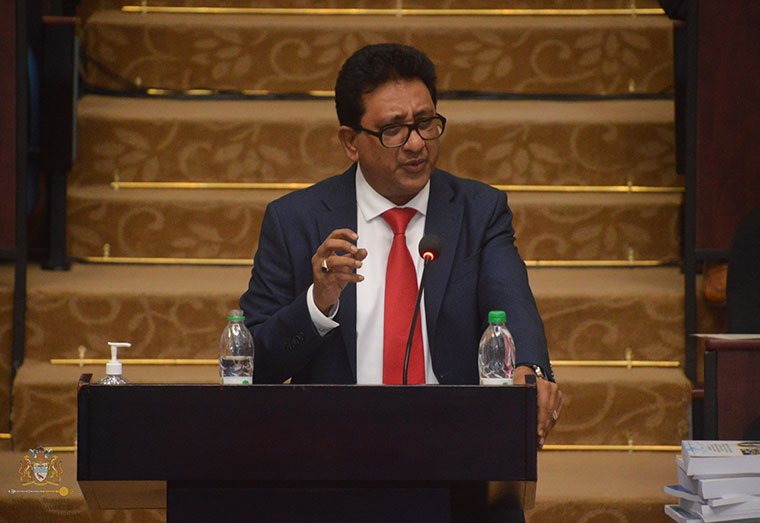
The letter, addressed to Minister within the Ministry of Public Works Deodat Indar, reportedly stated that the companies were “unable to accommodate a further thirty (30) days extension” and stressed that negotiations and approvals should be expedited to avoid any disruption in service. The companies also reportedly cited the need for “alignment and unification of the commercial terms and pricing structure across all country operations” as a condition for continuing the arrangement.
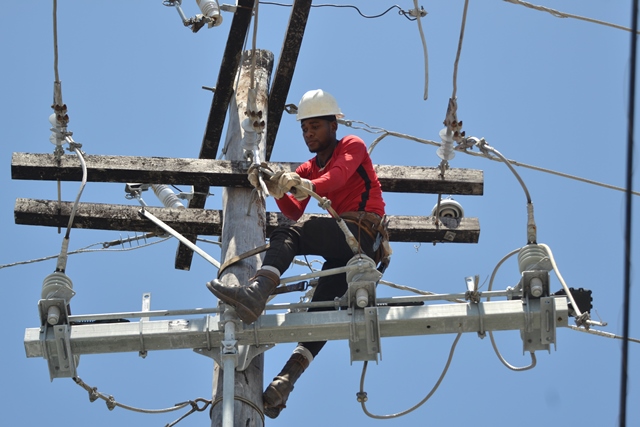
Karpowership currently operates two floating power plants in Guyana—a 36-megawatt vessel in the Berbice River and a 60-megawatt vessel in the Demerara River—providing approximately 96 megawatts of electricity to the national grid.
The Turkish company was initially contracted by Guyana Power and Light (GPL) in 2024 as an emergency measure to address chronic electricity shortages while the government’s Wales Gas-to-Energy (GTE) project was under development. The arrangements were intended as temporary solutions until completion of the GTE project.
The Gas-to-Energy initiative, one of the Ali administration’s flagship projects, was promoted as a transformative undertaking that would deliver cheaper and more reliable electricity by utilizing natural gas from ExxonMobil’s offshore operations. However, the project has become increasingly associated with delays, rising costs and missed deadlines.
Initially expected to begin delivering benefits by the end of 2024, completion has since been pushed back to the end of 2026. The Engineering, Procurement and Construction contract is being executed by CH4-Lindsayca, while former NICIL head Winston Brassington chairs the Gas-to-Energy Task Force.
Given the project’s history of delays and the continuing pace of work, observers have questioned whether the latest completion target is achievable, with little confidence in some quarters that the revised deadline will be met. The repeated postponements have left Guyana dependent on costly stopgap measures such as the Karpowership arrangement, exposing taxpayers to additional expenditure while undermining confidence in the management of one of the country’s most expensive infrastructure projects.
The delays have also fueled concerns that Guyana’s continued reliance on the powerships has strengthened the supplier’s bargaining position while limiting the government’s options. With no immediate replacement for the electricity generated by the two vessels, some observers argue that Guyana is negotiating from a position of weakness.
A local analyst said the situation extends beyond a commercial dispute and enters the realm of national security.
“How could the government have allowed a foreign private company to place itself in a position where it can threaten economic and social instability by withholding electricity from the people of Guyana unless higher—and some would argue excessive—costs are accepted?” the analyst asked.
The analyst argued that a sovereign state should never become so dependent on a private foreign supplier that the prospect of service disruption could threaten economic activity, public services and daily life.
“This is a national security matter. A sovereign state should never find itself in a position where a private foreign company can effectively issue an ultimatum that unless its demands are met, the lights will go out across the country,” the analyst said.
Questions also remain about the financial implications of any new agreement. Government officials have not publicly disclosed the potential cost of the revised commercial terms being negotiated.
Minister Indar did not respond to Kaieteur News’ request for comment on the matter, according to the publication.