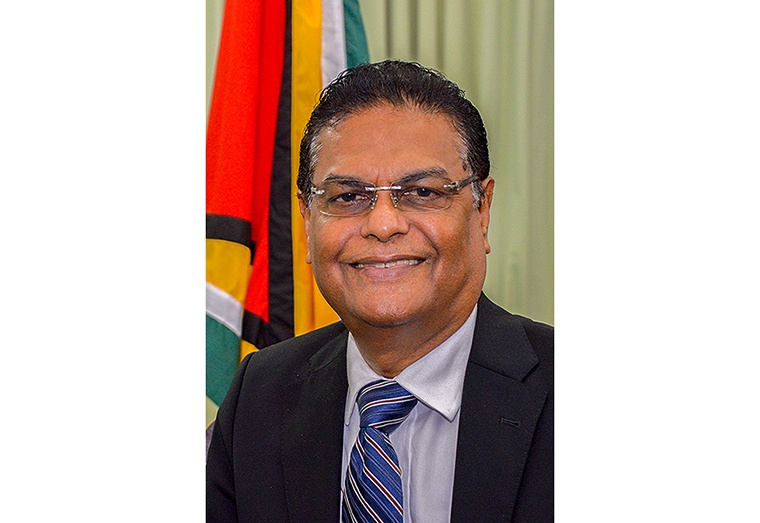
Parliamentary opposition parties have condemned recent restrictions imposed by Speaker of the National Assembly Hon. Manzoor Nadir limiting independent media access to parliamentary proceedings, warning that the measures undermine press freedom, transparency, and democratic accountability.
The directive, issued on Monday at the start of the 2026 National Budget Debate, restricts the number of accredited journalists allowed in the Chamber at any one time, requires them to surrender personal identification for entry, and bars independent media from filming while granting exclusive access to the state-run Department of Public Information (DPI).
The Guyana Press Association (GPA) said the measures significantly reduce coverage capacity compared with previous years, undermining press freedom, transparency, and the public’s right to information. The association warned that limiting access and relying solely on streamed feeds or restricted seating compromises independent reporting of parliamentary business.

A Partnership for National Unity (APNU) said the decision represents a departure from democratic norms and long-established parliamentary practice. “The National Assembly is the people’s house,” APNU stated, stressing that curtailing the role of the media curtails the public’s right to know. The opposition described the measures as “a clear act of censorship by exclusion” and called on the Speaker to immediately restore full access for all accredited media houses.
Similar concerns were raised by Forward Guyana Movement (FGM) Member of Parliament Hon. Amanza O.R. Walton, who described the restrictions during the Budget Debates of the 13th Parliament as a violation of an “essential democratic safeguard and a cornerstone of accountability.”
Walton said limiting access to five journalists, requiring the surrender of national identification or driver’s licences, and forcing reliance on state-produced footage constitute a serious assault on press freedom. She rejected claims that the measures mirror temporary COVID-19 arrangements, calling such justifications disingenuous and indefensible.
“When a government restricts independent observation by the media and monopolises official narratives, they cross a line,” Walton warned, adding that Parliament belongs to the people, not the Speaker, the Government, or state media. The parliamentarian went further in stating that “No democracy can claim legitimacy while silencing the media.”
Both APNU and Walton urged civil society, the Guyana Press Association, and international partners to remain vigilant and defend constitutional protections guaranteeing freedom of expression and access to information, warning that democracy cannot thrive behind closed doors.