By Mark DaCosta- As the significant debates surrounding the National Budget 2026 commence today, Azruddin Mohamed, the Leader of the Opposition, has laid the groundwork for what promises to be a pivotal discussion in our nation’s governance. The budget, an astounding $1.558 trillion, is being positioned by the People’s Progressive Party (PPP) Government as a historic financial leap for our country. However, according to Mohamed and the Opposition’s We Invest in Nationhood (WIN) party, this ambitious monetary structure falls short in addressing the ongoing challenges faced by the Guyanese people.
At precisely 2:00 p.m. the National Assembly was set to be the battleground for ideas and scrutiny, with WIN Parliamentarians taking centre stage. Among the key figures presenting is Dr. Andre Lewis, Shadow Minister for Natural Resources, who is expected to lead the discussions with a rigorous and fact-based critique of the Government’s outlay. Recognising the gravity of the situation, Mohamed declared that this budget does not meet the “real and pressing needs” of the people, highlighting the urgency for the Opposition’s voices to echo the concerns of the ordinary citizens.
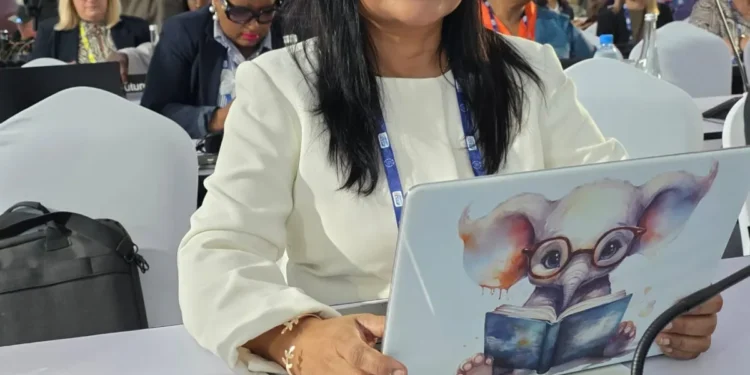
Natasha Singh, the Shadow Minister for Human Services and Social Security, is expected to give her presentation around 4:00 p.m. followed by Dr. Gordon Barker, the Shadow Minister for Education, at approximately 5:10 p.m. As the debates marched toward evening, Deon La Cruz, the Shadow Minister for Amerindian Affairs, was poised to present at around 6:40 p.m. contingent on whether the Assembly would adjourn for dinner. With the exception of Singh-Lewis, the presentations will mark debut interventions, signalling the start of an anticipated period of intense scrutiny of the national budget, as WIN Parliamentarians pledged accountability, discipline, and a people-centred focus.
The implications of the budget are immense, as financial decisions made at this level directly affect the lives of everyday citizens. From education funding and healthcare provisions to social services and community support, the national budget serves as a blueprint for the future of our nation. Understanding its nuances is not merely an exercise for policymakers; it is a civic duty for every resident. As the Guyanese populace engages with these debates, awareness of how the budget affects their lives can empower them to demand accountability and change.
Mohamed has consistently emphasised that the Government’s narrative surrounding this unprecedented budget is misleading. He has asserted that the apparent growth reflected in the budget does not correspond to tangible benefits for the citizens, stating, “The enormous size of the budget must translate into real solutions for our people.” This perspective aligns with the sentiment that merely constructing a budget of grand proportions does not inherently imply progress or improvement in the everyday realities faced by families across Guyana.
As the debates unfold, the Opposition echoes a message that resonates with many citizens: budgets should be reflective of the collective aspirations and challenges as opposed to being mere political statements. Mohamed urged the public to tune in to the discussions, as this moment represents “the most watched national budget debates in Guyana’s history.” This assertion speaks volumes about the growing engagement of the citizenry in matters of governance and finance, suggesting a shift towards increased accountability and participation in democratic processes.
Moreover, the participation of WIN Parliamentarians, many of whom are addressing this critical topic for the first time, adds a layer of new energy and optimism. Mohamed believes their contributions will usher in a new era of clarity and focus directed towards the needs of the people. He affirmed that these debates will redefine accountability and servant leadership, stating, “Where accountability meets substance, the people’s interests always come first.”
The significance of this budget cannot be overstated. It persists as a litmus test for the PPP Government’s commitment to ensuring that its lofty financial plans translate into improved conditions for all citizens. Mohamed’s assertions persistently challenge the PPP narrative, encouraging citizens to critically evaluate whether the measures outlined in the budget align with their lived experiences.
The Opposition says the budget should reflect citizens’ real needs rather than political messaging. Mohamed encouraged the public to follow the debates, describing them as the most watched in Guyana’s history, a sign of growing public engagement and rising expectations for accountability.
Azruddin Mohamed, Leader of the Opposition, reaffirmed that WIN’s approach to the national budget prioritises accountability and real solutions, promising to hold the government accountable “every second of the day,” a pledge that resonates with many across society.