Guyana has reaffirmed its commitment to global biosecurity and disarmament through participation in a regional workshop on the Biological Weapons Convention (BWC) held in Trinidad.
The BWC, established 50 years ago, is a key international treaty aimed at preventing the development, production and use of biological weapons. Guyana has been a signatory to the convention since January 3, 1973, and officially ratified and acceded to the treaty on March 26, 2013.
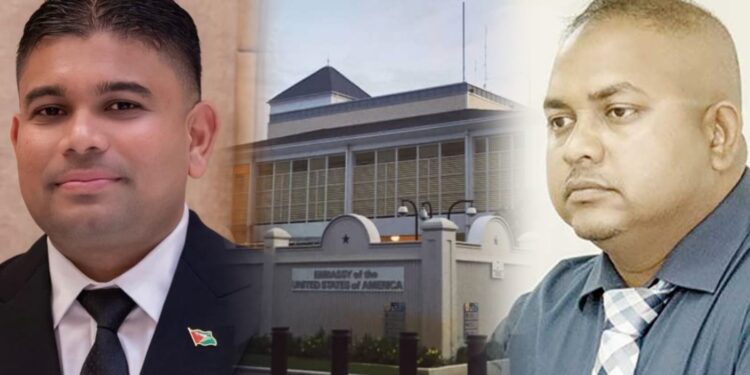
Guyana was represented at the workshop by its National Focal Points for the BWC, Dr Bheri Ramsaran and Dr Sawan Jagnarain. The event, titled “Regional workshop on the Biological Weapons Convention in the Caribbean,” brought together participating states to strengthen regional capacity and cooperation under the treaty.
“Being a State Party to the BWC is not only a demonstration of adhering to a global norm; it’s a profound commitment to international peace and security. It empowers Guyana to actively participate in multilateral efforts to prevent the proliferation of biological weapons, share best practices in biosafety and biosecurity, and contribute to a global framework of trust and transparency. This membership underpins our nation’s dedication to the peaceful uses of life sciences and technology, safeguarding public health, and protecting our unique biodiversity.”
The two-day workshop focused on building technical knowledge and practical skills to support the preparation of Confidence-Building Measures (CBMs), which are voluntary submissions under the BWC. CBMs are designed to enhance transparency, foster trust among states, and reinforce the international norm against biological weapons.
According to the release, the BWC also supports Guyana’s national development priorities and advances several Sustainable Development Goals (SDGs), including SDG 3 (Good Health and Well-being), SDG 5 (Gender Equality), SDG 14 (Life below Water), SDG 15 (Life on Land), and SDG 16 (Peace, Justice, and Strong Institutions). Participation under the convention strengthens disease surveillance, reporting mechanisms, biosafety practices, food security and institutional accountability.
“Workshops like this are essential for promoting dialogue, exchanging best practices, and developing a shared understanding of the complex issues related to biological threats. We aim to use these new insights to strengthen Guyana’s position as a responsible player in global biosecurity and non-proliferation.”
The workshop, held November 25- November 26, underscored the importance of regional collaboration as Caribbean states work collectively to address emerging biological risks and uphold international peace and security.