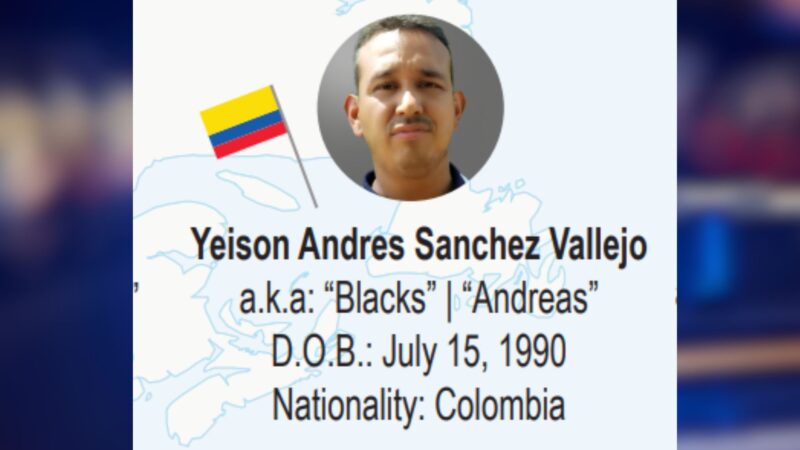
By Mark DaCosta- In a significant law enforcement operation, a Colombian national linked to a notorious drug trafficking network has been detained in our country. The individual, identified as Yeison Andres Sanchez Vallejo, is under suspicion of facilitating the transit of large quantities of cocaine by air and land routes from South America to international markets.
This recent apprehension comes amid heightened scrutiny surrounding the operations of various drug trafficking syndicates that exploit our geographic position and alleged regulatory weaknesses. Sanchez Vallejo, aged 33, was intercepted during a routine security check at the Kurupukari Police Checkpoint while travelling on a Lethem-bound minibus. Upon examination, it was discovered that he possessed a passport stamped with “RLL”, indicating he had been refused entry into the country.
Authorities quickly ascertained that Sanchez Vallejo is on a sanctions list issued by the United States Department of the Treasury’s Office of Foreign Assets Control (OFAC). This designation means he is considered a significant player in drug trafficking activities. Reports indicate that he is one of six individuals — including two Colombians and four Guyanese — cited for their roles in trafficking cocaine from remote areas in South America to destination markets in the United States, Europe, and the Caribbean. In June this year, these individuals were sanctioned due to their involvement in moving substantial drug shipments through our nation.
The Guyana Police Force, in a press statement, confirmed that Sanchez Vallejo is assisting with ongoing investigations into the broader drug trafficking operations. The implications of his arrest raise serious questions about the effectiveness of local anti-drug measures and the extent to which drug traffickers can operate within our territory. The police have stated, “This is part of a larger initiative to combat the drug trade that continues to plague our nation.”
Recent trends in narco-trafficking suggest that our country has inadvertently become a strategic transshipment point for illicit drugs, primarily due to its proximity to major drug-producing regions like Colombia and Venezuela. Corruption within law enforcement and customs, alongside insufficient border security, reportedly allows traffickers to utilise sophisticated methods, including illicit airstrips for drug importation. The U.S. Government has emphasised that this activity primarily involves the use of covert routes through our rivers and jungles, which are then exploited by traffickers who transport cocaine across continents.
Sanchez Vallejo’s arrest follows a disturbing revelation about the involvement of high-ranking officials, including a senior police officer, who have been implicated in these egregious activities. This situation further erodes the trust of our citizens in law enforcement agencies meant to protect them. The sanctioned individuals, including former policeman Mark Cromwell and businessman Paul Daby Jr., are all alleged to have colluded in these illicit operations, highlighting a deeply entrenched problem within the ranks of those sworn to uphold the law.
As the investigations unfold, it remains crucial for our government and law enforcement to focus on dismantling these networks effectively. The alarming scale at which cocaine is smuggled — from hidden bunkers on illegal airstrips to being flown out to global markets — serves as a stark reminder of the challenges our nation faces in combating drug trafficking.
We must hold accountable not only those who pursue these criminal activities but also the systemic failures that allow such operations to thrive unchecked. As agents of change, our law enforcement must engage in not only reactive measures but also proactive strategies to thwart the influence of drug cartels in our country. Sanchez Vallejo’s arrest is a single battle won, but the war against drug trafficking demands a unified front from all sectors of our society, particularly in light of the challenges posed by rampant corruption and complicity within some ranks of our own officials. It is imperative that we learn from these setbacks and take decisive action to protect our nation’s integrity.