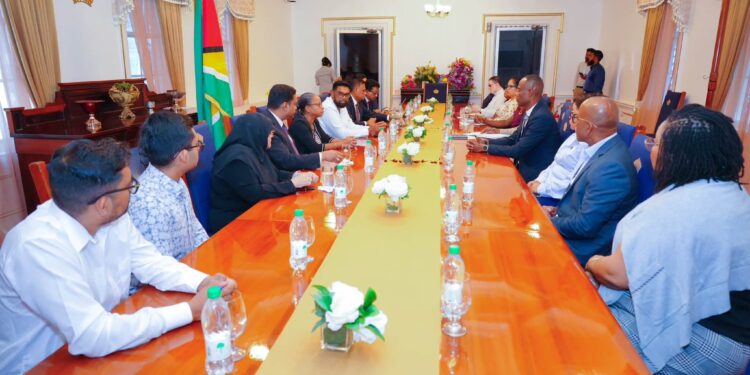
By Mark DaCosta-The education crisis in hinterland communities is becoming increasingly impossible to ignore. Azruddin Mohamed, the leader of the We Invest in Nationhood (WIN) party, has launched a determined campaign to bring attention to the alarming state of education in remote regions of our nation. His efforts have already prompted the closure of several educational institutions as he forces the ruling PPP government to confront the dire issues plaguing these communities.
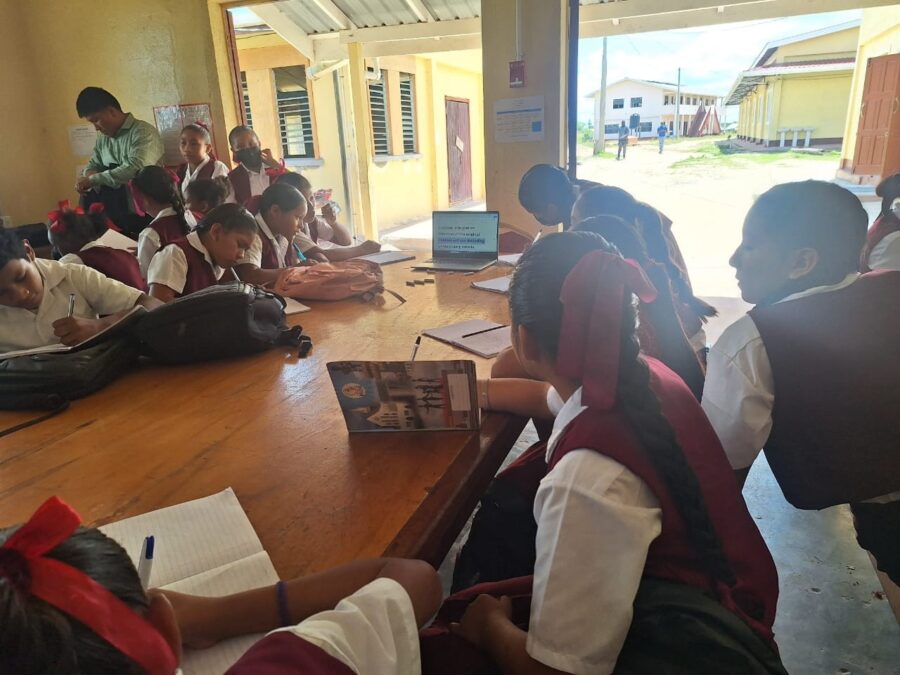
The latest revelation emerging from the southern Rupununi region is both shocking and troubling. It has come to light that Grade 7 students at Aishalton Secondary School have been relegated to sitting in the kitchen, devoid of proper furniture in classrooms for the entirety of the school term.
A staggering total of sixty-three students from three separate classes are forced to congregate in this makeshift setting every day, where the conditions are less than conducive to learning. Not only this, but the absence of blackboards in the kitchen compromises the students’ ability to engage meaningfully with the material presented on laptop screens. Compounded by these challenges, many parents are opting to keep their children at home, disillusioned by the lack of educational standards.
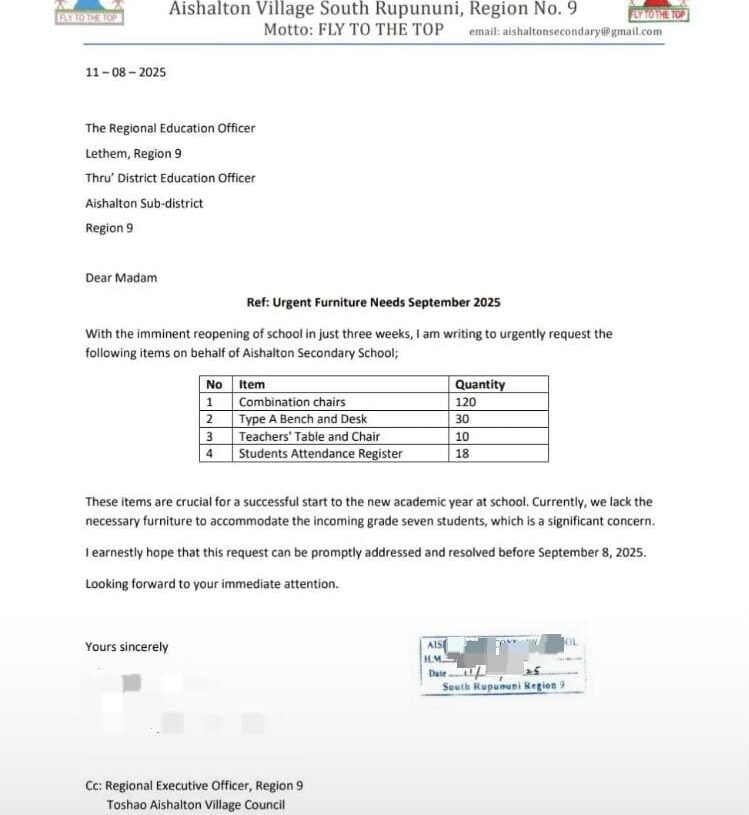
Aishalton Secondary is not isolated in this failure; it serves students from nearby villages, including Karaudarnau, Awarunau, and Maruranau, highlighting the widespread nature of this educational crisis. The school’s staff sought help from the Regional Educational Officer as early as August, requesting new furniture in preparation for the school year. Regrettably, as we reach the midpoint of the term, the situation remains stagnant, with no new equipment delivered to address the pressing needs of students.
In addition to the lack of basic furniture, students are also grappling with erratic electricity supply, which adversely affects their learning environment. The building itself struggles with poor ventilation, making the situation even more uncomfortable. Despite the obvious necessity for fans to promote some level of airflow, the ongoing electrical issues often leave these devices inoperable, further diminishing the overall learning experience.
The WIN party has taken a resolute stand, urging the Ministry of Education and the Regional Educational Officer to tackle these serious concerns without delay. The continued neglect of students in hinterland areas is not just a failure of policy but a betrayal of the very tenets of our nation’s commitment to education. Azruddin Mohamed’s relentless pursuit in exposing these deficiencies is drawing a much-needed spotlight on the existing educational disparities that have left countless children in dire circumstances.
The PPP government’s reluctance to address these issues has become glaringly apparent. As society grapples with the consequences of shoddy infrastructure and insufficient resources, many families bear the brunt of policymakers’ failures, affecting the futures of the youth in remote areas. Mohamed’s relentless activism could be seen as an essential catalyst for change, forcing the government to confront the realities that have long been tolerated in silence.
There is an urgent need for an immediate and coordinated response to rectify the educational failures in our hinterland communities. The Aishalton Secondary School situation is a stark reminder of the disparities that persist, burying our nation’s potential under layers of negligence and apathy. Until action is taken, the dreams and aspirations of an entire generation risk being stifled amidst the feeble promises of reform.
The plight of Aishalton’s students illustrates a broader crisis that must be addressed with the highest urgency. It is hoped that the pressure from leaders like Azruddin Mohamed will not be in vain, but will spur the necessary transformations to provide all students in our nation with the quality education they deserve.