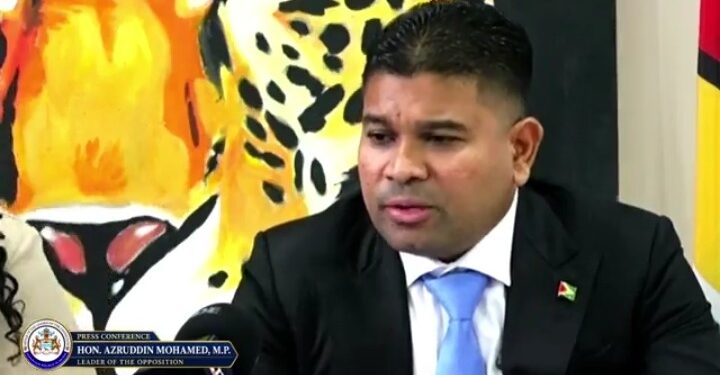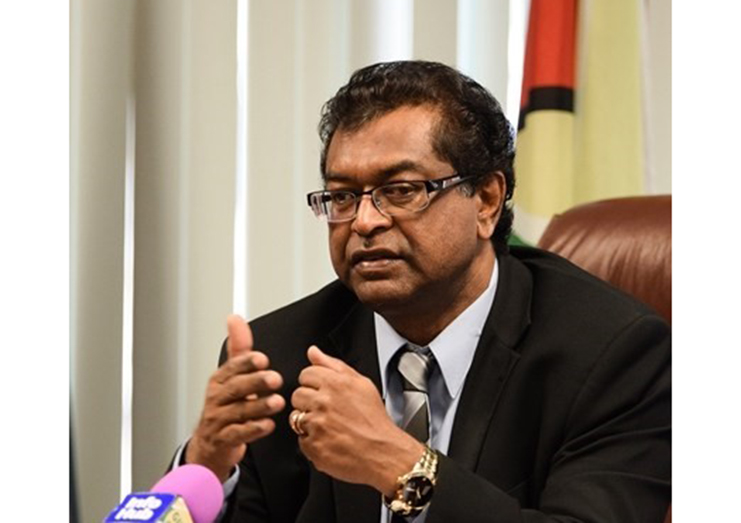
By Mark DaCosta- Azruddin Mohamed, presumptive Leader of the Opposition, has taken a firm stance on the pressing issue of Gender-Based Violence (GBV) in indigenous communities, particularly those in Region 9. His recent engagement at a workshop facilitated by the Child Rights Commission and UNICEF highlighted both the magnitude of the problem and the urgent need for effective intervention strategies. The session was a clarion call for awareness and proactive measures against GBV, a pervasive challenge that has long been neglected by the current government administration.
In a nation where rich cultural diversity often masks deep social issues, the grim realities of GBV are often overlooked. During the workshop, attendees were urged to form Community Child Care Task Forces. These groups would not only aim to eradicate GBV but also provide vital counselling and support services to those affected. This grassroots approach is critical, especially for rural communities that often lack access to professional mental health resources. As Mohamed pointed out, such initiatives are especially necessary given the “significant challenges Indigenous communities in Region 9 face — particularly the lack of transportation.” This hurdle prevents the very people who need help from receiving the care and support essential for healing and resilience.
The involvement of members from the WIN Movement’s Women’s Arm signals a growing solidarity among those committed to challenging the status quo. The Lethem Team WIN Office’s participation underscores an increasing recognition of the urgent need to address GBV in our hinterlands, traditionally under-resourced and often ignored by central governance. The workshop served as a platform for collaboration, with stakeholders sharing ideas and strategising how best to implement community-oriented solutions to an issue that has long plagued our society.
It is alarming that, under the stewardship of the current PPP government, regions such as the hinterlands have seen little in terms of effective policy implementation to tackle GBV and support the most vulnerable. Critics argue that the administration’s oversight of social issues reflects a broader neglect of our country’s minority communities. The lack of targeted focus suggests an alarming disconnect between policy and the lived realities of these citizens.
Azruddin Mohamed has emerged as a vocal advocate for those whose voices have been stifled. His commitment to shining a light on the plight of hinterland communities exposes the inadequacies and inefficiencies of the ruling party. As he stated, “This initiative is especially vital,” highlighting that while the leaders in the capital may turn a blind eye, the issues continue to fester in our rural areas.
The workshop was not merely a talk shop; it signified a shift in momentum towards community-driven initiatives that aim to reclaim agency for those affected by GBV. In a socio-political landscape where the PPP has been slow to respond to grassroots needs, the formation of these task forces represents a significant step towards local empowerment. Each task force aims to bridge the gap between Indigenous communities and the vital resources they require to combat GBV and ensure holistic care for survivors.
As the nation awaits a more robust response from its leaders, the need for collective action becomes ever more pressing. The drive for accountability and support for those grappling with GBV must not just be a fleeting policy initiative but a sustained effort to ensure the safety and health of all citizens, particularly the most vulnerable. With leaders like Azruddin Mohamed championing these causes, there is hope that the marginalised voices in our hinterlands will finally be heard, and their needs adequately addressed.
As this narrative unfolds, it becomes increasingly clear that the PPP must be held accountable for its shortcomings. Our country deserves a government that prioritises the wellbeing of every citizen, especially those living in the remote areas who continue to battle pressing societal issues largely unseen by the powers that be.