(WiredJA)- On September 7th, President Irfaan Ali stood before his nation and declared: “We recognise and respect the essential watchdog role of the media, and we will ensure greater transparency.” The words rang hollow in newsrooms across Georgetown, where journalists know the bitter truth—that in Ali’s Guyana, the press is more likely to face lawsuits than access, intimidation than information.
Just days after Ali’s re-election to a second term, Reporters Without Borders delivered a scathing verdict that should shame any democratic leader: Guyana’s government must fundamentally “reset” its relationship with the media, abandoning what the international watchdog called an entrenched “culture of antagonism” toward journalists.
A Tale of Two Rankings
The numbers tell a damning story. While Guyana sits at a respectable 73rd position overall in RSF’s 2025 World Press Freedom Index, its political indicator plunges to 111th place—a chasm that exposes the government’s outsized control over media freedom. This isn’t theoretical oppression; it’s systematic suppression with real consequences for democracy.
The European Union Election Observation Mission painted an equally disturbing picture of the recent elections, finding that “the undue advantages of incumbency contributed to an uneven playing field” and that “the media landscape was strongly politicised, giving voters fewer opportunities to access diverse perspectives.”
For a country that prides itself as a member of the 51-nation Media Freedom Coalition, this represents a profound betrayal of democratic principles.
The Leroy Smith Warning
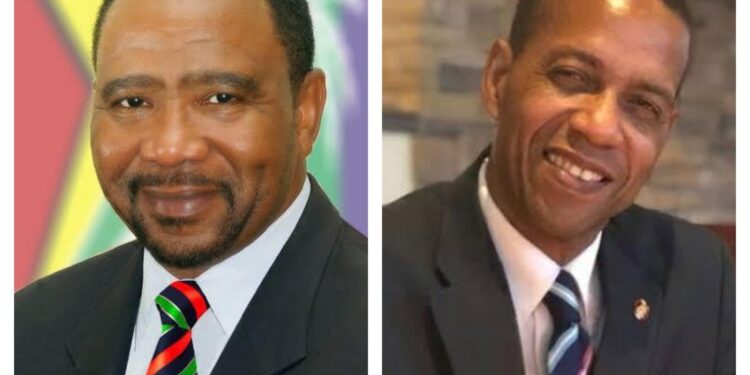
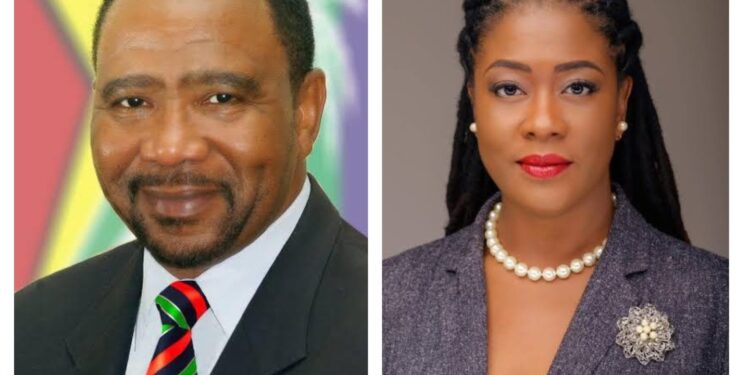
No case better illustrates the government’s weaponization of the legal system than that of Leroy Smith, publisher of Big Smith News Watch. In October 2024, Smith found himself targeted by a staggering $600 million defamation lawsuit filed by Assistant Commissioner of Police Fazil Karimbaksh, the head of the Special Organised Crime Unit (SOCU), after Smith reported on alleged misconduct.
But the lawsuit was just the beginning—Smith was also threatened with sedition charges, a colonial-era weapon that most developed democracies have long since abandoned.
The Guyana Press Association noted that the European Union itself has observed that despite constitutional guarantees of free expression, “Guyana is at odds with international obligations regarding having on its law books seditious libel and criminal defamation.”
Smith’s ordeal sends an unmistakable message: challenge the government’s preferred narrative at your financial peril.
The Architecture of Control
The Ali administration has constructed a sophisticated system of media control that would make authoritarian regimes proud. Guyana’s president directly appoints members of the Guyana National Broadcast Authority, giving government allies the power to revoke broadcast media licenses. This isn’t regulatory oversight—it’s regulatory capture.
Journalists report that the government selectively grants interviews and advertising opportunities to favored outlets, creating a two-tier system where independent voices are systematically starved of access and revenue.
Public officials, including President Ali himself, routinely insult journalists, setting a tone that filters down to government supporters who commonly harass media workers, according to RSF’s annual surveys.
The Three-Point Reset
RSF’s recommendations read like a basic primer on democratic governance—which itself is an indictment of how far standards have fallen. The organization calls for three fundamental changes:
First: End the hostility emanating from the highest levels of government. “Clear signals that the harassment of journalists is unacceptable must come from the very top,” RSF emphasises.
Second: Codify rules ensuring impartial government advertising, preventing the current practice of rewarding friendly outlets while punishing critical ones.
Third: Guarantee transparent and equal access to all media, not just government favorites.
These shouldn’t be revolutionary concepts—they’re democracy 101.
Regional Stakes
“Open hostility from the government towards the media has become a regrettable norm in Guyana,” warns Clayton Weimers, RSF’s Executive Director for North America. “This culture of antagonism is directly holding Guyana back on the World Press Freedom Index. It doesn’t need to be this way.”
But the implications extend far beyond Guyana’s borders. The Caribbean has long prided itself on peaceful democratic transitions, setting itself apart from regions where press freedom withers under political pressure. Ali’s approach threatens to normalize the very practices that have undermined democracy elsewhere.
The Choice
President Ali now faces a defining choice. He can honor his inaugural pledge and embrace the reset RSF has offered, treating journalists as essential democratic partners rather than political enemies. Or he can continue down the current path, further cementing Guyana’s reputation as a place where press freedom goes to die.
“The free press must always be an essential part of Guyana’s democracy,” Weimers noted, offering RSF’s assistance in facilitating a healthier government-media relationship.
The question isn’t whether Ali has the power to change course—it’s whether he has the democratic courage to do so. Guyanese journalists, and the citizens who depend on their work, are watching. So is the world.
The reset starts now—if Ali chooses to take it.