By Mark DaCosta- In a significant shift following a disappointing electoral performance, the A Partnership for National Unity (APNU) has unveiled its new parliamentary members set to represent the coalition in the 13th Parliament. This comes after the coalition, once a formidable force in Guyanese politics, suffered a dramatic decline in public support, seeing its own leader, Aubrey Norton, choose not to return to parliamentary duties.
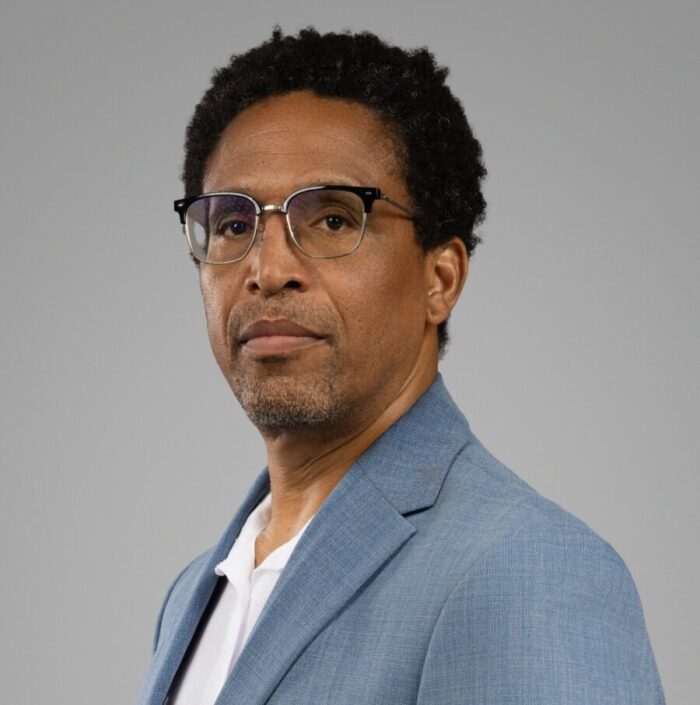
Terrence Campbell, a businessman and relative newcomer to national politics, has been appointed the parliamentary leader for APNU’s 12-member contingent. Norton declared his intention to remain at the helm of the People’s National Congress and APNU, after stepping back from active participation in the National Assembly, stating, “I will work to continue the rebuilding of the party,” as he focuses on restructuring and rejuvenating its approach in the wake of the September 1 elections.
The recent elections did not favour the APNU as anticipated. Once dominant in the parliamentary arena with 31 seats, in a coalition with the Alliance for Change (AFC), the APNU fell to a mere 12 seats, relegating it to the unofficial status of third party behind the ruling People’s Progressive Party/Civic (PPP/C) and the newly established We Invest in Nationhood (WIN), which has now assumed the role of the main opposition. Campbell’s leadership marks a departure from traditional politics, and despite his outsider status, he brings a wealth of experience in finance and logistics that the party hopes will resonate with constituents.
The lineup of APNU’s new MPs reflects a blend of varied skills and experiences. Joining Campbell are Sherod Duncan, Juretha Fernandes, Ganesh Mahipaul, David Hinds, Sharma Solomon, Vinceroy Jordan, Nima Flue-Bess, Saiku Andrews, Coretta McDonald, Riaz Rupnarain, and Dexter Todd. Norton emphasised the need for a mix of “experience, activism, and professional expertise” among the new representatives, indicating a strategic shift as the party seeks to forge stronger connections with the electorate.
The absence of Aubrey Norton from Parliament has been met with mixed reactions. Many believe that this move may allow for fresh perspectives within the partnership’s leadership and pave the way for new strategies in the face of declining popularity. Norton clarified that his focus would now be on instigating reforms within APNU to equip it better for future electoral battles. “I hope that is an indication that I have no intention of running for the presidency in the future,” he remarked, hinting at a broader contemplation of leadership beyond his immediate tenure.
The disappointing outcome for APNU not only highlights internal challenges but also externally positions it against the backdrop of a politically charged environment led by the PPP/C. The PPP’s dominance has not only created a chasm in the opposition landscape but has also led to calls for APNU’s revitalisation efforts as it faces the urgent need to address the concerns of the electorate disillusioned by the current government. As Norton hinted, “APNU would need a ‘war chest’ – a lot of money – to contest future elections,” underlining the financial implications of their current struggle.
As the new parliamentary team prepares to convene, it faces the daunting challenge of not only reclaiming its former relevance but also redefining its identity in a saturated political sphere. The resolve to unite and fortify their mission against the ruling party resonates loud among the new MPs, with party leaders reiterating their commitment to dismantling the PPP/C’s governance through united efforts and grassroots connection.
The coming months will likely reveal whether APNU can navigate this turbulent political landscape and rebuild trust with the voters as it battles to reclaim its stature and reinvigorate the party amidst a prevailing sense of uncertainty in our nation’s political fabric. With new leaders at the forefront, there remains cautious optimism about the future for APNU as they seek to rectify their course amid fierce competition and public scrutiny.