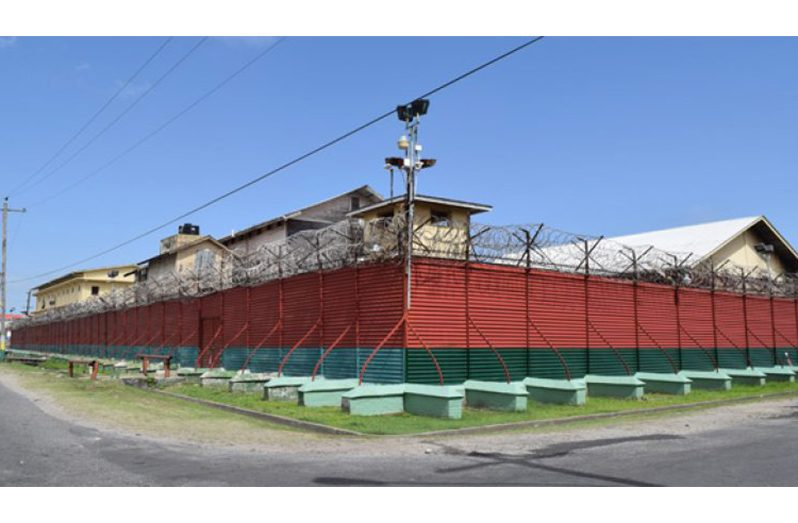
By Mark DaCosta- A sustained, multi‑million investment in prison infrastructure, staff professionalisation and rehabilitative programming has coincided with a marked fall in repeat offending in our nation, according to a recent Safeguarding Our Nation feature that casts the Guyana Prison Service as a regional leader in reducing recidivism.
Safeguarding Our Nation presents a picture of radical change inside the country’s custodial system, where officials say the emphasis has shifted from mere detention to preparing inmates for life after release. The Prison Service reports that only around one in seven former inmates returns to custody — a figure it contrasts with much higher rates in neighbouring Caribbean states — and attributes the improvement to a comprehensive reform package launched from 2021. Central to that package is the largest infusion of capital ever directed at correctional services here: more than GY$28 billion has been channelled into new facilities, accredited training for staff, and certified rehabilitation courses for prisoners.
Numbers cited by authorities show the total number of persons behind bars fell slightly between July 2024 and July 2025, and officials say this decline reflects both policy changes and an evolving organisational culture. During 2024, more than 820 detainees completed certified vocational qualifications across trades such as masonry, agriculture, welding, electrical installation and garment making — skills that authorities argue increase prospects of lawful employment on release. Complementing practical instruction are therapeutic services: inmates are being offered counselling, cognitive re‑education, anger‑management programmes and treatment for substance dependence, all part of an effort to tackle the behaviours that often lead to reoffending.
The Prison Service has also expanded opportunities for remunerated work. Detainees are engaged on projects undertaken with private partners and receive stipends they can remit to families, a change touted by managers as strengthening community ties and incentivising good conduct. For those stepping back into civilian life, a reintegration scheme branded the Fresh Start Initiative offers business guidance and mentorship; officials say more than fifty ex‑inmates have started income‑generating enterprises since the programme began in 2022.
Reform has not been limited to prisoners. Staff development is being presented as a foundation of the new model: prison officers can now pursue accredited training through the University of Guyana, salaries have been raised substantially in a bid to professionalise the workforce, and welfare measures such as improved housing and mental‑health support have been rolled out. The service plans to begin use of body‑worn cameras imminently, and it is the only agency authorised to provide taser training to other elements of the security forces, according to the statement. A dedicated recruitment board has been established to widen and make transparent the selection process across the country’s ten regions, and internal discipline mechanisms are being stressed to hold staff to account.
While the narrative advanced by the Prison Service is one of measurable success and humane practice, independent scrutiny remains important. The claim that archaic punishments have been abolished and replaced with dignity‑centred approaches will require verification across the estate, and the long‑term effectiveness of current programmes will need to be judged against reconviction trends over a longer horizon. The modest fall in the inmate population — a decrease of just under three per cent over a year — suggests progress but also points to the scale of the challenge that remains.
For citizens concerned about public safety, the message from officials is that rehabilitation and community‑based support can reduce crime and ease the burden on the courts and prisons. For those tracking governance and accountability, the reforms raise questions about independent oversight, data transparency and the sustainability of funding streams that have fuelled the recent changes. As the Safeguarding Our Nation series continues, the Prison Service’s claims will be watched closely by policymakers, civil‑society actors, and families across our nation who stand to gain if the promise of second chances is sustained and translated into lasting reductions in reoffending.