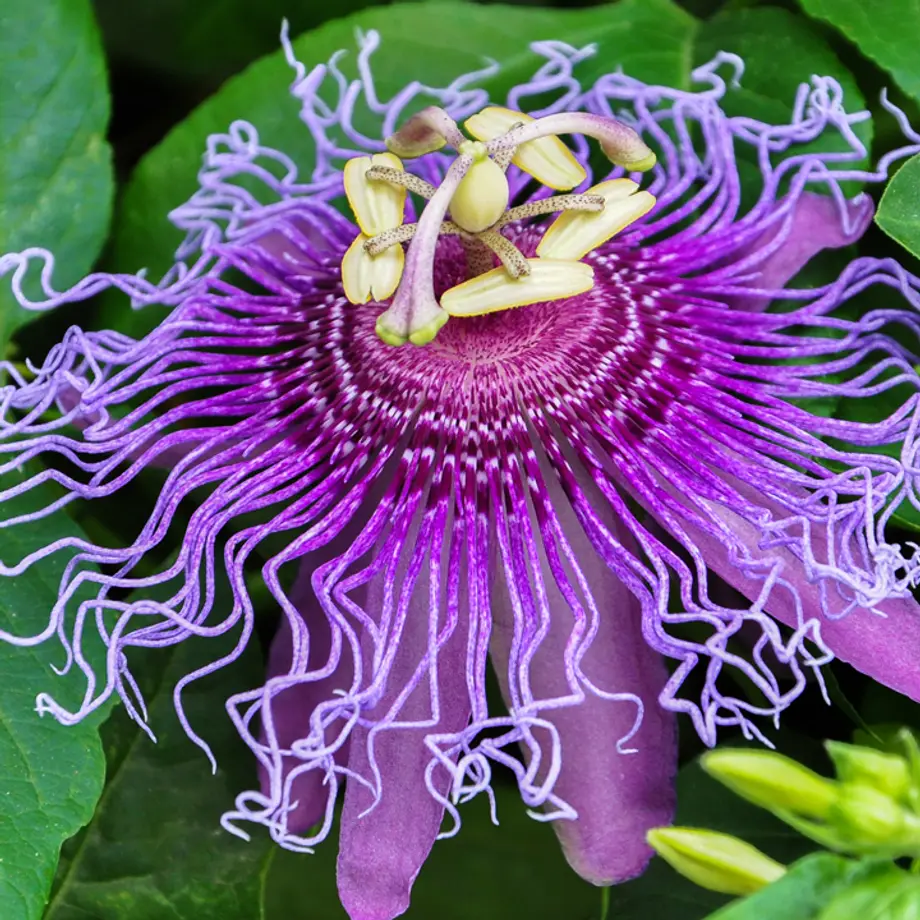
Passion flower is native to the southeastern United States and Central and South America. It’s been traditionally used to help with sleep.
People use passion flower for anxiety, including anxiety before surgery. Some people also take passion flower for insomnia, stress, ADHD, pain, and many other conditions. But there is no good scientific evidence to support these uses. In some foods and beverages, passion flower is added for flavoring.
Uses & Effectiveness
Possibly Effective for
- Anxiety. Taking passion flower by mouth can reduce symptoms of anxiety. It might work as well as some prescription medications.
- Insomnia. Taking passion flower by mouth can modestly improve the total amount of time spent asleep.
- Anxiety before a procedure. Taking passion flower by mouth can reduce anxiety when taken 30-90 minutes before surgery. In fact, it might work as well as some other treatments for anxiety before surgery, such as melatonin or midazolam. But it might also interact with some anesthesia drugs, so don’t use passion flower before surgery unless recommended by a healthcare provider.
There is interest in using passion flower for a number of other purposes, but there isn’t enough reliable information to say whether it might be helpful.
Side Effects
When applied to the skin: There isn’t enough reliable information to know if passion flower is safe or what the side effects might be.
Special Precautions and Warnings
When applied to the skin: There isn’t enough reliable information to know if passion flower is safe or what the side effects might be.
Pregnancy : Passion flower is possibly unsafe when taken by mouth during pregnancy. It might lead to early labor and other problems. There are some chemicals in the passion flower plant that might cause the uterus to contract. Don’t use passion flower if you are pregnant.
Breast-feeding: There isn’t enough reliable information to know if passion flower is safe to use when breast-feeding. Stay on the safe side and avoid use.
Children: Passion flower is possibly safe for most children when taken by mouth for short periods of time. A specific passion flower product (Pasipay by Iran Darouk Pharmaceutical Company) has been used safely in children aged 6-13 years for up to 8 weeks.
Surgery: Passion flower might slow down the nervous system. Anesthesia and other medications used before and after surgery can also slow down the nervous system. Taking them together might slow down the nervous system too much. Talk to your healthcare provider if you are taking passion flower within 2 weeks of a scheduled surgery.
Interactions
Moderate Interaction
Be cautious with this combination
-
Sedative medications (CNS depressants) interacts with PASSIONFLOWER
Passion flower might cause sleepiness and slowed breathing. Some medications, called sedatives, can also cause sleepiness and slowed breathing. Taking passion flower with sedative medications might cause breathing problems and/or too much sleepiness.
Minor Interaction
Be watchful with this combination
-
Medications moved by pumps in cells (Organic Anion-Transporting Polypeptide Substrates) interacts with PASSIONFLOWER
Some medications are moved in and out of cells by pumps. Passion flower might change how these pumps work and change how much medication stays in the body. In some cases, this might change the effects and side effects of a medication.
-
Medications changed by the liver (Cytochrome P450 3A4 (CYP3A4) substrates) interacts with PASSIONFLOWER
Some medications are changed and broken down by the liver. Passion flower might change how quickly the liver breaks down these medications. This could change the effects and side effects of these medications.