A growing number of observers are expressing alarm at what they see as a disturbing pattern of selective enforcement, political interference, and international pressure targeting opposition candidates ahead of September 1, 2025 General and Regional Elections. Chief among them, are presidential hopeful Azruddin Mohamed of the We Invest In Nationhood (WIN) Party and candidates associated with his party.
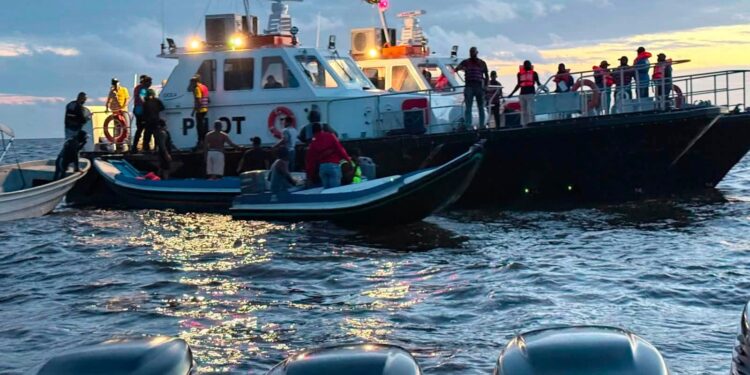
Roraima Airways has refused to transport Mohamed to any domestic destination in Guyana, citing sanctions from the U.S. Department of the Treasury’s Office of Foreign Assets Control (OFAC). The decision effectively limits his ability to campaign across the country and highlights the growing extent to which U.S. actions are shaping the local electoral landscape.
Adding fuel to the fire, U.S. Ambassador Nicole Theriot last month stated that the U.S. would be “deeply concerned” if Mohamed were elected to Parliament, bluntly noting that such a scenario would be “problematic in multiple ways” for Washington. She emphasised that even if Mohamed were elected to serve on a parliamentary committee, the U.S. would have to avoid having anything to do with a sanctioned individual. This stark declaration sparked outrage, especially given that Guyana’s laws and the Guyana Elections Commission (GECOM) have not barred Mohamed from contesting.
Though the Ambassador later attempted to walk back her comment—saying just yesterday that she was “a little upset” and that the U.S. has “absolutely no interest in interfering in your elections”—many in Guyana remain unconvinced. “The damage was already done,” said one observer. “It’s difficult to see this as anything but a clear attempt to sway the outcome of our elections.”
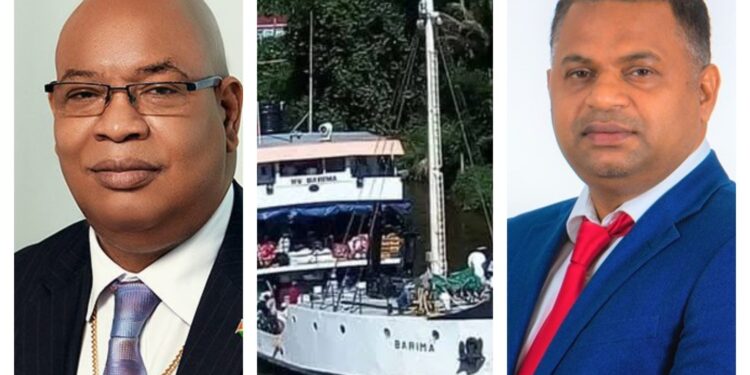
What’s worse, Mohamed and other WIN candidates have found themselves locked out of the banking system, with institutions such as Demerara Bank, Citizens Bank, Guyana Bank for Trade and Industry (GBTI), and the New Building Society all moving to suspend or close their accounts. Each institution cites either the OFAC sanctions or local Anti-Money Laundering and Countering the Financing of Terrorism (AML/CFT)—but none has pointed to a specific legal provision or due process.
The Guyana Association of Bankers Inc (GABI) has since defended the decisions of its member institutions, but public trust is fraying.
In a blistering letter to the GABI, respected academic and governance advocate Dr. Christopher Phekni condemned what he called a “coordinated and troubling pattern” of discrimination and demanded explanation.
“The abrupt and unexplained closure of savings accounts belonging to several WIN Party candidates is gravely concerning,” Dr. Phekni wrote. “These actions lack transparency and due process and raise serious questions about political interference and the suppression of democratic participation.”
The campaign against Mohamed appears to be far from spontaneous. Reports have emerged that the Government of Guyana is paying a foreign lobbyist US$50,000 per month to smear Mohamed’s reputation abroad, including through U.S. members of Congress who have echoed negative talking points.
Many now see a coordinated effort, involving both local institutions and international actors, to marginalise a political opponent and tilt the electoral playing field in favor of the ruling People’s Progressive Party (PPP). Critics are now pointing to a stark double standard.
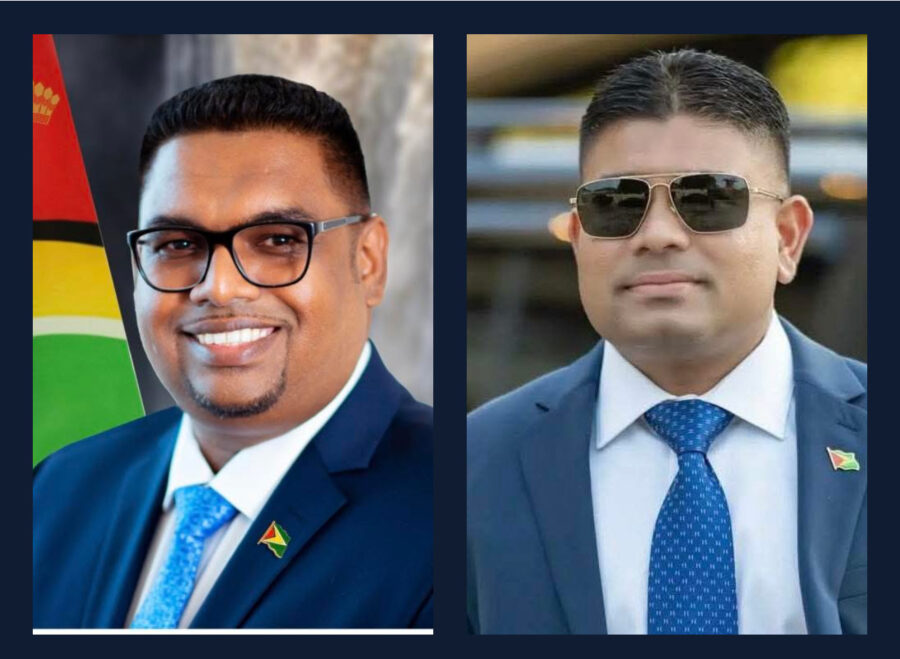
In 2020, then-PPP presidential candidate Irfaan Ali faced 19 criminal fraud charges stemming from his time as Housing Minister, involving the alleged underpricing of state land valued at over $174 million. His Canadian visa was revoked as a result of those charges. Yet the governing A Partnership for National Unity and Alliance for Change (APNU+AFC) coalition at the time never moved to block Ali’s candidacy. Nor did any foreign embassy publicly condemn his campaign.
Ali’s charges were eventually dropped in August 2020, mere weeks after he was sworn in as president. His legal team had argued that, under Article 182 of the Constitution, no criminal proceedings could be brought against a sitting president. The Director of Public Prosecutions later agreed that prosecuting a sitting head of state would not be in the public interest, effectively burying the case.
“This glaring disparity is impossible to ignore,” said a political analyst. “Ali was allowed to run while under indictment, and now Mohamed—who has not been charged with anything locally—is being boxed out with the full force of both state and international machinery.”
The mounting pressure on Mohamed and the WIN Party raises urgent questions about fairness, sovereignty, and electoral integrity. As the 2025 election approaches, the appearance of a coordinated campaign—both domestic and foreign—threatens to erode public confidence in Guyana’s democratic process.
“The people of Guyana should choose their leaders, not foreign governments or banks,” said one concerned citizen. “Democracy demands a level playing field. Right now, it doesn’t look like we have one.”