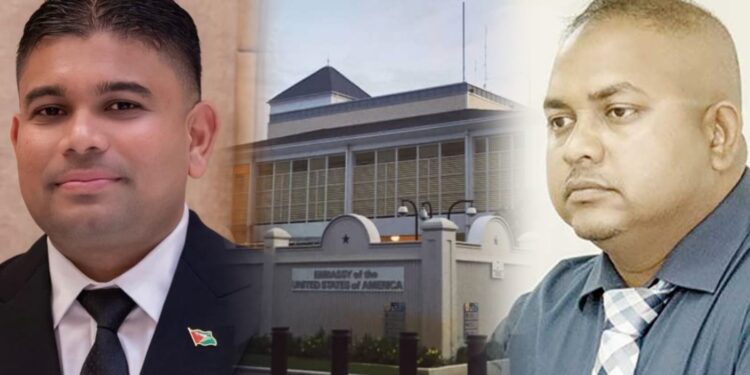
As Guyana prepares for its pivotal General and Regional Elections on September 1, the Guyana Elections Commission (GECOM) hosted a high-level meeting with representatives from the diplomatic missions of the United States, United Kingdom, Canada, European Union, and United Nations Development Programme (UNDP) on Thursday, July 24. The session was aimed at providing a status update on the Commission’s state of preparedness.
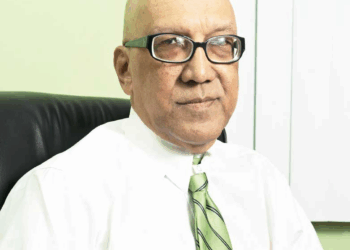
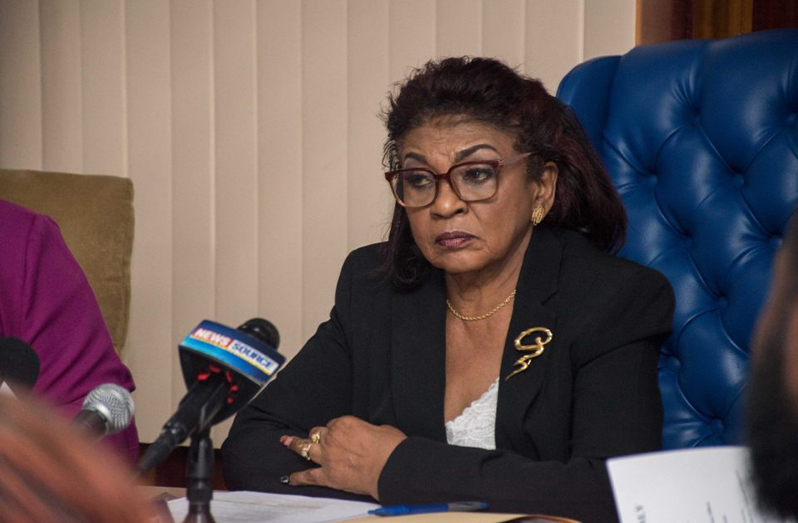
GECOM Chairperson, Justice (ret’d) Claudette Singh, welcomed the diplomats and expressed appreciation for the continued technical support being provided through various international partnerships. She noted that these contributions have strengthened the Commission’s ability to meet international standards for credible elections. Deputy Chief Election Officer, Aneal Giddings, delivered a comprehensive overview of GECOM’s operational activities and affirmed the Commission’s readiness to conduct free, fair, and transparent elections.
However, the meeting took place against the backdrop of growing public distrust in the Commission’s ability to deliver a credible electoral process, stemming largely from its failure to clean the Official List of Electors and implement biometric voter identification. The issue was further inflamed by a recent exposé by the Forward Guyana Movement (FGM), which revealed that GECOM had issued a national ID card to an individual who was not a registered voter.
In response to the revelation, GECOM acknowledged receipt of the complaint and confirmed that the matter was reported to the Guyana Police Force for investigation. The case has fueled nationwide concerns that the problem is more widespread, reinforcing longstanding calls for the urgent introduction of biometric identification at polling stations to guard against fraudulent voting.
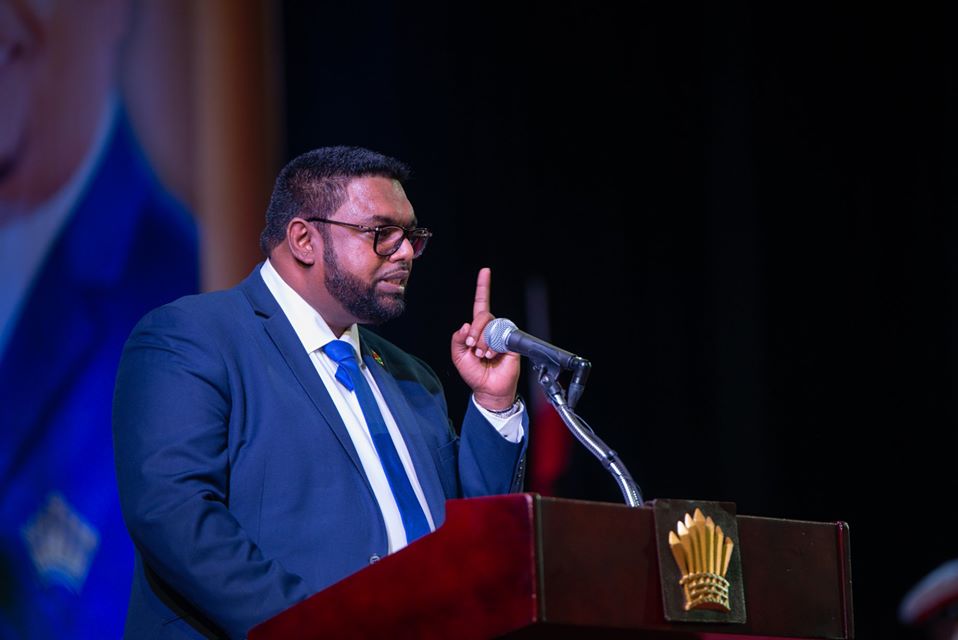
Opposition-nominated GECOM Commissioner Vincent Alexander has been vocal in condemning the Commission’s leadership for failing to act decisively. The government-appointed commissioners of GECOM, the Chairperson, and GECOM’s administration continue to trumpet GECOM’s preparedness for elections, notwithstanding the obvious need to put certain measures in place to mitigate, if not alleviate, the possibilities of fraudulent voting, Alexander stated.
He warned that GECOM’s internal systems are vulnerable, arguing that the FGM’s findings expose a deeper threat to electoral integrity. “This is but one scenario of how fraudulent voting can actually occur,” he said, adding that past evidence of similar instances had been “covered up and ignored.”
While GECOM and its international partners emphasised collaboration and transparency during the meeting, many observers believe that institutional reassurances alone will not be enough to restore public confidence. Critics argue that unless GECOM takes concrete action to address systemic vulnerabilities, starting with biometric safeguards and list sanitization, the legitimacy of the upcoming elections may be irreparably damaged.
All eyes remain on GECOM’s next moves, with the electorate, political stakeholders, and international observers demanding not just promises, but proof of a process capable of withstanding scrutiny.