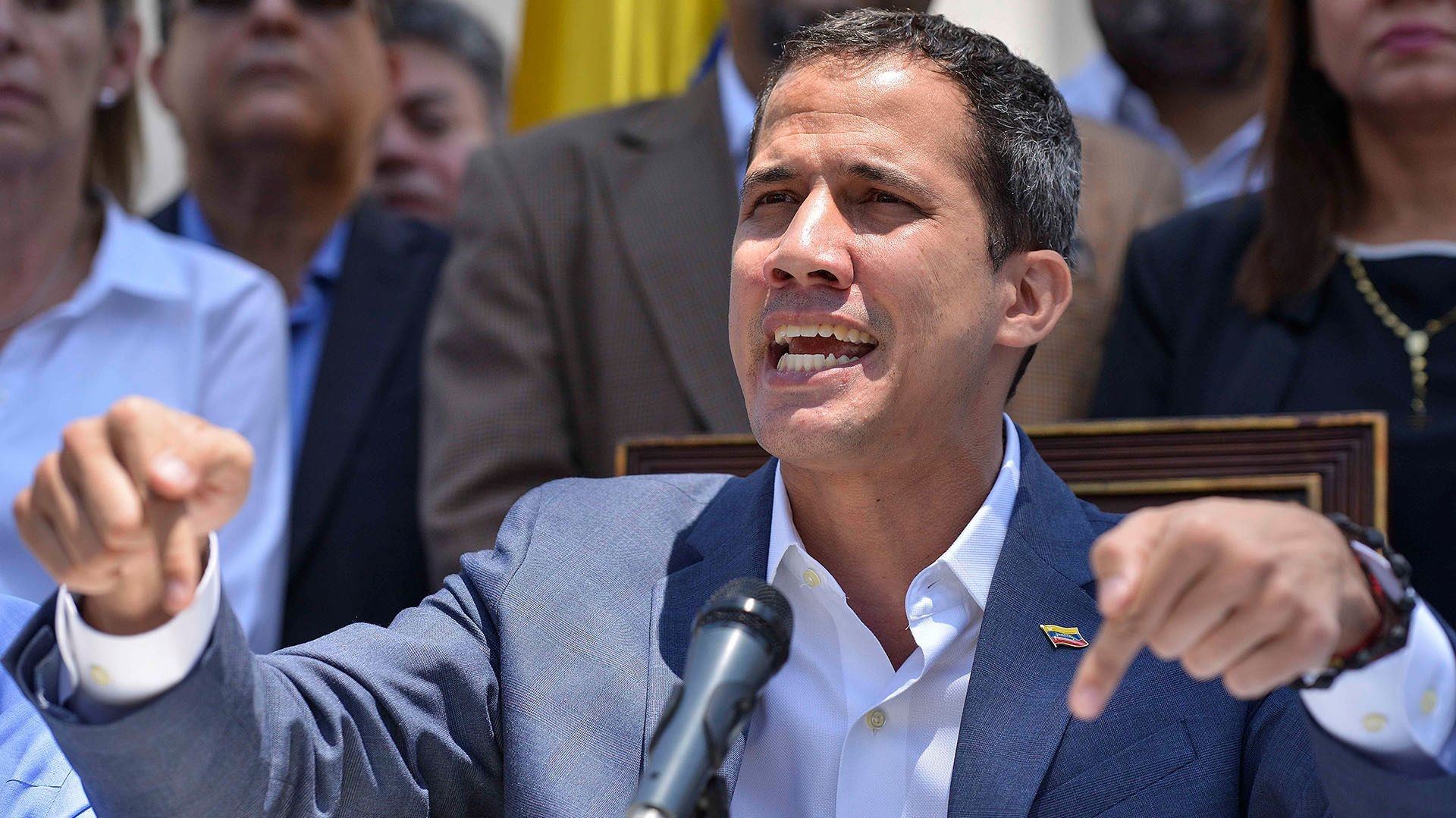
The Ethnic Relations Commission (ERC) has called for the immediate banning of the controversial song “Good Like Jesus” by Jamaican dancehall artiste Vybz Kartel, citing its “blasphemous and deeply offensive” lyrics as a threat to interfaith harmony in Guyana.
The ERC issued a strongly worded statement condemning the track, which it says contains content that is profoundly disrespectful to the Christian faith and potentially offensive to the broader religious community. “Content that demeans such a universally respected figure risks offending multiple faith communities and threatens the delicate balance of inter-religious harmony in our society,” the statement reads.
The Commission noted that Jesus Christ is not only sacred to Christians, but is also revered in Islam as the prophet Isa and held in spiritual esteem within certain Hindu traditions. It argued that such religiously provocative content undermines Guyana’s multicultural and multi-faith identity and erodes mutual respect among its diverse communities.
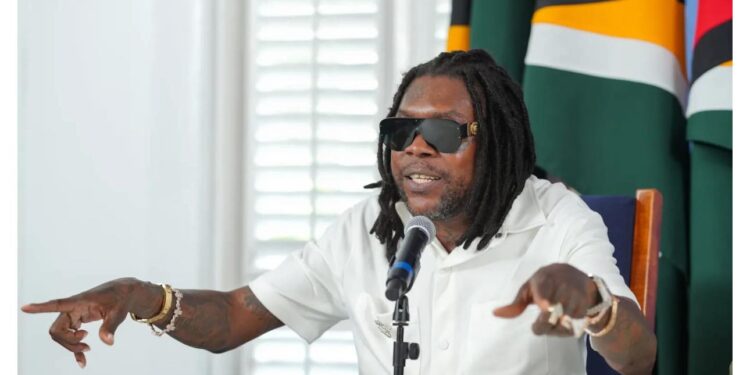
Calling for the immediate removal of the song from Guyanese airwaves and digital platforms, the ERC said it would be engaging concert promoters to halt any further dissemination of the track, describing the move as “a necessary measure to prevent further injury to the Christian community and to uphold public standards of decency and mutual respect.”
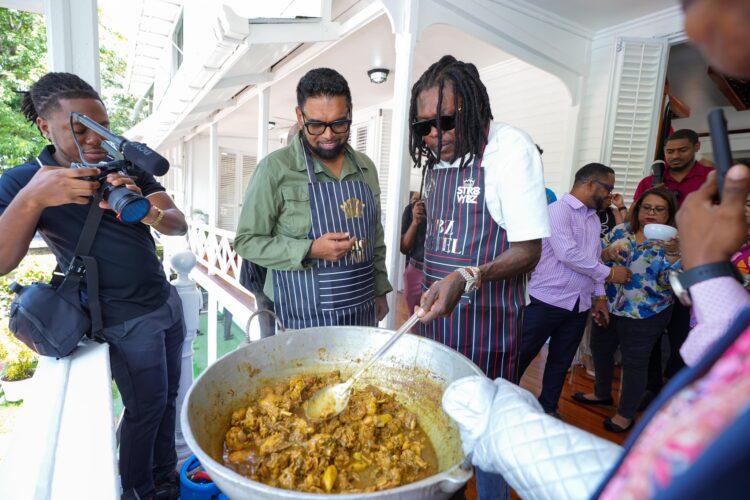
But the controversy has taken a sharply political turn following revelations that President Irfaan Ali recently hosted Vybz Kartel at State House in a spectacle critics have slammed as “disturbing” and “tone-deaf.” The President was filmed laughing, partying, and cooking curry with the controversial artiste—behavior many have denounced as embarrassingly unpresidential.
One outraged commentator remarked, “Birds of a feather flock together. The President has shown the same disregard for the Guyanese people as Kartel has for the Christian faith.” The juxtaposition of national leadership with a figure under fire for religious mockery has ignited outrage, raising questions not only about presidential judgment but about the seriousness with which the government treats the values it claims to protect.