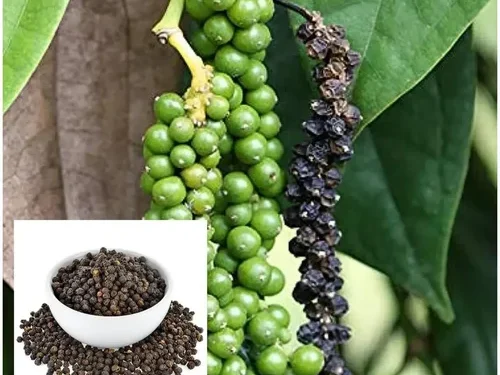
Sarsaparilla is a plant species that has been used for easing arthritis symptoms, fighting infections, relieving skin issues, and potentially treating cancer. Research on the supplement’s health benefits is limited, but it is rich in compounds that have anti-inflammatory, antiviral, and antibacterial properties.
There are few reported side effects of sarsaparilla, but it may not be safe for everyone. Some people shouldn’t take this supplement, including those who are pregnant or breastfeeding, or those taking the heart medication digoxin.
Purported Benefits of Sarsaparilla
The sarsaparilla root has been used medicinally for centuries. Many parts of the sarsaparilla plant are used as flavorings in foods and beverages. Interestingly, in the United States, the once-common drink named sarsaparilla didn’t contain any ingredients from the plant—it contained flavoring from the sassafras plant.
Anti-Cancer Effects
Sarsaparilla is believed to be an antioxidant, which can lower your body’s levels of free radicals. Free radicals are molecules out of balance, and high levels of them are believed to contribute to many diseases, including cancer.
While several studies suggest that sarsaparilla extract can slow the growth and migration of cancer cells and possibly even kill them, these results were seen in mice and not conducted in human trials.
Researchers have identified several mechanisms they believe are at work in the anti-cancer processes of sarsaparilla. Preliminary studies have found that sarsaparilla was able to stop cancer from spreading by inhibiting the signaling of transforming growth factor-beta 1 (TGF-ß1).
Other research by some of the same scientists suggested sarsaparilla promoted beneficial changes in cancerous cells by slowing growth and increasing cancer cell death.
However, these findings lack sufficient evidence and need further investigation in human trials.
Antioxidant Effects and Skin Health
Sarsaparilla’s antioxidant properties may also make it beneficial to your skin. In a Korean study, researchers found the Smilax glabra root appeared to significantly inhibit oxidative damage and slow some processes associated with aging.
Sarsaparilla also seemed to increase several beneficial substances in the body and decrease destructive ones, which could contribute to healthier-looking skin.
Additionally, one study suggested that astilbin, a flavonoid in sarsaparilla, shows promise as a treatment for psoriasis.
Anti-Inflammatory Properties
A few preliminary studies support the claims that sarsaparilla is an anti-inflammatory, which could mean it has a role in treating inflammatory diseases, such as hepatitis and rheumatoid arthritis.
Another study suggested that two extracts of the sarsaparilla plant could suppress multiple indicators of inflammation, including nitric oxide, tumor necrosis factor-alpha, and interleukin.
Effects on Oxidative Stress and Kidney Function
Researchers looked at the potential of astilbin—a flavonoid derived from sarsaparilla species—for improving kidney function.
Oxidative stress, associated with free radicals and nitric oxide, can harm the kidneys. As an antioxidant, astilbin appears to suppress oxidative stress and, thereby, offers some kidney protection.
These findings may be used to support claims of sarsaparilla’s traditional detoxifying effect. However, the need to detox isn’t supported by medical findings in people without severe liver and/or kidney disease. Therefore, it is important to be careful with products claiming to have detoxifying effects. Be sure to consult with your healthcare provider before using any such supplements.
Other Claims
Sarsaparilla has also been used in folk medicine to address other health issues, such as the following:
Liver injury
Hyperinsulinemia (abnormally high insulin levels)
Skin issues
Gout
Syphilis
Medical research has not proven the use of sarsaparilla for these conditions. And sarsaparilla hasn’t been studied for all these conditions. Some of these uses have limited support from preliminary studies, but evidence is insufficient. Other claims have been disproven.
What Are the Side Effects of Sarsaparilla?
Sarsaparilla is generally considered a safe supplement with few side effects. As with all supplements, an allergic reaction is possible.
Common Side Effects
There are few known side effects of sarsaparilla. The most common side effect is stomach irritation.
If you should experience this side effect while taking sarsaparilla, stop using it and consult with your healthcare provider.
Severe Side Effects
No severe side effects of sarsaparilla have been documented. One study noted that sarsaparilla did not show toxicity at the cellular level. However, as with all supplements, there is a risk of allergic reactions. Anaphylaxis, a severe allergic reaction, is possible.
Signs of anaphylaxis include swelling of the tongue and throat and hives.8 If you experience any of these symptoms, seek medical assistance immediately. Anaphylaxis can be life-threatening.
Precautions
The lack of research on sarsaparilla means there is a lack of information on how it may affect certain groups or populations. It is not known how sarsaparilla will affect all health conditions.
There is no data on sarsaparilla’s safety for pregnant or breastfeeding people. These populations should likely avoid using it.
What Happens if I Take Too Much Sarsaparilla?
Sarsaparilla has no known upper limit. The lack of research and clinical data gives no evidence of what’s considered too much.
When considering using sarsaparilla, it is best to discuss dosage with your healthcare provider.
Interactions
Sarsaparilla may interact with several drugs. However, because of the small amount of research on sarsaparilla and its components, there may be other drugs with which it may interact.
Digoxin is a drug that helps the heart. Sarsaparilla may affect how much of this drug is absorbed into the body. If more digoxin is potentially absorbed, its effects may increase.
Sarsaparilla may increase the effects of diuretics and reduce methotrexate blood levels. However, the research is based on animal studies. Whether sarsaparilla would have the same drug interactions in humans is unknown.
It is important to carefully read a supplement’s ingredient list and nutrition facts panel to know which ingredients and how much of each is included. Review the supplement label with your healthcare provider to discuss potential interactions with foods, other supplements, and medications. (verywellhealth)
————————————–
By Dawn Sheldon, RN. Medically reviewed by Melissa Nieves, LND